


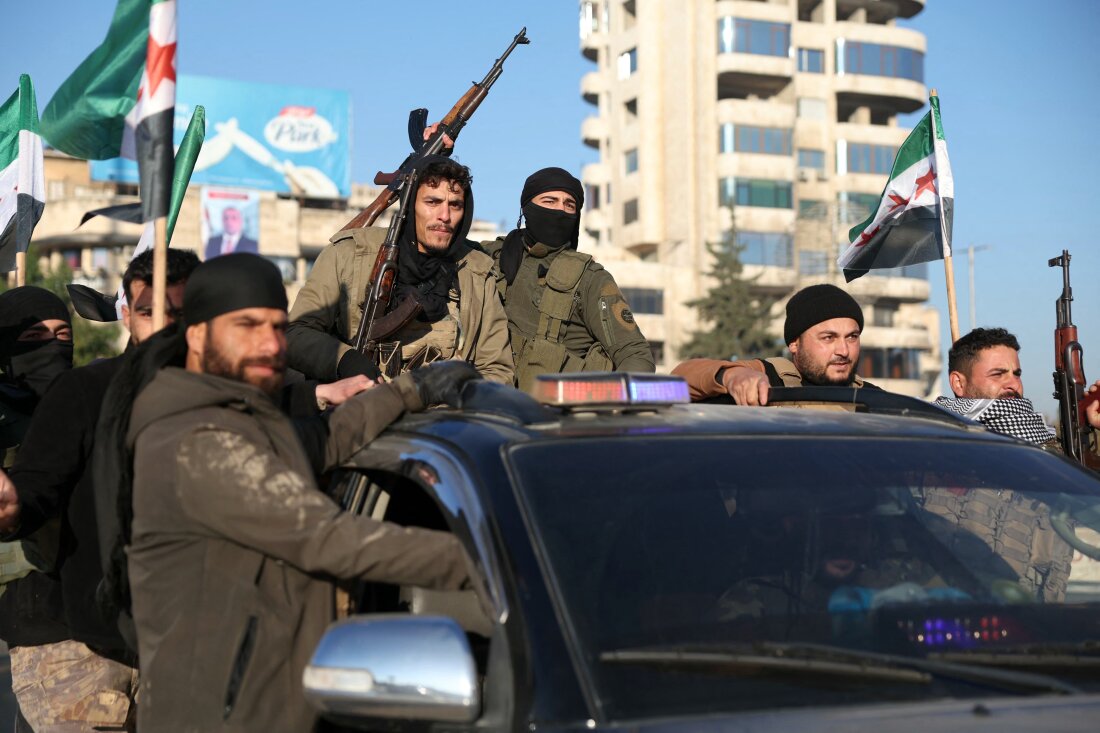
In a bold military operation that has reverberated across the region, Israel has announced the destruction of the Syrian naval fleet. The move follows the recent appointment of Mohammed al-Bashir as Syria’s new interim leader, stepping into the role of temporary prime minister during a tumultuous time for the war-torn nation.
Defence Minister Israel Katz confirmed the operation occurred on Monday night, describing it as a decisive measure within a broader campaign aimed at eliminating strategic threats posed to Israel. Speaking at a naval base in Haifa, Katz underscored the gravity of the situation, declaring, “This operation is a reflection of our commitment to ensuring the security of our nation and its people.”
Eyewitness reports indicate that Israeli naval missile ships engaged efficiently and effectively, targeting several vessels in the Syrian fleet that were deemed potential threats. The operation is part of a long-standing strategy by Israel to preemptively neutralise military capabilities in neighbouring countries, especially those that have exhibited hostile intentions.
As the dust settles on this significant military engagement, the implications for regional stability are immense. Al-Bashir’s ascension to leadership comes in the wake of escalating conflicts, and his response to Israel’s latest actions will undoubtedly be scrutinised both domestically and internationally. The new interim leader’s foreign policy direction could reshape the dynamics in an already volatile region, particularly concerning relations with Israel, an adversary that has consistently targeted Syrian military assets amid ongoing tensions.
The destruction of Syria’s naval fleet raises questions about the future of Syrian military capabilities and the ongoing conflict that has ravaged the country for over a decade. As al-Bashir strives to consolidate power and command authority over Syria’s fragmented political landscape, the impact of Israel’s military campaign cannot be underestimated.
With both countries gearing for what could be a prolonged period of heightened tensions, the international community watches closely, awaiting the next developments in this complex geopolitical chess game in the Middle East.