



The City of Johannesburg says it has managed to cut daily water losses by 90 million litres as part of its ongoing drive to stabilise supply and rebuild public confidence in water services.
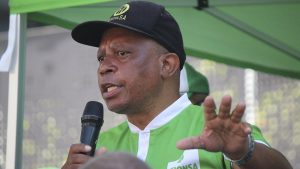
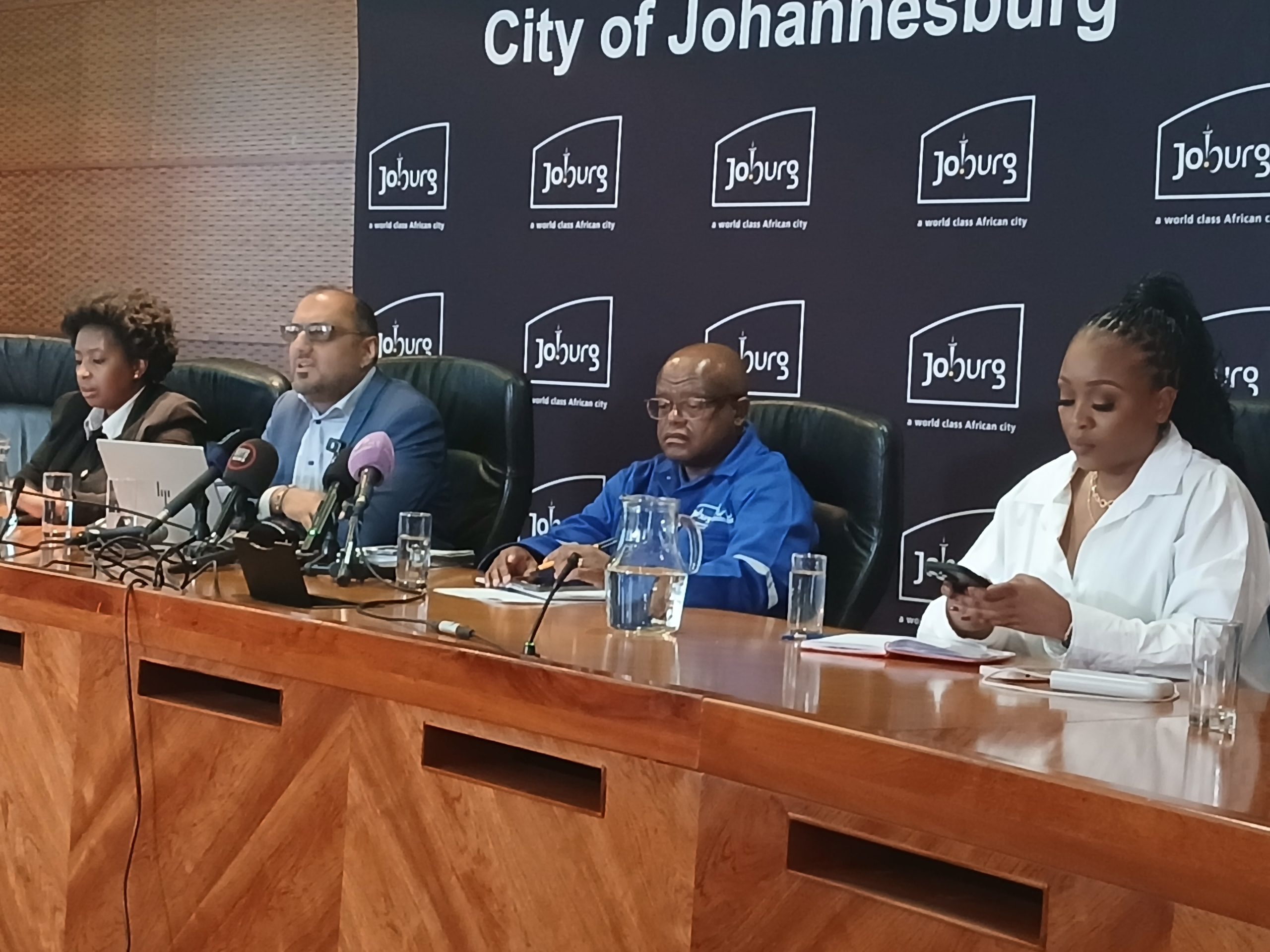
Executive Mayor Dada Morero announced the progress during a media briefing in Newtown on Monday, highlighting the achievements of the Johannesburg Water Turnaround Strategy, a key component of the Presidential Water Governance Intervention.
Morero said the city’s average daily demand has dropped from 1,792 megalitres to 1,702 megalitres thanks to leak detection, pressure management, and public awareness campaigns.
“We are beginning to see tangible results from our efforts to get the basics right — to fix leaks, save water, and strengthen accountability,” he said.
As part of the strategy, Johannesburg Water has been ringfenced as a trading entity to improve financial oversight and efficiency. Since taking over the revenue and billing functions from the City on 1 July 2025, the utility has achieved complete billing for July and August, with accuracy improving to 92 percent.
A new customer management section is also being set up to ensure all billing queries are resolved within 30 days.
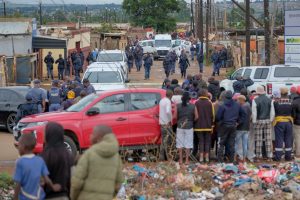
Morero said enforcement actions are under way, with illegal connections disconnected in three informal settlements, while further operations are planned with law enforcement support.
On infrastructure, construction is progressing at Hurst Hill 2, Meadowlands, and Dunkeld Reservoirs, with work at Aeroton set to start next month. Major upgrades at the Olifantsvlei and Bushkoppies wastewater treatment plants are complete, while Goudkoppies is now 95 percent finished.
Over the next financial year, the city will roll out Phase 2 of the Reservoir Rehabilitation Programme, replace 85 kilometres of ageing pipelines and 18 kilometres of sewer lines, and halve sewer blockage response times.
Morero said long-term projects, including new reservoirs and groundwater development with Wits Enterprise, aim to future-proof the city’s water supply.
“We still face challenges, but we are confronting them with urgency and transparency. Our goal is clear — to deliver reliable water, protect this precious resource, and rebuild public trust,” he said.


