


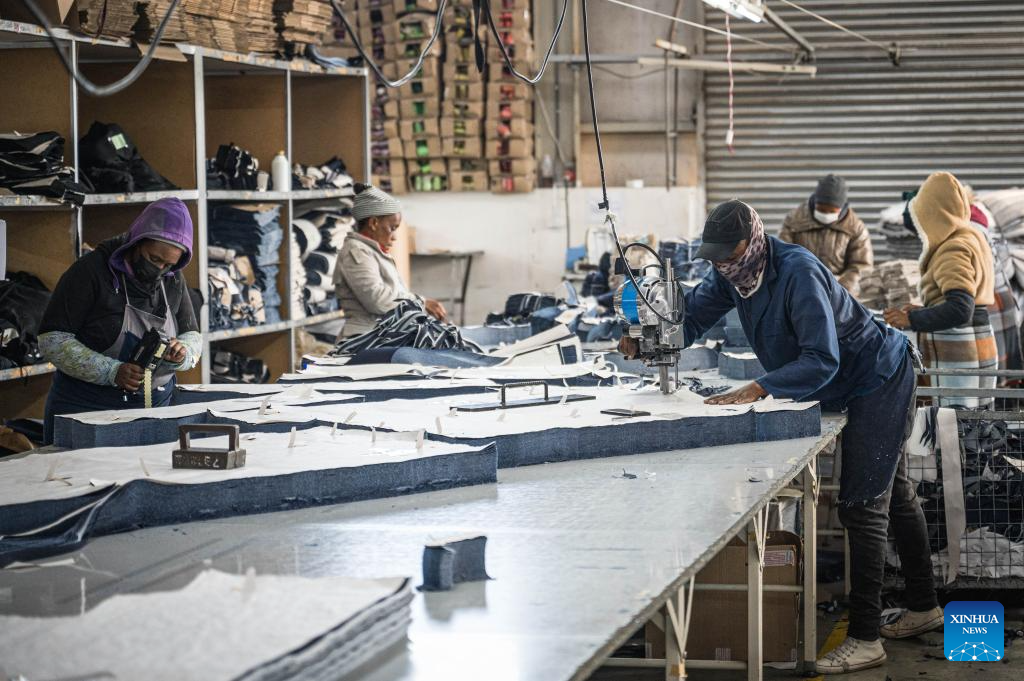
President Donald Trump announced a modified tariff rate of 15% for Lesotho on Thursday, easing the fears of the mountain kingdom that had been facing the threat of a staggering 50% tariff earlier this year. This decision comes as part of an executive order that revises reciprocal tariff rates for several countries, including Lesotho, which has been particularly affected by the US administration’s trade policies.
The Trump administration has justified this higher tariff rate as a reciprocal measure, contending that Lesotho imposes tariffs as high as 99% on American goods. However, officials from Lesotho have expressed confusion, stating that they are unaware of how the White House arrived at such a staggering figure, raising questions about the accuracy of the claim.
The trade landscape has been turbulent since April when the Trump administration first announced the potential for reciprocal tariffs, causing significant uncertainty among US importers. The threat of these high tariffs led many to preemptively cancel orders of textiles produced in Lesotho, which are essential for the country’s economy and employment. As a result, mass layoffs ensued, leaving many locals without hope in an industry that has been a mainstay of their livelihoods.
Teboho Kobeli, the owner of Afri-Expo, a company that manufactures jeans for export, voiced the frustration felt by many in the industry. He remarked, “If we still have these high tariffs, it means we must forget about producing for the U.S. and go as fast as we can… (looking for) other available markets.” His sentiment underscores the urgency for Lesotho to pivot towards alternative markets as uncertainties loom over US trade relations.
The announcement of the 15% tariff is undoubtedly a relief for Lesotho, but the reality of trade negotiations remains fraught with challenges. As countries scramble to secure favourable trading conditions, the impact of high tariffs continues to resonate within Lesotho, an emerging economy heavily reliant on export-driven textiles.