


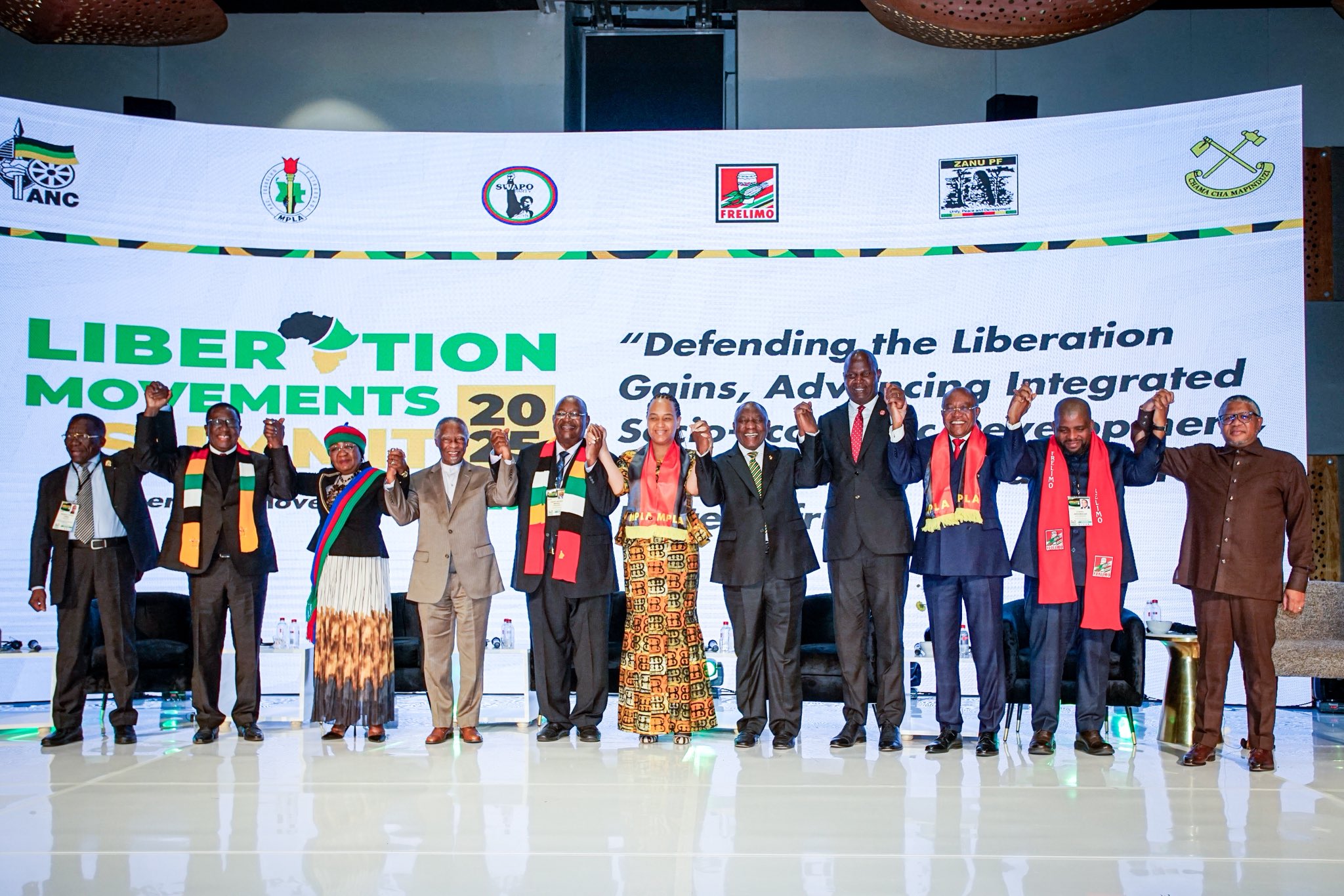
The inaugural Liberation Movements Summit 2025 reached a significant milestone on Sunday, as it brought together various African liberation movements to discuss pressing global issues and reaffirm commitments toward unity and collective development. Convened by the Secretary-General of the African National Congress (ANC), Fikile Mbalula, the summit concluded in Kempton Park with the adoption of a robust Summit Declaration.
Over its three-day span, the summit featured delegates from storied liberation movements including FRELIMO, SWAPO, MPLA, CCM, ZANU PF, along with fraternal parties, all united around the theme: “Defending the Liberation Gains, Advancing Integrated Socio-Economic Development, Strengthening Solidarity for a Better Africa.” The gathering not only commemorated their rich histories but also set a collaborative vision for the future of the continent.
During his report, Mbalula delivered a passionate address highlighting the challenges posed by neocolonialism, foreign interference, and digital imperialism. “We reject all forms of foreign interference and assert our collective right to shape our development on African terms,” he declared.
He called for the liberation movements to embrace solidarity amid ongoing global conflicts and tensions, marking a historical moment as the oldest liberation movement in Africa.
Mbalula’s remarks took a decisive turn as he reaffirmed the ANC’s unwavering support for the African Union’s “Silencing the Guns” initiative, which aims to eradicate violent conflicts through dialogue and collaborative efforts. He positioned the ANC as not only a beacon of hope within South Africa but as a contender for peace globally.
“We have been clear that no durable peace can be built through weapons alone,” he asserted, advocating for diplomatic solutions over militarised approaches, particularly in the context of the ongoing Russia-Ukraine conflict.
Highlighting recent tensions surrounding arms sales, Mbalula addressed concerns regarding Rheinmetall Denel Munition (RDM), a South African firm accused of supplying weapons to conflict zones including Ukraine and Israel. He stated that no South African arms manufacturer shall export arms or ammunition to such theatres of conflict, stressing that this decision is not detrimental to peace in Europe but aims to uphold peace universally.
Concerns voiced by members of Parliament emphasised the implications of RDM’s dealings, particularly with NATO countries, which have raised fears about potential breaches of South African laws prohibiting arms sales to conflict areas. Activists have protested outside RDM’s Boksburg offices, reflecting a broader societal concern regarding accountability and the responsible governance of arms trade.
The summit echoed these sentiments, receiving supportive messages from various diplomatic missions and political parties across the globe, including the Republic of Cuba and the Communist Parties of China and Russia. As the liberation movements come together, the overarching aim remains clear: to push back against counter-revolutionary forces and nurture a vision rooted in justice and economic development for all Africans.
Politically, the summit came at a time when Ukraine’s assertive policies have raised alarms among African nations concerned about destabilisation in their regions, with accusations of Ukrainian involvement in supporting armed groups compounding worries. These geopolitical tensions underscore the necessity for African unity in the face of external pressures.
As the Liberation Movements Summit closes its first chapter, it leaves an indelible mark on the memory of those committed to advancing African sovereignty and solidarity in turbulent times