


The South African manufacturing sector displayed signs of resilience in June 2025, as production figures reported an increase of 1.9% compared to the same month the previous year. This growth, while modest, indicates a continuation of an upward trend following a slight rise of 0.5% in May 2025, as announced by StatsSA on Monday.
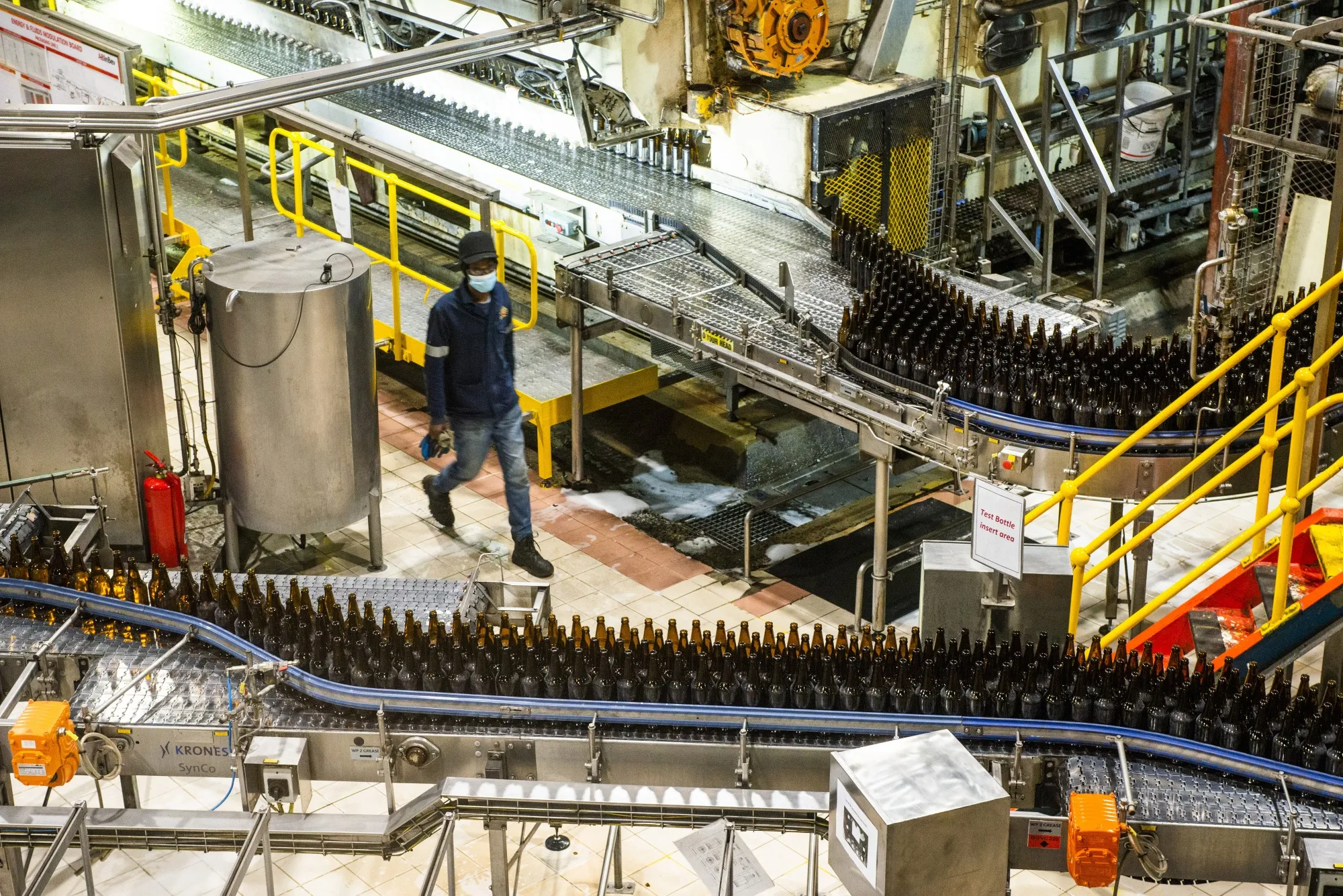
The bulk of this growth can be attributed to the food and beverages division, which alone contributed 1.4 percentage points to the overall increase. This segment of the manufacturing economy appears to be a pivotal player in bolstering the sector’s performance. Following closely was the petroleum, chemical products, rubber and plastic products division, which added 0.4 percentage points to the total growth. These figures signal a steadying of demand within these key areas of manufacturing, suggesting a potential recovery in consumer behaviour.
However, month-over-month comparisons tell a slightly different story, with manufacturing production remaining flat in June 2025 when set against May 2025. This stagnation contrasts with a more encouraging growth rate of 2.2% recorded in May and 1.6% in April, highlighting the fluctuating nature of the sector’s performance. Such variations could be indicative of underlying economic challenges that continue to affect production capacities and operational efficiencies.
On the sales front, the numbers painted a more positive outlook. Manufacturing sales surged by 2.4% in June compared to the previous month. This growth was primarily driven by the same food and beverages division, which contributed a significant 0.8 percentage points. Additionally, the motor vehicles, parts, accessories, and other transport equipment division also played a crucial role, contributing another 0.8 percentage points to the overall growth in sales.
While the stability seen in the manufacturing production figures raises questions about the sector’s long-term trajectory, the growth in sales offers a glimmer of optimism. Industry experts will be keenly observing these trends as they evaluate the factors influencing production dynamics and consumer demand in the coming months.