


The recent escalation of hostilities in the Middle East poses a significant challenge for the South African Reserve Bank (SARB) as it contemplates its monetary policy strategies in the coming months. Following a decision last month to reduce the policy rate by 25 basis points to 7.25% per annum, the SARB may now have to reconsider its path towards potential cuts, particularly with oil prices reaching a three-month high. This shift comes amid growing concern over the implications of rising crude costs on both global and domestic inflation projections.As backdrop, the SARB had previously revised down its inflation forecasts, citing consumer prices remaining well within the lower band of the targeted 3-6% range, currently at 2.8%.
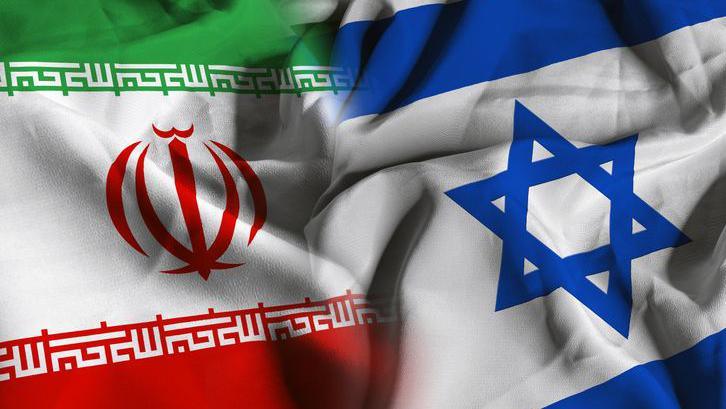
The bank attributed this improvement to a robust exchange rate assumption and a decline in global oil prices, which had offset inflationary pressures despite the fuel levy hikes introduced in the recent national Budget.However, the dynamics shifted dramatically following recent military actions in the Middle East. Brent crude oil prices surged by as much as 13% on Friday, reaching an intraday high of $78 per barrel, and settling near $75 per barrel by Monday. This spike marked the highest price since early April, driven by an intensification of hostility between Israel and Iran.Israel launched a significant air raid targeting Iranian nuclear and military facilities, causing a ripple effect throughout global markets—stocks and currencies fell, while precious commodities such as gold and oil soared in response.
Analysts voiced increasing apprehensions regarding the potential disruption of supplies through the strategic Strait of Hormuz, a crucial chokepoint that allows the passage of approximately 20% of the world’s oil consumption.
Wichard Cilliers, director at TreasuryONE, emphasised the urgent nature of the situation, stating, “The move erased year-to-date losses and revived concerns about global energy supplies.” He noted that although OPEC+ possesses spare capacity to counteract potential disruptions, the risk of retaliation from Iran complicates the broader geopolitical landscape. In response to escalating tensions, the International Energy Agency expressed its readiness to release emergency oil stockpiles if required.
The CEO of deVere Group, Nigel Green, highlighted the severity of the recent confrontations, suggesting they mark a decisive shift from proxy warfare to direct conflicts between states. He cautioned that the risks to global energy markets were intensifying, warning, “Even the threat of closure or interference would likely push oil well beyond $100 per barrel, reigniting inflation and altering the current trajectory of interest rate policy in developed economies.”As the situation in the Middle East unfolds, the market remains on high alert, particularly with the upcoming Federal Reserve meeting signals pointing towards a potential 25 basis point cut slated for September. Nedbank economist Busisiwe Nkonki remarked, “The Federal Reserve is expected to hold its interest rate steady at 4.5% during this meeting,” underlining the importance of the policy stance of major economies in relation to SARB’s strategies moving forward.
While immediate impacts on oil supply have remained limited, the elevation of geopolitical risks casts doubt on the SARB’s plans to pursue further interest rate cuts in July. Investors are grappling with a rapidly shifting landscape as a result of these external pressures. The outlook for inflation and interest rates hangs in a delicate balance, tethered to developments in the volatile regional conflict.