


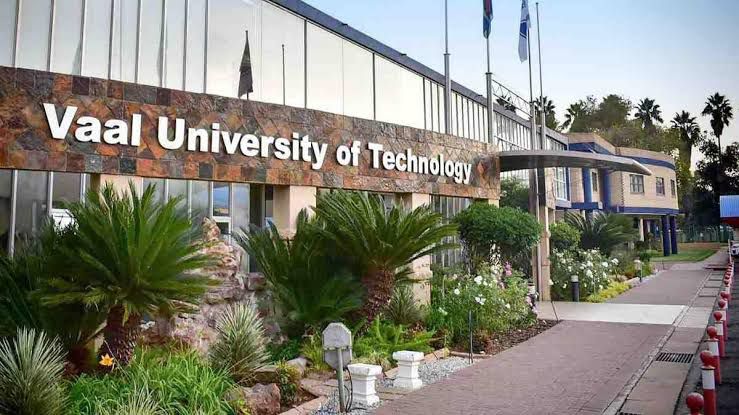
Higher Education, Science and Innovation Deputy Minister Buti Manamela has instructed the Chairperson of the Vaal University of Technology (VUT) Council to submit a preliminary report by Friday, 5 December 2025, following serious allegations of a degree-selling syndicate operating at the institution.
The allegations, which centre on fraudulent qualifications in B.Tech programmes in Marketing and Business Management, primarily involve Congolese nationals – including students who have already graduated. According to the Minister, a whistleblower first raised concerns about senior management’s complicity more than a year ago, yet the university failed to take decisive action against those implicated.
“It is unacceptable for allegations of this magnitude – which threaten the integrity of our National Qualifications Framework – to be met with administrative delays,” Manamela said in a strongly worded statement. “If management was aware of these claims a year ago, simply ‘investigating’ is no longer sufficient. We need to know why the alleged perpetrators were allowed to remain in the system and potentially compromise the 2026 intake.”
The Minister has demanded clear answers on three critical issues:
- The reasons for the alleged 12-month delay in responding to the whistleblower’s report;
- Evidence that active “consequence management” is being applied to those implicated; and
- Immediate measures to protect the 2026 registration process from further manipulation.
Manamela warned that the sale of academic qualifications constitutes a criminal offence and stated that, should VUT’s internal processes prove inadequate, the Department will refer the matter to the Directorate for Priority Crime Investigation (Hawks) without hesitation.
VUT has acknowledged the gravity of the allegations and confirmed that an internal investigation is underway, supported by broader fraud and corruption probes being conducted by the Special Investigating Unit (SIU). The university says it has already introduced enhanced verification controls and governance reforms to close identified vulnerabilities.
The scandal, which reportedly dates back to at least 2018, has sparked widespread public concern and heated debate on social media, with many questioning the oversight of foreign student admissions and calling for swift accountability to safeguard the credibility of South African higher education qualifications.

