


The world is watching as the Roman Catholic Church begins the intricate process of selecting a new pope following the death of Pope Francis, who led the church for 12 impactful years. Pope Francis, the 266th pontiff, passed away on April 21, Easter Monday, after a prolonged respiratory illness, leaving behind a legacy shaped by compassion, reform, and global outreach.
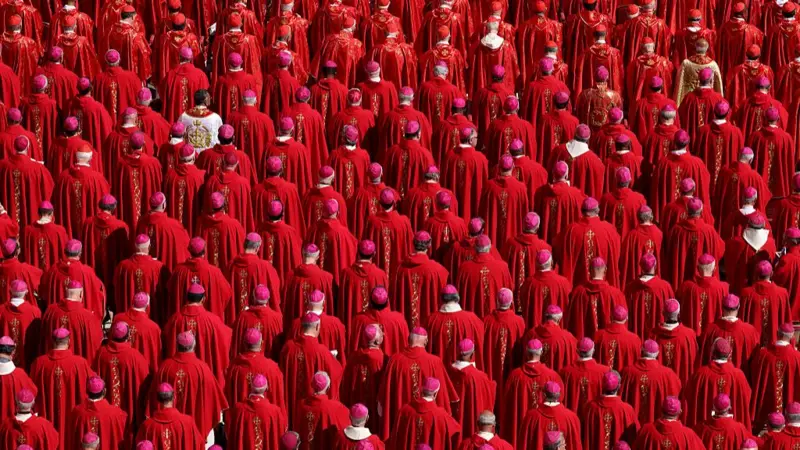
As the Catholic faith’s estimated 1.4 billion followers ponder the future of their church, attention turns to the conclave, a tradition steeped in history and secrecy where the College of Cardinals will gather in the Vatican’s iconic Sistine Chapel. This age-old ritual, which means “with key” in Latin, seals the cardinals away from outside influences as they embark on the solemn task of selecting a successor.
The process is anticipated to commence between May 6 and May 11, following the customary waiting period of 15 to 20 days post a pope’s passing. Of the 252 cardinals in the church, 135 will be eligible to cast votes as only those under the age of 80 qualify as electors. This gathering closely follows the uneventful resignation of Pope Benedict XVI, who became the first pope in nearly 600 years to step down from the papacy due to age and health concerns. His resignation previously led to the historic election of Pope Francis in 2013, showcasing how transitions within the papacy can have lasting implications.
The conclave’s solemn rituals
The conclave brings an air of sacred mystery, beginning with a mass in St. Peter’s Basilica, followed by an assembly behind the locked doors of the Sistine Chapel. For the duration of this election process, cardinals are deprived of any contact with the outside world, ensuring that media and public influence does not cloud their decisions. They communicate their votes discreetly via handwritten slips of paper, with the threshold for election set at a two-thirds majority.
While the conclave may last for an indeterminate period, the longest in modern history unfolded over five days in 1903, illustrating both the complexity and debate that often accompany such a significant decision. Conversely, the last conclave in 2013 was notably swift, with the election of Bergoglio taking just 28 hours, marking a historic moment as he became the first pope from the Americas.
Throughout the process, participants pray and engage in deep reflection, with each voting round culminating in a dramatic display in St. Peter’s Square. As the tallies are burned, the public awaits the iconic signals of black smoke, indicating that no decision has been reached, or the celebrated white smoke, heralding the arrival of a new pope. The moment when the words “Habemus papam” are proclaimed from the Loggia delle Benedizioni is awaited with bated breath by Catholics and the world alike.
Looking to the future
As discussions commence regarding potential candidates to succeed this beloved pope, speculation swirls around the characteristics and leadership qualities that the next pontiff should embody. The coming days will not only shape the immediate future of the Catholic Church but will also influence its direction for years to come, making each church leader’s vote all the more consequential.