


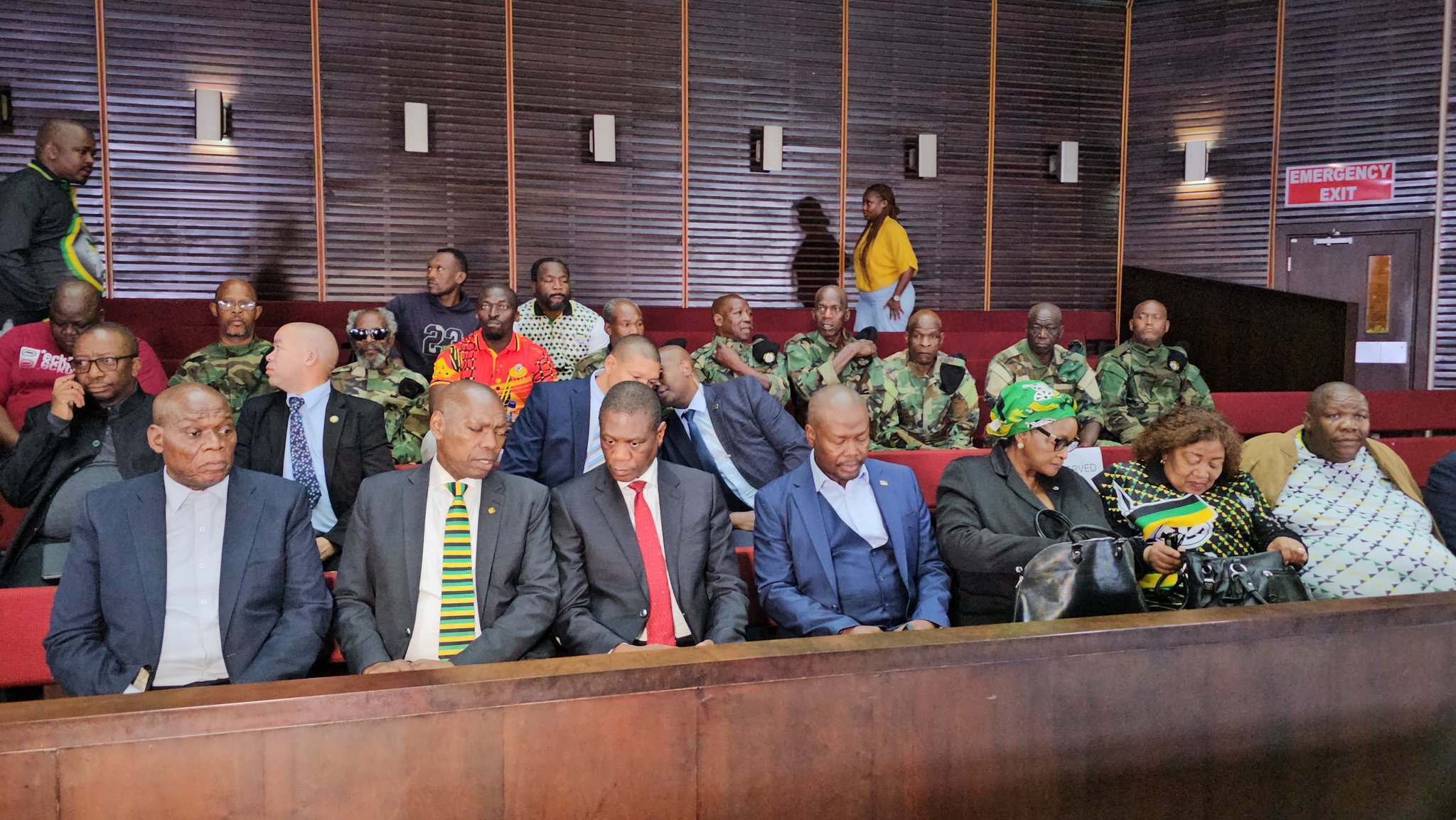
In a courtroom revisiting the mysterious death of revered ANC leader and Nobel laureate Albert Luthuli, shocking new evidence has emerged which challenges the long-held narrative of his fatal accident in 1967. Testimonies presented during the reopened inquest at the Pietermaritzburg High Court suggest Luthuli may not have died as a result of being struck by a train, as previously concluded.
Pictures shown to the court depicted Luthuli’s body dressed in formal attire and appeared intact, contrary to what one might expect from an individual fatally injured by a train. These images served not only as a poignant reminder of the man who fought tirelessly against apartheid but also as critical evidence undermining the initial investigation that ruled his death as accidental.
“I see an individual in a casket whose body is intact; there are no missing limbs or any dismembered parts,” testified Thulani Thusi, a heritage educator at the museum named after Luthuli. The images prompted questions about the legitimacy of the findings, with NPA evidence leader Advocate Annah Chuene highlighting the absence of facial scars or injuries typically associated with such catastrophic incidents.
According to the original inquest findings from September 21, 1967, Luthuli died after being struck by a steam goods train on the Mvoti railway bridge. However, police officers and medical experts who testified in the current proceedings refuted this claim. They argue that the nature of Luthuli’s injuries indicates an assault rather than an accidental death.
Dr Sibusiso Johannes Nsele, a forensic pathologist from the KwaZulu-Natal Department of Health, presented substantial new insights, suggesting that Luthuli had been attacked with a blunt object prior to being placed on the tracks. “The injuries on his arms indicate that he was trying to protect himself from his attackers,” he explained. Nsele hypothesised that Luthuli lost consciousness during the assault, leading the assailants to transport him to the railway bridge to create the false impression of a train accident.
The funeral for Inkosi Albert Luthuli, held on July 30, 1967, was a monumental event attended by over 7,000 people from diverse backgrounds, marking a significant moment of unity under the apartheid regime’s oppressive rule. Thusi referenced a newspaper description of the day that painted it as “a theatre for defiance and political dynamism”.
The NPA’s objective in reopening Luthuli’s inquest is to expose potential collusion among various authorities, including the police, pathologists, and the magistrate presiding over the original hearing, in an apparent attempt to conceal the truth surrounding his death.
Initially set to span between April 14 and May 16, the reopened inquest has faced significant delays, with court proceedings hindered by the busy schedules of presiding officials. As of yesterday, the hearings were postponed yet again due to the absence of a key witness, leaving further investigations into Luthuli’s death uncertain.