


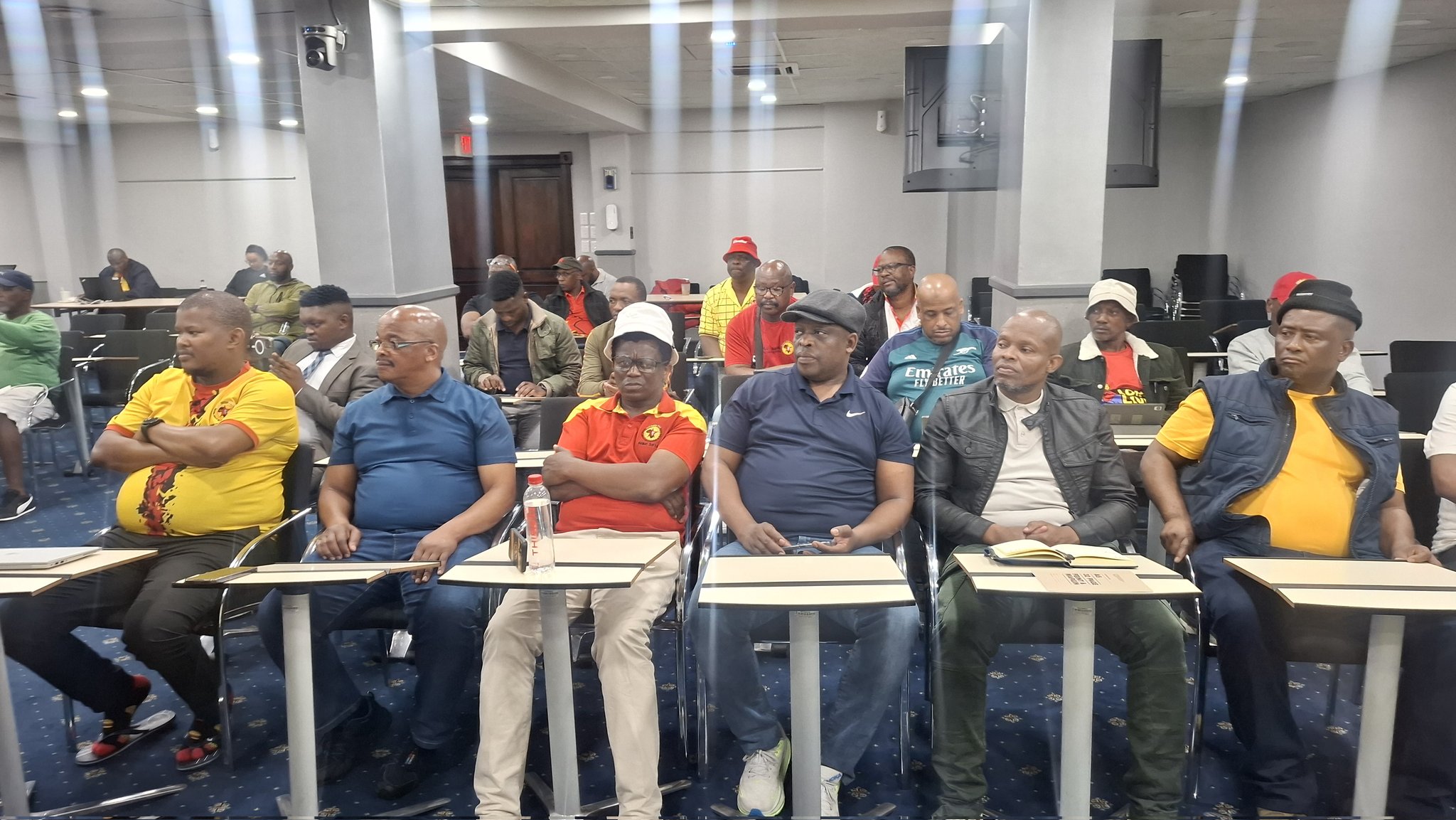
A major strike could soon disrupt South Africa’s automotive manufacturing industry as the National Union of Metalworkers of South Africa (Numsa) confirmed it has secured a strike certificate following a wage negotiation deadlock with major car manufacturers.
The union rejected the Automobile Manufacturers Employers Organisation (AMEO)’s latest offer of a 7% increase in the first year, followed by 5.5% increases in the second and third years of a multi-year wage deal. Numsa had initially demanded a 9% across-the-board raise.
At a media briefing in Johannesburg, Numsa General Secretary Irvin Jim said the union was willing to compromise on the first year’s increase but not the subsequent years.
“We can live with 7% in the first year, but we reject 5.5% for the next two years. Employers must come back with 7%, 6%, 6%. It’s irresponsible for them to risk a nationwide strike over just 1%,” said Jim.
The looming industrial action threatens production at major original equipment manufacturers (OEMs) — including Toyota, Volkswagen SA, BMW SA, and Mercedes-Benz South Africa — all represented by AMEO. The sector employs more than 30,000 workers and contributes billions to the South African economy through exports and domestic vehicle sales.
Numsa also challenged the automotive companies to disclose their financial performance, particularly how much they have benefited from government incentives such as the Automotive Investment Scheme (AIS) and the Volume Assembly Localization Allowance (VALA).
“We want transparency. These companies benefit from public incentives, yet they cry poor when workers demand fair increases,” Jim said.
The union further called on National Treasury to investigate allegations of non-compliance in the private security sector, where some employers are accused of deducting funds for medical aid and pensions without remitting them to service providers.
Numsa said it was prepared to activate the strike certificate if employers do not improve their offer, warning that the auto sector cannot afford disruptions just months before year-end production cycles conclude.
“A 1% difference should not hold an entire industry hostage. The auto sector has recovered strongly post-pandemic — workers deserve their fair share,” Jim added.