

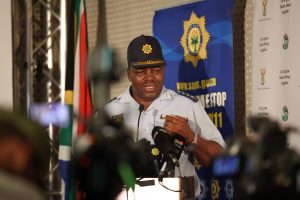


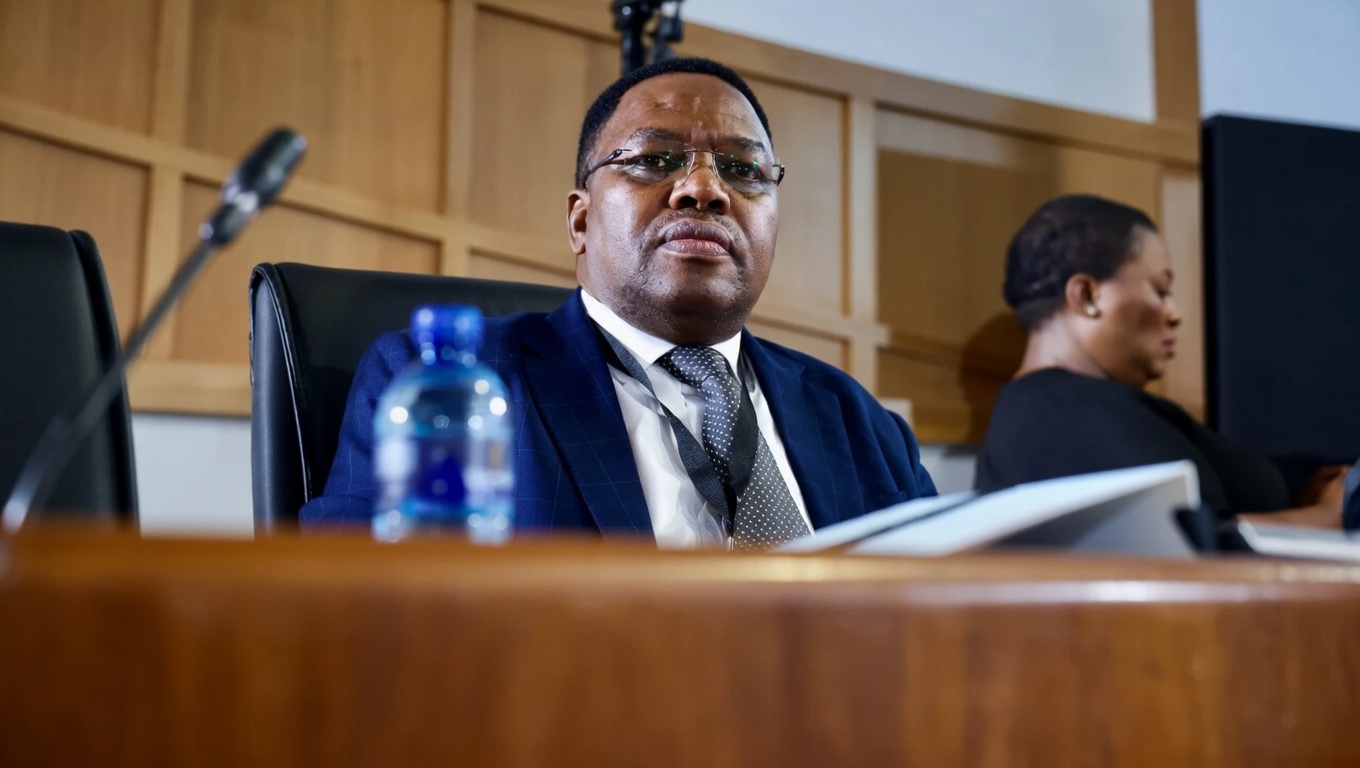
President Cyril Ramaphosa has formally acknowledged the National Prosecuting Authority’s (NPA) decision to charge Police Commissioner Fannie Masemola in connection with the irregular awarding of a multi-million-rand tender to Medicare 24, a company owned by controversial businessman Vusumuzi ‘Cat’ Matlala, who is already facing criminal charges. Masemola is expected to appear in court soon, becoming the most senior police official implicated in the scandal.
The investigation into the tender irregularities began in 2024 and has so far led to the arrest of 16 police officials. Of these, 15 appeared before the Pretoria Magistrates’ Court on Wednesday and were granted bail ranging from R40,000 to R80,000. Authorities have emphasised that the probe is ongoing, signaling a continued focus on rooting out corruption within the police service.
Initially, Masemola publicly distanced himself from any wrongdoing related to the tender, but the charges mark a significant escalation in the case. The Presidency has confirmed that President Ramaphosa will address the matter in accordance with the law, underscoring the government’s commitment to accountability and transparency in public service.
Police spokesperson Athlenda Mathe stated that Masemola is fully cooperating with the investigation. “General Fannie Masemola remains committed to upholding the rule of law and the integrity of the office he serves. He has taken note of the charges against him and has pledged full cooperation with all lawful processes that seek to address wrongdoing. This is the necessary course to restore public confidence in our institution,” Mathe said.
Observers note that the case highlights ongoing concerns about corruption in the awarding of government contracts, particularly within the police service. The involvement of a senior officer like Masemola sends a strong signal that authorities are willing to pursue accountability at all levels, including the highest-ranking officials.
The outcome of the court proceedings is expected to influence public trust in law enforcement and could have broader implications for government oversight of procurement processes. Analysts also believe the case may encourage further investigations into other irregular contracts linked to state departments.


