


Pope Leo XIV has expressed his deep sadness over the tragic loss of life caused by a powerful earthquake that struck Afghanistan, claiming over 800 lives and injuring at least 2,800 people in its aftermath. The pontiff, through Cardinal Pietro Parolin, the Vatican’s secretary of state, extended his “fervent prayers for the souls of the deceased, for the injured and for those still missing.” The Pope’s heartfelt solidarity is particularly directed towards those grieving the loss of loved ones, as well as the emergency personnel and civil authorities involved in ongoing rescue and recovery efforts.
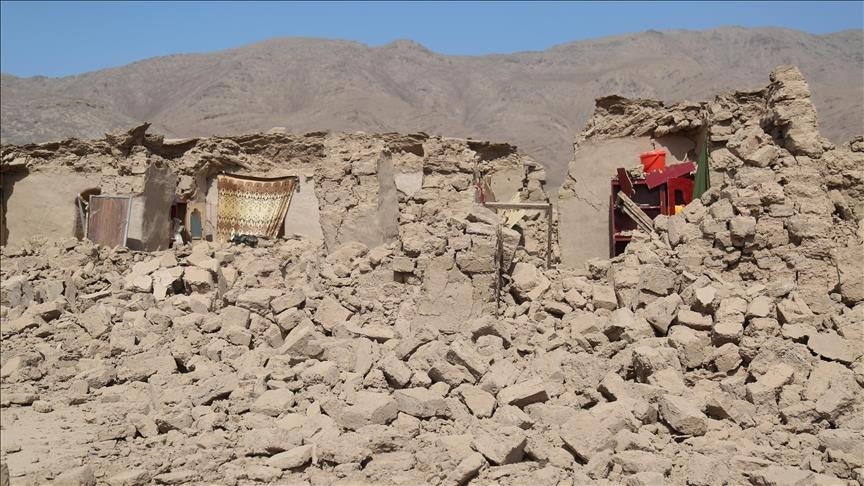
The earthquake, measured at a magnitude of 6.0, hit the northeastern province of Kunar near the Pakistan border just after midnight local time on Sunday. The tremor, striking at a shallow depth of 8km, has reportedly left several villages in ruins, displacing families and trapping many under the rubble. With rescue efforts still underway, it has been reported that over 200,000 individuals in the affected area felt the intense ground shaking.
Dr Brian Baptie, a seismologist at the British Geological Survey, highlighted the severe impact of the quake, noting that many buildings in the region are made from adobe blocks and unreinforced brick, rendering them vulnerable to such seismic activity. As rescue efforts continue, the region has experienced multiple aftershocks, some exceeding a magnitude of 5. These aftershocks could exacerbate the damage, particularly to buildings already weakened by the primary tremor.
Ali Latifi, a journalist based in Kabul, painted a grim picture of the situation on the ground. In interviews, he conveyed how many residents are forced to dig their loved ones out from the rubble before transporting them to healthcare facilities, often enduring perilous journeys over unpaved, treacherous roads at night. Latifi emphasised the dire circumstances in rural areas, where outdated infrastructure and a lack of resources hinder crucial rescue operations. He urged the international community to set aside political differences and provide urgent assistance to those affected by the natural disaster.
From a personal perspective, accounts from survivors further illustrate the devastation. Sadiqullah, who lost his wife and two sons in the earthquake, described the harrowing experience of being trapped as the building collapsed around him, only to be rescued hours later. His tragic story is just one of many in a region already reeling from previous seismic events and compounded crises like drought and mass displacement.
The situation is made more precarious due to ongoing issues surrounding emergency aid delivery in Afghanistan. Charity organisations, including Oxfam, have reported severe challenges in providing assistance, largely due to the country’s deteriorating humanitarian environment under the current Taliban governing regime.
As the global community grapples with the aftermath of this devastating earthquake, appeals for support are growing louder. The United Nations and various organisations have mobilised teams to provide life-saving support and assess urgent health needs. The urgent calls for assistance highlight a “perfect storm” of human suffering, requiring an immediate international response to alleviate the crisis faced by countless families.
*Additional reporting from Sky news