


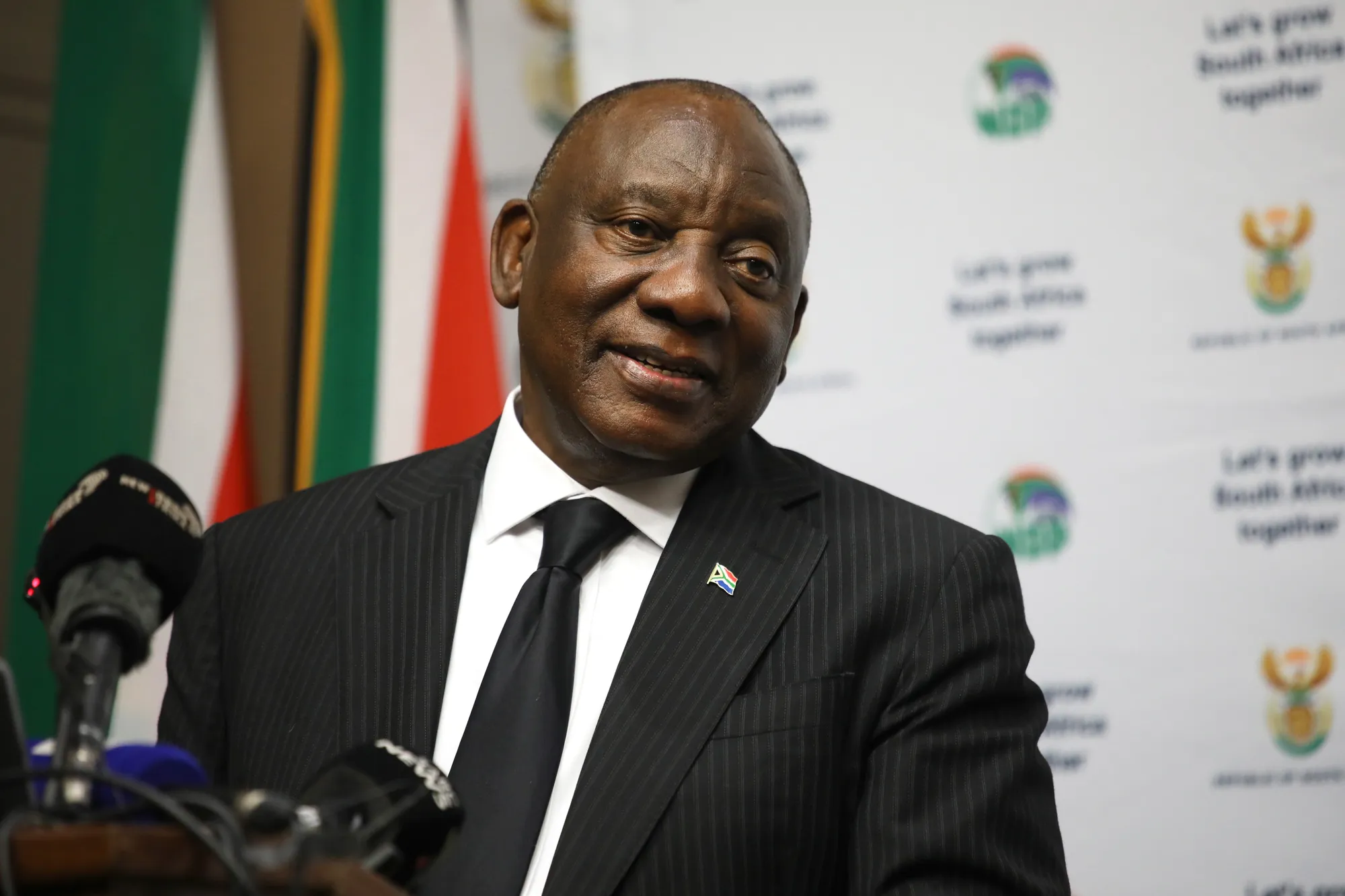
President Cyril Ramaphosa has officially signed the Expropriation Bill into law, a move aimed at addressing the country’s pervasive issues of land inequality. The landmark legislation seeks to provide a clear framework for the expropriation of land without compensation, marking a significant shift in policy that follows decades of struggle over land ownership in the post-apartheid era.
Vincent Magwenya, the spokesperson for the Presidency, stated that the bill has undergone a rigorous five-year process of public consultation and parliamentary deliberations, aligning the legislation on expropriation with the provisions set forth in the Constitution. “Section 25 of the Constitution recognises expropriation as an essential mechanism for the state to acquire someone’s property for a public purpose or in the public interest, subject to just and equitable compensation being paid,” Magwenya explained.
The previous framework—the Expropriation Act of 1975—predated the modern constitutional guarantees, and critics have condemned this gap as a severe impediment to equitable land reform. The Expropriation Bill aims to remedy this by articulating the conditions under which land may be expropriated without compensation, a contentious issue that has sparked heated debate across the political spectrum.
Opposition parties, notably the Democratic Alliance (DA) and Freedom Front Plus, have vocally opposed the passage of the bill, pledging to challenge its constitutionality in the courts. DA spokesperson Tim Brauteseth stated, “This bill amounts to nothing more than introducing expropriation without compensation through the legislative backdoor.”
In a similar vein, ActionSA has indicated intentions to pursue legal action, claiming the legislation exemplifies the ANC’s “relentless push for destructive policies.” Meanwhile, the Inkatha Freedom Party (IFP) has taken a supportive stance but argues that landowners should still receive compensation when their land is deemed for expropriation. Contrastingly, the GOOD Party praised the signing of the Expropriation Bill, highlighting the longstanding issue of land dispossession as an unresolved grievance from apartheid.
The GOOD Party articulated that “land dispossession, the original sin, has been so inadequately addressed by land reform policies since the demise of apartheid,” emphasising a pressing need for tools and political will to correct historical injustices. They argued that “expropriating land in appropriate circumstances is one of the tools at government’s disposal to accelerate land reform.” This contention is not unfounded; the Constitutional Court has previously established that land can be expropriated without compensation under just and equitable circumstances.
In a notable 2002 ruling, the Constitutional Court affirmed the state’s ability to legislate for the deprivation of property for the broader public interest. Proponents of the Bill assert that this new legislation clarifies and solidifies the circumstances under which “nil compensation” would be deemed just and equitable, countering claims by opponents who perceive it as a radical measure against landowners.