




In the intricate arena of global politics, few figures are as polarising as U.S. President Donald Trump, a leader who exudes unpredictability. For South African President Cyril Ramaphosa, the stakes have never been higher. Ramaphosa, already navigating the tumult of a fractious coalition and a stagnant economy, now faces an additional, debilitating challenge: Trump’s hefty tariffs on South African goods.
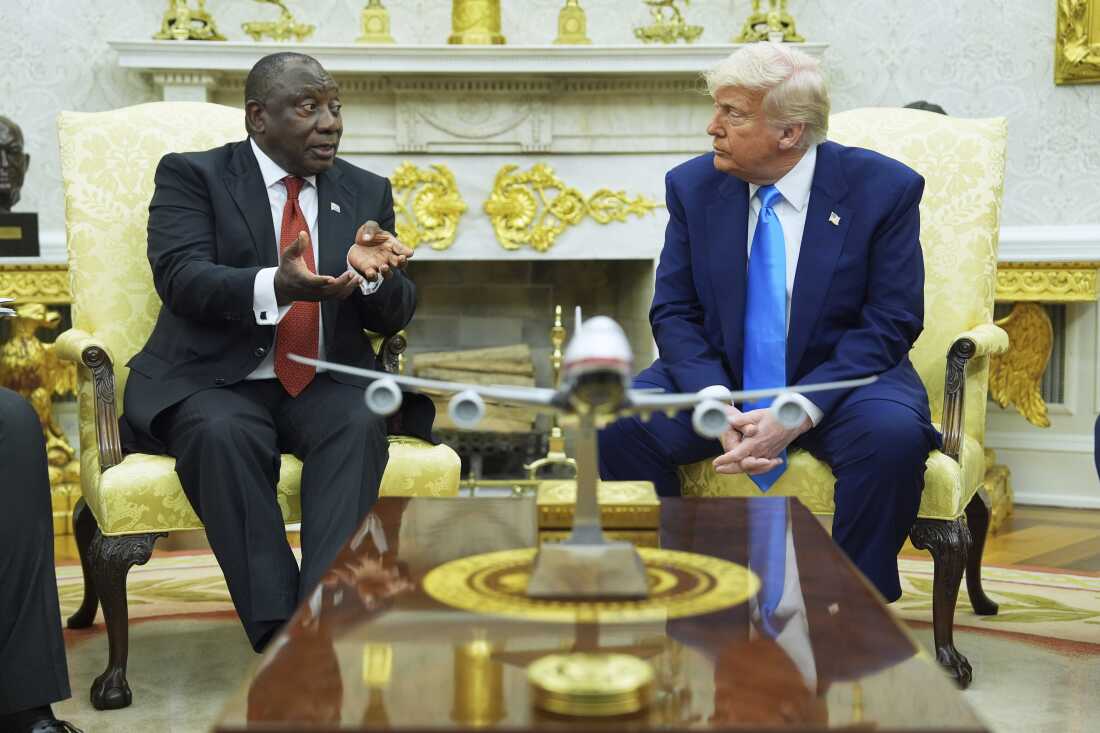
With 30% tariffs on many items that South Africa exports to the United States, the highest in sub-Saharan Africa, Ramaphosa’s reputation as a master negotiator is being put to the test. The stark reality is that Trump has publicly berated Ramaphosa in Oval Office meetings, leaving him seemingly powerless to sway American negotiators who have dismissed South Africa’s trade offers. As political rivals criticise the African National Congress (ANC) administration for its handling of international relations, the pressure is mounting on Ramaphosa to deliver tangible results amid these escalating tensions.
Ramaphosa has attempted to maintain a civil relationship with Trump, adopting a stance of diplomacy in stark contrast to Brazilian President Luiz Inácio Lula da Silva, who has defiantly confronted the U.S. leader. While Lula has enjoyed a boost in popularity following his confrontations, Ramaphosa and his ANC-led government have been accused of incompetence back home, compounding the challenges he faces. Despite being in the hot seat, Ramaphosa is caught in a political quagmire not of his own making, yet the repercussions of Trump’s trade decisions reverberate through South African society, hitting far too close to home.
The ANC’s long-standing relationship with nations like Russia and Iran has come under scrutiny, particularly with South Africa’s international court case against Israel igniting tensions with U.S. politicians. Caught between these allegiances, Ramaphosa is actively seeking new trade partnerships across Africa and Asia. Yet, the stark truth remains: Africa’s market is generally populated with goods that don’t align with the premium items the U.S. buyers seek, such as top-grade oranges and vehicles. Establishing access to more lucrative Asian markets will require years of negotiation, a luxury that time may not afford him.
What enhances the complexity of Ramaphosa’s predicament is the profound economic disparity within South Africa. The president cannot simply abolish the Black economic empowerment policies that critics in the U.S. perceive as racial discrimination. Furthermore, countering accusations of orchestrating a ‘genocide’ against white farmers presents an insurmountable communicative challenge, especially considering the falsehood embedded within such claims. Nevertheless, the stakes remain high: tens of thousands of South African jobs hang in the balance and many citizens await explanations that Ramaphosa struggles to provide.


