


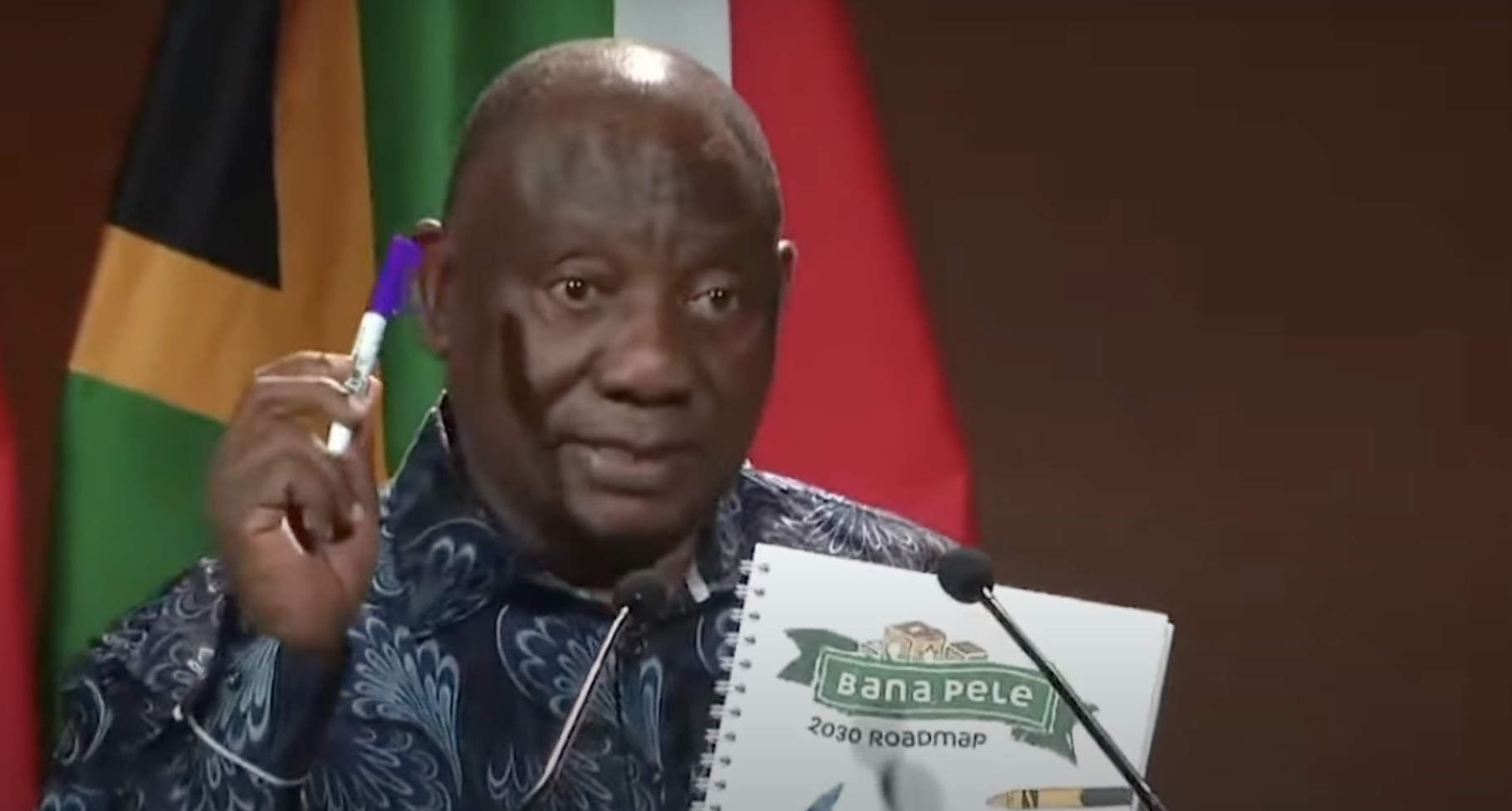
During the Bana Pele 2030 Roadmap leadership summit held in Johannesburg, President Cyril Ramaphosa underscored the urgent need for a collaborative framework for early childhood development (ECD) in South Africa. He proposed a united effort encompassing government, business, donors, ECD workers, and all social partners to improve access to quality early childhood education.
In his address, Ramaphosa articulated the significant role of early childhood education in shaping the nation’s future. “Investing in ECD is about crafting the next generation of skilled, capable, and entrepreneurial citizens who will drive our economy forward,” he stated, emphasising that such investments are not simply desirable but essential for breaking the cycle of poverty that can persist across generations.
Highlighting the transformative effects of quality ECD, the President noted, “Children who receive a strong start are more likely to succeed in school and the workforce, thereby reducing societal costs in healthcare, crime prevention, and welfare.” This call for action resonates deeply as South Africa grapples with socio-economic challenges that stifle the potential of its youth.
Last week, Finance Minister Enoch Godongwana announced an additional investment of R10-billion in the ECD sector over the next three years, an indication of the government’s commitment to this vital area of development. “We welcome this wonderful initiative for business, civil society, and government to work together to shape the future of ECD,” he said, noting that such collaboration is pivotal for the basic education sector’s strategic reorientation towards strengthening foundation learning.
Godongwana also discussed the broader implications of universal access to ECD, noting that it empowers families to transcend the impacts of poverty. The initiative stressed the significance of ECD during a child’s formative years, which are critical for cognitive and emotional growth.
Ramaphosa elaborated on the holistic approach necessary for effective ECD, which involves not just education but also nutrition, healthcare, and fostering safe environments for children. “By focusing on comprehensive early childhood care and education, we can mitigate the disadvantages faced by many children due to poverty and lack of resources,” he asserted.
Investing in ECD not only benefits individual children but also generates significant economic return, Ramaphosa pointed out, citing studies indicating that every rand spent on early childhood education could save up to seven rands in future costs associated with educational and social services. “The ripple effects of a robust ECD system are felt across generations, fostering a cycle of opportunity and growth,” he noted, highlighting the need for all children, regardless of their background or location, to have access to quality early education.
This vision is further supported by initiatives like the Bana Pele Mass Registration Drive launched last year, aimed at ensuring ECD programmes register with the Department of Basic Education, thus guaranteeing that every child receives the essential start in life they deserve.
Ramaphosa reiterated the potential for a transformative shift in the ECD landscape: “We have an opportunity to rethink and restructure the entire ECD framework, making it more effective, inclusive, and impactful than ever before. Our collective goal? Access to quality learning opportunities for an additional 1.3 million children by the year 2030.”