


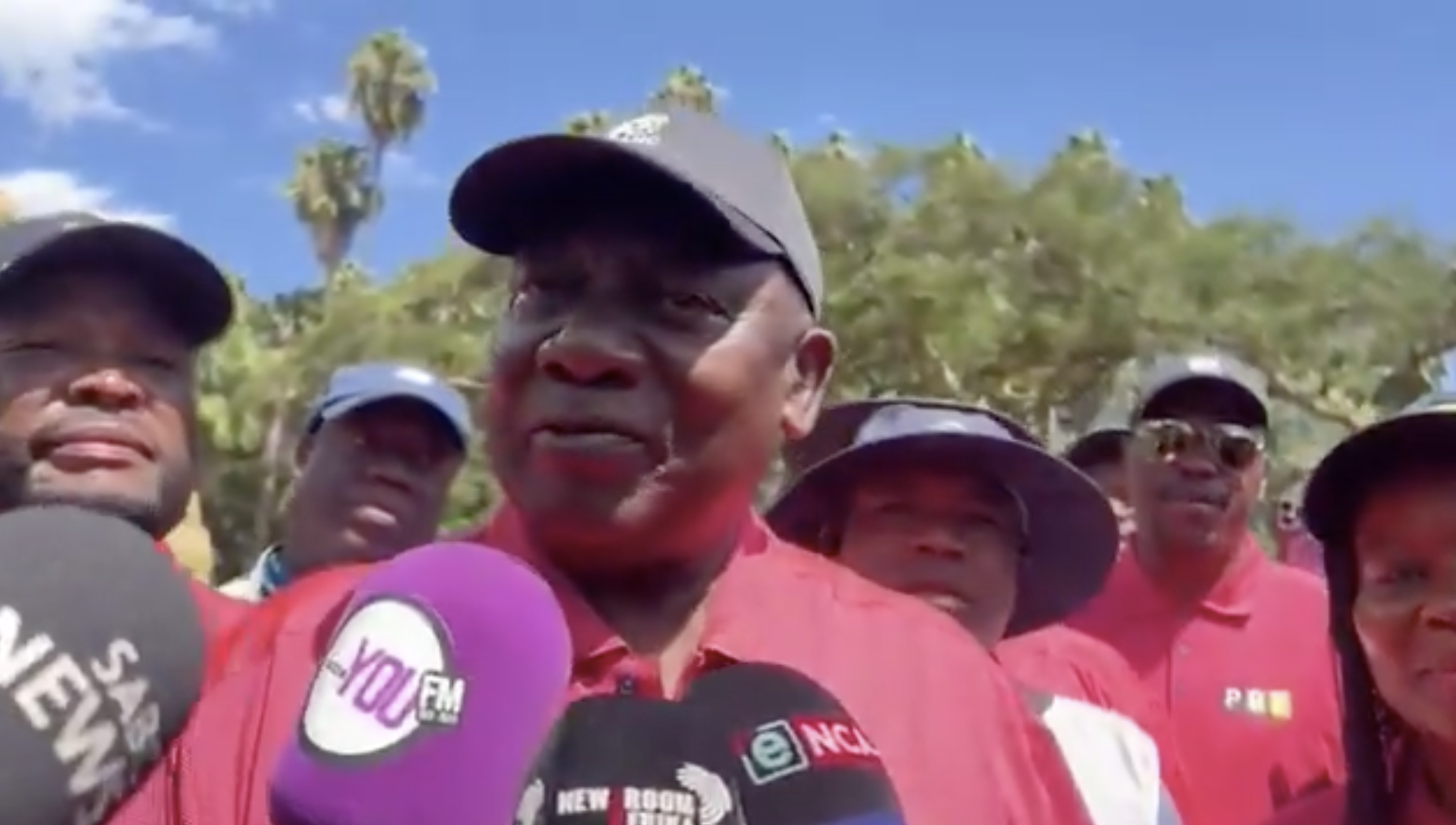
President Cyril Ramaphosa has appointed Advocate Jan Lekgoa “Andy” Mothibi, the current head of the Special Investigating Unit (SIU), as South Africa’s next National Director of Public Prosecutions (NDPP). The appointment, effective February 1, 2026, comes as Advocate Shamila Batohi prepares to retire at the end of January after serving a full term – the first NDPP to do so without controversial removal.
In a statement released on January 6, presidential spokesperson Vincent Magwenya explained that Ramaphosa established an advisory panel, chaired by Justice Minister Mmamoloko Kubayi, to conduct an open and transparent selection process. Over 30 applications were received, with six candidates shortlisted and interviewed in December 2025. However, the panel’s report, submitted on December 12, concluded that none of the interviewed candidates were suitable for the role.
Exercising his constitutional powers under Section 179 of the Constitution and Section 10 of the National Prosecuting Authority Act, Ramaphosa selected Mothibi, praising his extensive experience and proven track record in anti-corruption efforts.
Mothibi, 63, began his career as a public prosecutor and magistrate in Johannesburg and Soweto. He later held senior roles in legal, compliance, and governance at the South African Revenue Service (SARS) and in the private sector. Since 2016, he has led the SIU, overseeing high-profile investigations into state capture, PPE procurement irregularities during the COVID-19 pandemic, and other corruption scandals, resulting in significant asset recoveries and referrals for prosecution.
South Africa’s New Director of Public Prosecutions
To ensure continuity at the SIU, Ramaphosa has appointed Leonard Lekgetho, the unit’s chief operations officer with over 22 years of forensic investigation experience, as acting head from February 1.
The appointment has drawn mixed reactions. Civil society groups, including the Council for the Advancement of the South African Constitution (CASAC) and the Activists and Citizens Forum, have welcomed it, highlighting Mothibi’s integrity and potential to rebuild public trust in the NPA. Editorials in outlets like Business Day have described him as a “good choice” with demonstrated leadership in fighting graft.
Political responses vary. The Democratic Alliance (DA) expressed cautious optimism but criticised the bypassing of the panel process and noted Mothibi’s age may limit his long-term impact. The Inkatha Freedom Party (IFP) endorsed the decision, calling Mothibi the “right person” for principled leadership. However, the uMkhonto weSizwe (MK) Party alleged potential conflicts, claiming the appointment could shield relatives of senior officials from prosecution in ongoing cases.
A legal challenge by law firm B Xulu & Partners, which sought to interdict the process over alleged flaws in the panel’s handling of candidates, is now considered moot by the state following Mothibi’s selection outside the shortlist.
Mothibi inherits an NPA facing case backlogs, resource constraints, and pressure to secure convictions in state capture-related prosecutions. As Ramaphosa thanked Batohi for her contributions amid significant challenges, attention turns to whether Mothibi can strengthen the institution’s independence and effectiveness in upholding the rule of law.