


President Cyril Ramaphosa has welcomed a new wave of international commitments to expand renewable energy across Africa, saying the continent’s green transition must strengthen local economies, create jobs and be led by Africans themselves.
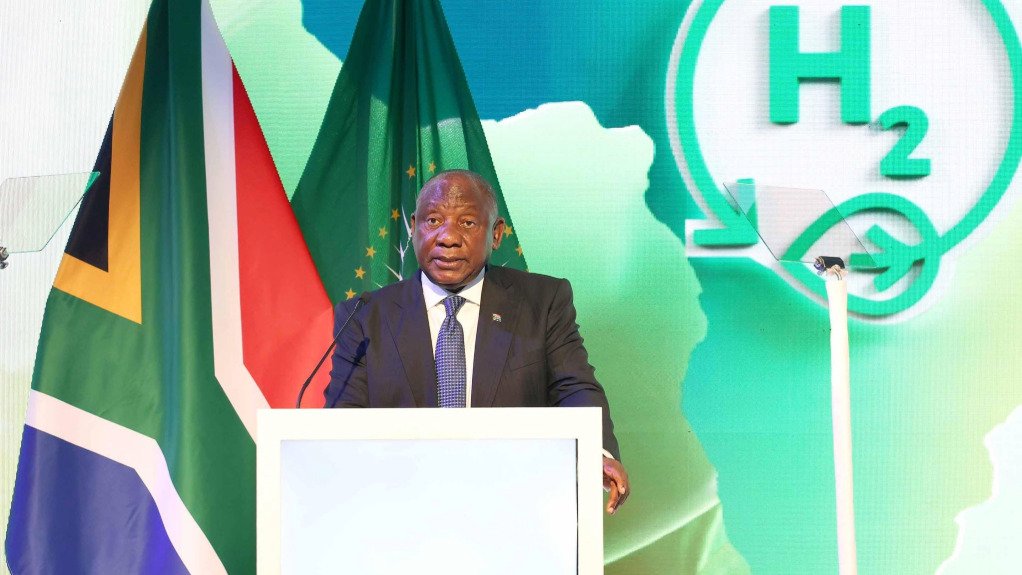
He was delivering closing remarks at the Global Citizen: Scaling Up Renewables in Africa event on Friday, held on the sidelines of the G20 Summit in Johannesburg. The gathering brought together governments, investors, philanthropies and energy experts to mobilise financing for Africa’s clean-energy acceleration.
Ramaphosa said the scale of pledges made at the event “affirmed the relevance” of South Africa’s G20 theme of Solidarity, Equality and Sustainability, which focuses on placing developing nations at the centre of global decision-making.
South Africa’s growing renewable footprint
South Africa currently has more than 17 gigawatts of installed renewable energy among the highest on the continent largely from wind and solar. But Ramaphosa noted that this is still not enough to meet future demand or ensure long-term energy security after years of instability in the power sector.
The government aims to grow this capacity to 45 gigawatts by 2035, guided by its Just Energy Transition Investment Plan (JET-IP) and the South African Renewable Energy Masterplan. Both frameworks prioritise localisation, industrialisation and skills development to ensure that clean-energy expansion benefits South African workers and manufacturers, not just foreign developers.
“Our transition must support workers, uplift communities, strengthen local economies and place young people and entrepreneurs at the centre of building a new energy future,” Ramaphosa said.
Africa’s energy opportunity
Many African countries continue to face severe energy deficits, limiting industrial growth and economic development. At the same time, the continent holds some of the world’s best wind and solar resources but receives only a fraction of global climate finance.
Ramaphosa said scaling renewables across Africa is essential not only for climate resilience but also for unlocking inclusive economic development.
“The real test will lie in implementation,” he cautioned, stressing that new pledges must be matched with discipline, clear policy frameworks and strong partnerships.
‘African ownership must be at the heart’
Ramaphosa also said that Africa must not be a passive recipient of global energy solutions. Instead, he said African countries should lead the design, construction and governance of their own renewable-energy future.
“This is more than an energy shift,” he said. “It is a transformation of our economies, our capabilities and our collective future.”