


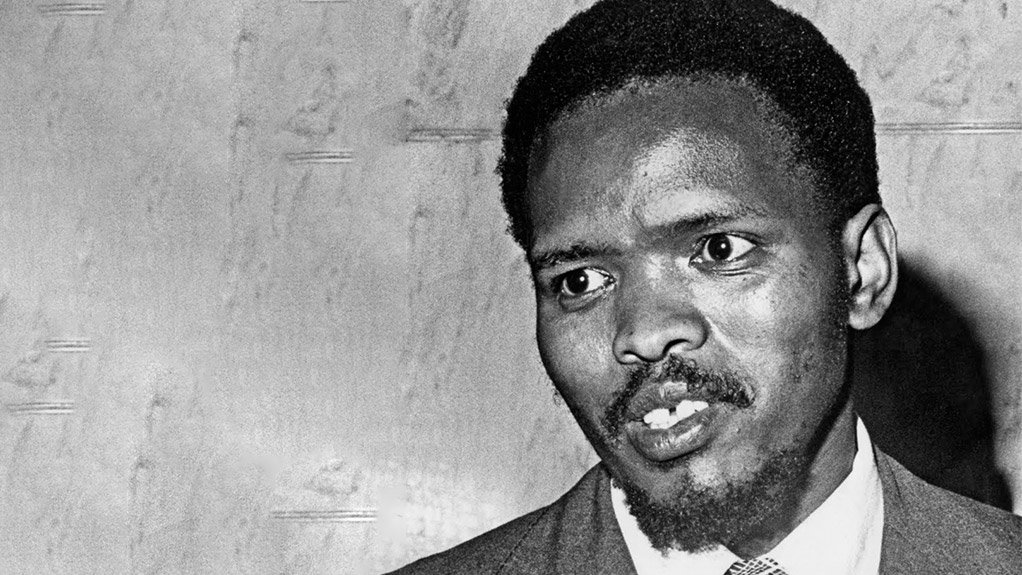
The Democratic Alliance (DA) has expressed its support for the reopening of the inquest into the tragic death of revered anti-apartheid activist, Steven Biko, which takes place exactly 48 years after his untimely demise in police custody on September 12, 1977. The High Court in Gqeberha, Eastern Cape, announced today that proceedings will be postponed to November 12 for case management.
The long overdue reinvestigation has been spurred by the ongoing commitment of the South African government to uncover the truth surrounding Biko’s death. Importantly, the state has confirmed that two persons of interest are still alive, prompting hopes for new revelations in a case shrouded in mystery and allegations of cover-up.
The family of Biko, whose legacy as a founding figure of the Black Consciousness Movement remains pivotal in South African history, has indicated that the date for the reopening of the inquest was deliberately selected for its historical resonance. As the renowned Peter Gabriel noted in his poignant 1980 anti-apartheid anthem, “September ’77, Port Elizabeth weather fine. It was business as usual, in police room 619.”
Official reports from the time claim that Biko died after sustaining a head injury by banging against his cell wall. However, many South Africans believe he was a victim of brutal torture. The National Prosecuting Authority (NPA) revealed that Biko spent 24 harrowing days in custody without medical attention, being restrained in leg irons, naked, and ultimately losing consciousness before being transported 1,200 kilometres to a hospital in Pretoria where he died. His official cause of death was listed as extensive brain injury and acute kidney failure.
During the original inquest in 1977, police testimony regarding the circumstances of his death drew significant outrage, particularly from the Black community, as many viewed the narrative as an attempt to absolve the apartheid state of responsibility. The emotional impact was evident; attendees at the time expressed their disbelief when law enforcement officials described Biko’s injuries as self-inflicted.
Biko’s fierce commitment to the struggle against apartheid garnered him significant international acclaim, even inspiring portrayals in film, notably Denzel Washington’s portrayal in the 1987 movie “Cry Freedom.” Though the Truth and Reconciliation Commission established in 1997 aimed to heal the wounds of apartheid, with high-profile figures like then-President Nelson Mandela backing it, critics have since questioned whether true justice was achieved.
As South Africa steps into a new chapter of its democratic journey, the reopening of Biko’s inquest stands as a testament to the nation’s ongoing fight for truth and justice. President Cyril Ramaphosa’s earlier initiative to investigate potential blocks against prosecutions of apartheid-era crimes further indicates a renewed focus on addressing past injustices.
Amidst these developments, the inquest’s reopening brings renewed hope not only for the Biko family but also for those seeking justice for other victims of apartheid, such as the “Cradock Four,” an infamous case involving the abduction and murder of four anti-apartheid activists in 1989, for which no prosecutions have been made. The outcomes of these ongoing investigations could serve as a powerful reminder of the past and a catalyst for genuine reconciliatory efforts in contemporary South Africa.


