


In a historic move that could reshape the tumultuous relationship between Rwanda and the Democratic Republic of Congo (DRC), leaders from both nations gathered in Washington on Friday to sign a peace agreement aimed at ending decades of conflict. The deal, which also has implications for the United States’ access to lucrative minerals in the region, has been met with cautious optimism amidst a backdrop of unresolved tensions.
The peace accord, described as a “glorious triumph” by US President Donald Trump, mandates the “disengagement, disarmament and conditional integration” of armed groups operating in eastern DRC, particularly focusing on the infamous M23 rebel group. Thousands have been killed in recent conflicts, and millions displaced as M23 seized control of extensive territories, including the strategic regional capital of Goma.
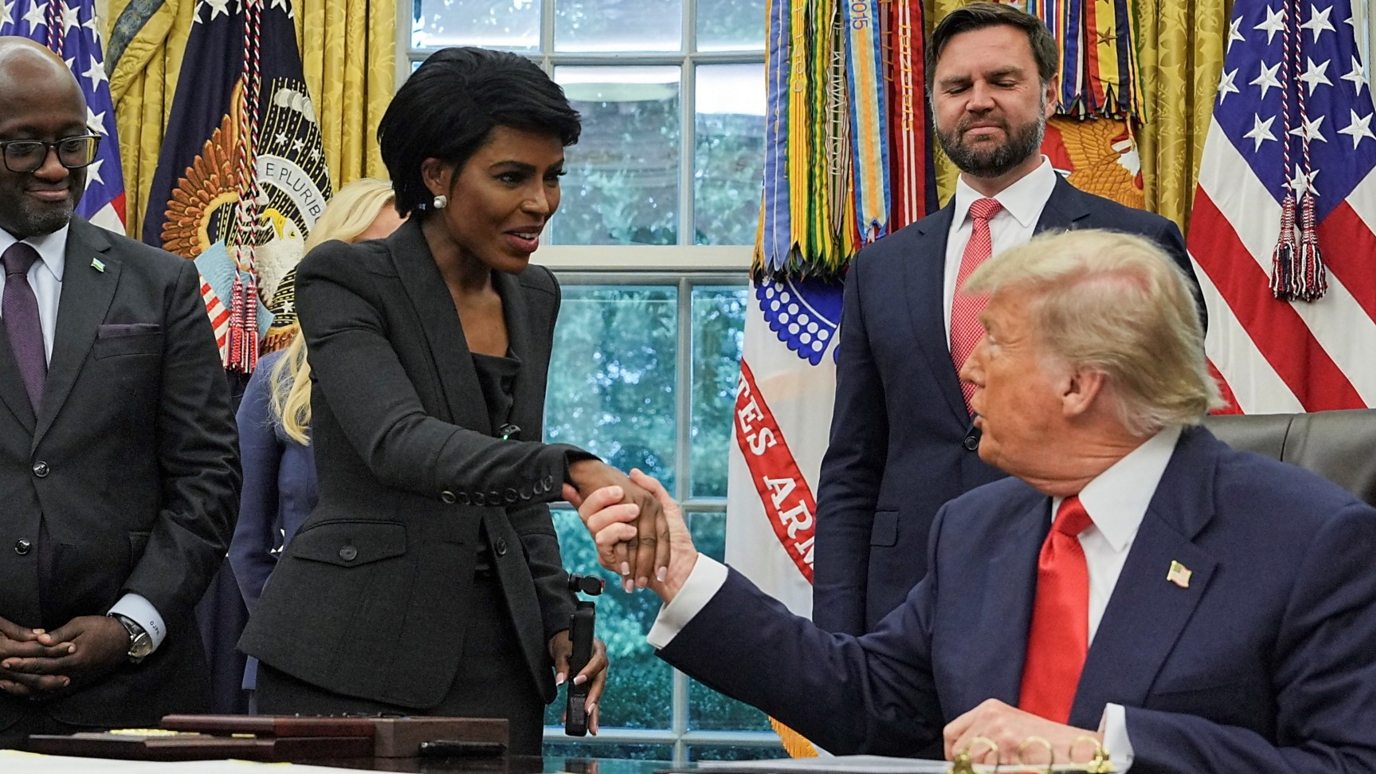
In the Oval Office, flanked by key US officials including Secretary of State Marco Rubio and Vice-President JD Vance, Trump heralded the agreement as a significant breakthrough in a region long marked by violence and instability. “Today, the violence and destruction comes to an end, and the entire region begins a new chapter of hope and opportunity,” he declared.
Despite the fanfare surrounding the signing, the realities on the ground remain complex. Previous peace agreements in the volatile region have faltered, leaving many to question the true impact of this latest accord. DRC’s President Félix Tshisekedi praised the deal as a major diplomatic achievement, asserting it is indeed “the most important in over 30 years.” Yet, the Congolese government had previously urged for an immediate withdrawal of Rwandan troops, advocating for full disengagement to ensure stability.
Adding to the complexity, Rwanda has at least 7,000 troops stationed in DRC, and its Foreign Minister, Olivier Nduhungirehe, has firmly rejected accusations of supporting the M23 rebels, despite substantial evidence. As tensions peaked earlier this year, there were increased diplomatic efforts led by Qatar, ultimately resulting in the signing of this peace deal. However, critical issues remain unresolved.
- Will the M23 rebel group withdraw from the territories they currently occupy?
- Does respect for territorial integrity imply acknowledgment of Rwandan troop presence?
- Will refugees displaced by violence be allowed to return?
- How will disarmament of armed groups, including the FDLR, be enforced?
- Can humanitarian aid access be ensured amidst ongoing hostilities?
Rwandan officials, prior to the signing, indicated that the lifting of military measures in their border areas is contingent upon the neutralisation of the FDLR, an armed group linked to the Rwandan genocide. Both countries accuse each other of supporting these militia groups, perpetuating a cycle of mistrust and violence.
The full details of the peace deal have not yet been disclosed, and major questions about its implementation linger. As hopes for reconciliation rise, the real test will come in the weeks and months ahead, as both nations must navigate a fraught political landscape marred by past failures and ongoing skirmishes.