





South Africa has reaffirmed its commitment to advancing the G20 Roadmap aimed at achieving faster, cheaper, more transparent, and inclusive cross-border payments by 2027 — a key priority under its G20 Presidency Finance Track.
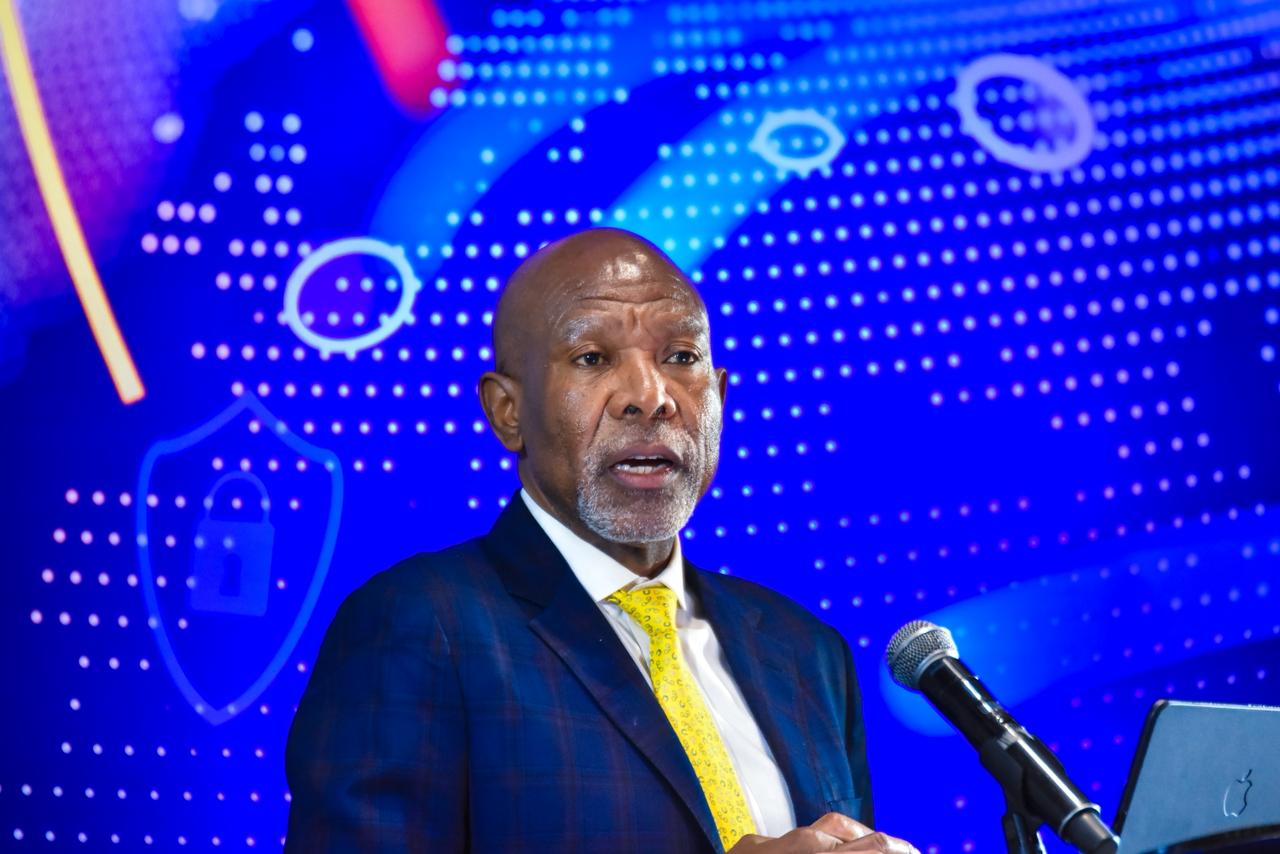
Speaking at the G20 Conference on Cross-Border Payments in Cape Town on Thursday, South African Reserve Bank Governor Lesetja Kganyago emphasised the global responsibility to modernise and integrate regional payment systems.
“Cross-border payments are the lifeblood of international trade, investment, capital and remittance flows. Yet, they remain far too costly, slow, and opaque, especially in emerging and developing economies,” said Kganyago.
He noted that South Africa, working closely with the Financial Stability Board and the Bank for International Settlements, has made progress in implementing the 2020 G20 Roadmap, but challenges persist in sub-Saharan Africa due to fragmented infrastructure and limited interoperability.
Kganyago highlighted the growing role of innovation, saying fast-payment systems and fintech solutions could be “transformative” for Africa — but warned the continent must “catch up” to avoid being left behind.
“It is important that we make sure our local payment systems are fit for purpose and interoperable with the rest of the continent and beyond,” he said.
The conference focused on four key themes: addressing user needs, overcoming policy and infrastructure barriers, fostering innovation and trust, and improving data and measurement.
Kganyago urged policymakers to strengthen cooperation, update regulatory frameworks, and invest in inclusive, interoperable systems — particularly for communities reliant on remittances and small-value transfers.
“Together, we can ensure that cross-border payments serve as a catalyst for inclusive growth and regional integration,” he said.
The conference coincides with growing anticipation around the Financial Action Task Force (FATF) announcement on Friday regarding South Africa’s possible removal from the global financial crimes greylist — a decision that could significantly impact investor confidence and the country’s financial reputation.


