


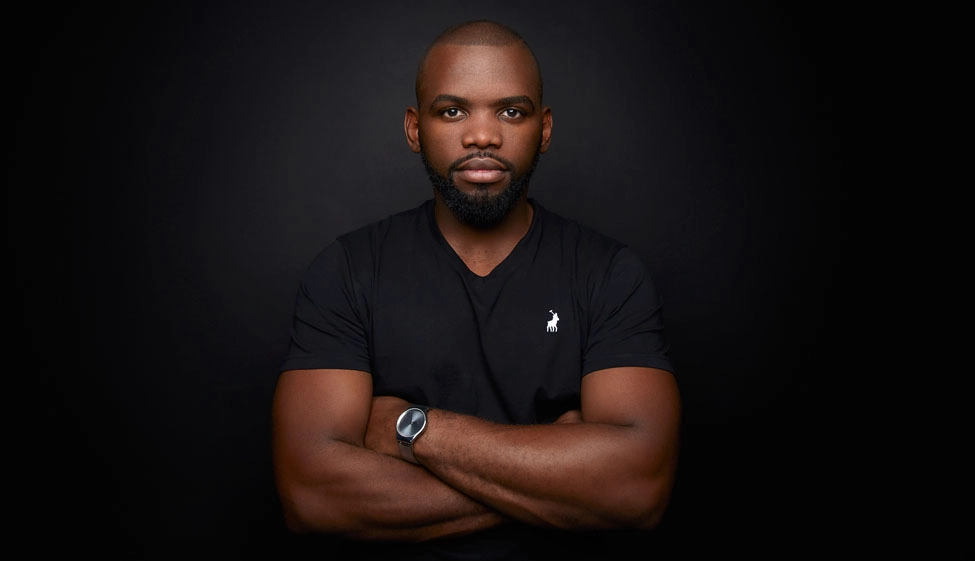
Actor and activist Siv Ngesi has stirred controversy by describing Johannesburg as a “huge mess” and endorsing former Cape Town Mayor Helen Zille as the city’s potential saviour. Ngesi’s candid remarks, which labelled Johannesburg a “dump of a place,” come at a time when the metropolis is grappling with significant challenges, including a crippling R200-billion infrastructure backlog, frequent power and water outages, and soaring crime rates.
Despite the backlash such statements may provoke, Ngesi remains firm in his belief that Zille could restore Johannesburg to its former glory if she decides to run for mayor in the upcoming 2026 local elections. “We need someone who can clean up this city… Zille has the experience to facilitate real change,” Ngesi said in a recent interview, articulating his frustration over the current state of affairs.
Zille, who gained international acclaim as the recipient of the 2008 World Mayor Prize for her transformational leadership in Cape Town, is reportedly contemplating a mayoral bid for Johannesburg, a city plagued by the challenges Ngesi highlighted. The prospect of her candidacy has divided public opinion, igniting a heated debate about race, representation, and vision for the future of urban governance.
As the conversation surrounding Zille’s potential candidacy unfolds, prominent figures are voicing contrasting viewpoints. ActionSA’s Herman Mashaba condemned the idea, labelling it a “slap in the face” to townships like Soweto, where historical socio-political grievances still resonate strongly. Meanwhile, activist Ntsiki Mazwai echoed similar sentiments, warning that Zille’s leadership represents “a scary mistake” for black communities, suggesting that her previous policies could exacerbate existing racial tensions rather than ameliorate them.
The contentious debate surrounding Ngesi’s endorsement and Zille’s prospective candidacy is emblematic of the broader struggles faced by Johannesburg. With its patchwork of affluent areas juxtaposed against impoverished townships, the city serves as a microcosm of South Africa’s complex socio-economic landscape, and the dialogue about its leadership is likely to intensify as the elections approach. The outcome could set a precedent not only for Johannesburg but for governance across the country.