


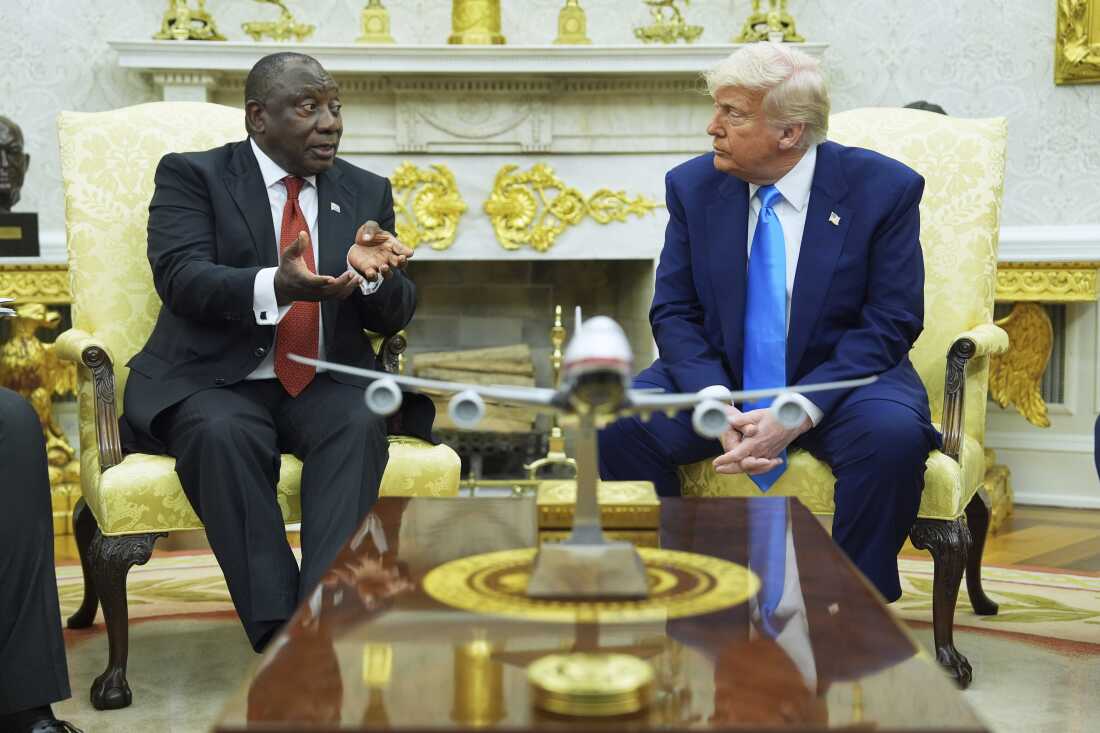
US President Donald Trump announced on Friday that South African products exported to the United States would face a steep 30% tariff beginning on 7 August. This decision marks South Africa as the sole sub-Saharan nation specifically targeted in this latest round of tariffs, underscoring the deteriorating relationship between Trump’s administration and the government led by President Cyril Ramaphosa.
The new tariffs hit the country hard, given its status as South Africa’s second-largest trading partner. Historically, sectors such as automobiles, agriculture, and textiles have benefited from duty-free access under the African Growth and Opportunity Act (Agoa). This access allowed for a flourishing trade dynamic, but the impending tariffs cast a pall over those gains.
As the deadline approaches, South African officials had engaged in negotiations with their American counterparts to reach a trade agreement. Reports indicate that these discussions included propositions such as importing US liquefied natural gas, streamlining US poultry imports, and a proposed investment of approximately $3.3 billion in US industries like mining. However, Trump’s latest tariffs signal a dramatic shift from these constructive dialogues.
President Trump has justified his decision by asserting that tariffs are necessary to protect American businesses from foreign competition, pledging to bolster domestic manufacturing and create jobs within the US. This rationale has raised concerns among South African leaders who fear the economic repercussions of rising tariffs.
In response to the announcement, Ramaphosa stated that his government is committed to ongoing negotiations with the US and has submitted a framework deal for consideration. “In the meantime, government is finalising a package to support companies that are vulnerable to the reciprocal tariffs,” he said. This sentiment reflects an effort to mitigate the adverse impacts on local businesses and maintain trade relations.
The strained US-South Africa relations have been exacerbated since Trump took office in January, marked by the suspension of American aid and accusations from the president regarding South Africa’s policies towards its white minority. Accusations that the South African government has ardently denied. Ramaphosa’s attempts to engage with Trump, including talks held in May, have seemingly borne little fruit as the two continue to grapple with fundamental misunderstandings.
As speculation about the future of US-South African trade looms, Trump has hinted that he might send a different representative to the upcoming G20 Leaders Summit in Johannesburg, further indicating the friction in diplomatic relations. “I’ve had a lot of problems with South Africa. They have some very bad policies,” he said recently, casting further doubt on the prospects of diplomatic reconciliation.