


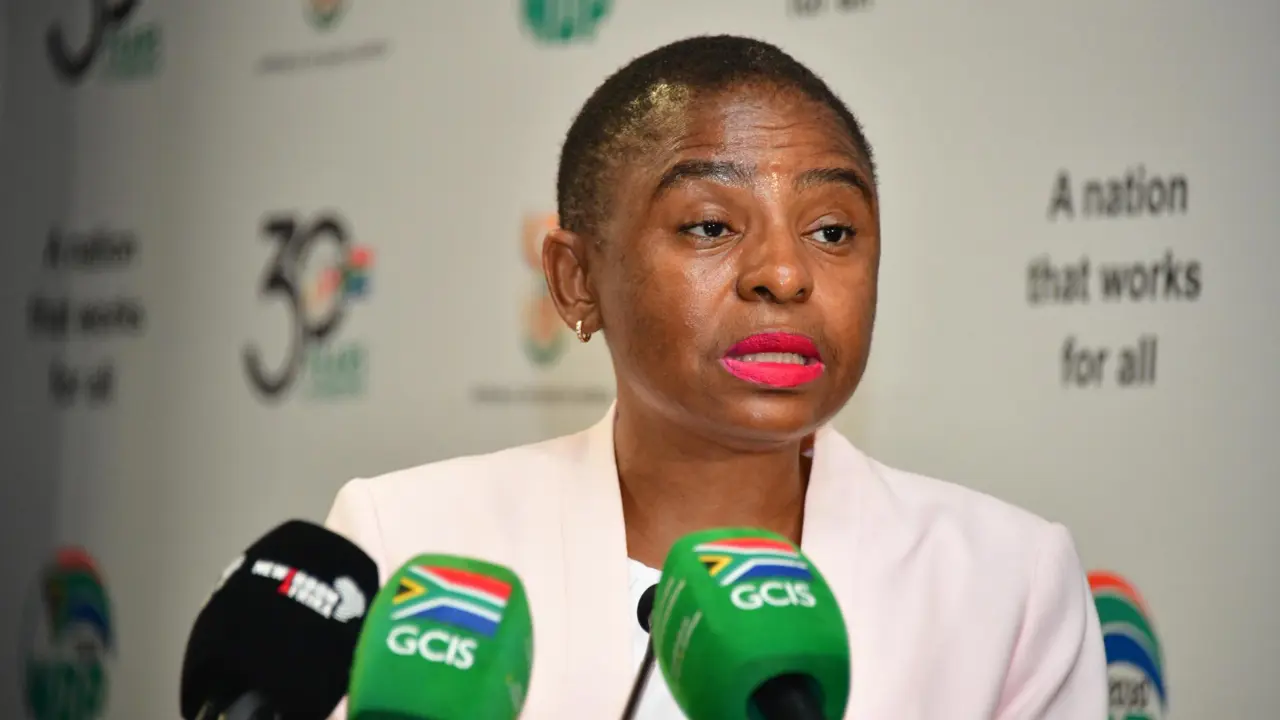
The Minister in the Presidency, Khumbudzo Ntshavheni, has expressed optimism regarding the advancements made in South Africa’s preparations for the forthcoming G20 meeting, scheduled to take place later this year. During a recent media briefing following a Cabinet meeting, Ntshavheni revealed that approximately 80 out of a planned 132 official meetings on the G20 agenda have already been conducted, paving the way for significant discussions and negotiations ahead.
“Negotiations of the Ministerial outcome documents and related high-level outcomes have already begun,” she noted. A highlight of the discussions has been South Africa’s introduction of the Cost of Capital Review—an initiative designed to foster a more equitable global financial system. This step aims to enable developing nations to invest vital resources into infrastructure, healthcare, education, and climate resilience measures.
Meanwhile, as the deadline for imposing a 30% tariff on numerous South African imports approaches, the government is hopeful of finalising a trade deal with the United States. Minister Ntshavheni emphasised President Cyril Ramaphosa’s commitment to expediting negotiations with their American counterparts to avert a potential “jobs bloodbath” across South Africa prompted by the tariffs.
“The lines of communication with the US remain open,” she stated, revealing that Ramaphosa and US President Donald Trump recently spoke on the phone to discuss ongoing negotiations. These talks are currently led by the Minister of Trade, Industry and Competition, Parks Tau, with additional support from a strong team of ministers including Ronald Lamola and John Steenhuisen.
“The principle is that the room for engagement is there, and the President continues to engage. Back in May, he led a delegation to Washington to open that room for negotiation, and it is from that meeting that we received assurances regarding a review of the tariffs,” Ntshavheni explained. She also highlighted that if there were no room for negotiations, the continuous engagement would be unnecessary.
With the possible impact of the tariffs projected to jeopardise around 30,000 jobs, particularly in the automotive and agricultural sectors, the South African government has set up various interventions to assist affected companies. Initiatives such as the Export Support Desk, Localisation Fund Support, and the Export and Competitiveness Support Programme have been established to mitigate job losses and foster market diversification.
“The aim is to ensure that affected sectors do not suffer unduly. There’s evidence of diversification into other markets already taking place within the agricultural sector,” she concluded.