


President Cyril Ramaphosa said he has noted with concern the new 30% tariff imposed on South African exports to the United States of America (USA).
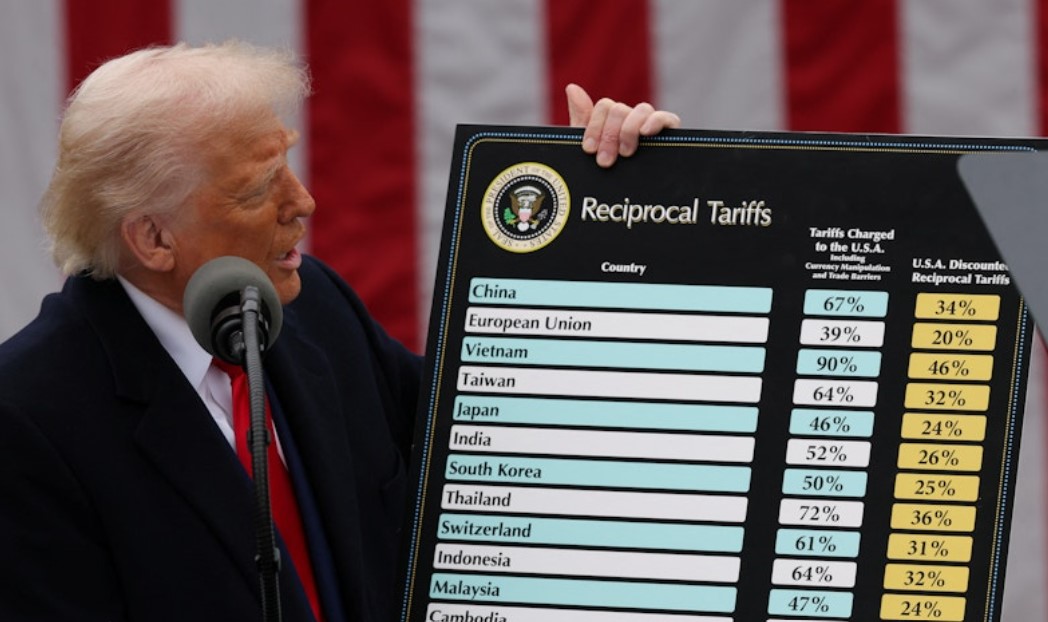
This after US President Donald Trump signed an executive order imposing “reciprocal tariffs” on more than 180 trading partners across the world.
“Whilst South Africa remains committed to a mutually beneficial trade relationship with the United States, unilaterally imposed and punitive tariffs are a concern and serve as a barrier to trade and shared prosperity.
“The tariffs affirm the urgency to negotiate a new bilateral and mutually beneficial trade agreement with the U.S, as an essential step to secure long-term trade certainty,” said the presidency in a statement.
Meanwhile, Trade, Industry, and Competition Minister Parks Tau said the country is still seeking clarity from Washington, regarding the tariffs and engagement about the future of both countries’ trade relations going forward.
“We’re all trying to work out how the US arrived at 60% discounted to 30% as the tariffs that we levy, and therefore the discount they’re giving.
“Our tariffs average most of the favoured nations tariffs and estimated 7.6%.
“We’re speculating what the US is calculating, this we assume could include the trade balance, and other considerations.
“But at this point we’re going to need clarity from the US as to how they arrived at the number and how they want to engage going forward,” said Tau, who was speaking at the Gauteng Investment Conference in Sandton.
The Minister cautioned that it is premature for Pretoria to implement retaliatory measures against the US.
“We should take a posture that continues to engage with the US, with trade partners, about how we develop a way forward.
“The entire global trading environment has been changed by the announcements yesterday.
“We’re all going to have to assimilate what it implies to global trade or trade rules for the World Trade Organisation and begin to develop responses that take the whole world forward.
“I don’t think that we can contribute to the discourse by taking an adversarial approach as a country,” explained Tau.

