


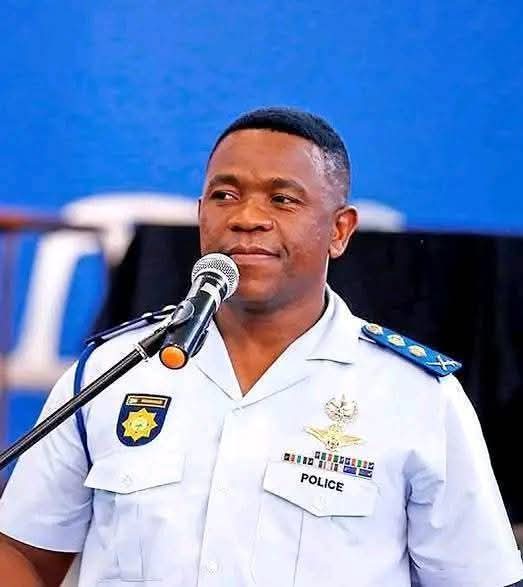
In a decisive move to tackle the alleged corruption within the South African Police Service (SAPS), members of the ad hoc committee have underscored the vital significance of their work, especially in light of recent claims made by KwaZulu-Natal Police Commissioner Nhlanhla Mkhwanazi regarding threats to national security.
During a meeting held to discuss the scope and urgency of the committee’s task, Economic Freedom Fighter’s (EFF) member Leigh-Ann Mathys made it clear that the historical implications of their findings could reshape the future landscape of policing in South Africa. “This is probably a once-off. It’s going to be a historical ad hoc committee on what we are doing here, so we do need to have the highest structures, or the highest level of staff here in the meeting,” she emphasised, urging her colleagues to commit to thoroughness in their inquiry.
The committee is mandated to submit its report to the National Assembly by the 31st of October, outlining not only its findings but also recommendations for enhancing policing and governance within SAPS. As part of its investigative role, the committee will meet virtually on Monday to finalise terms of reference that are crucial to its operations.
In a response to the complexity of their task, Parliament’s legal team has been given until close of business tomorrow to circulate updated terms. The proposed terms aim to facilitate a comprehensive investigation, including invitations to witnesses, some of whom may currently be imprisoned. Witnesses will also have the opportunity to be represented by legal counsel, ensuring a fair and just process.
The committee will engage various professional entities, including a forensic investigator, the Auditor-General, the Public Protector, and the Independent Police Investigative Directorate (IPID). The National Prosecuting Authority (NPA) and the Special Investigating Unit (SIU) will also be called upon for their expertise.
While eagerness to dive deep into the investigation is palpable, it is essential to acknowledge the limits of the committee’s authority. Khusela Sangoni from the African National Congress (ANC) raised an important point regarding the committee’s powers: “It is our view that the committee does not possess powers to investigate, in the true meaning of the word. We understand though that word emanates from a motion adopted by the house. The word ‘investigate’ raises some questions. Our understanding is that this process is inquisitorial in its nature; it is fact-finding.”