


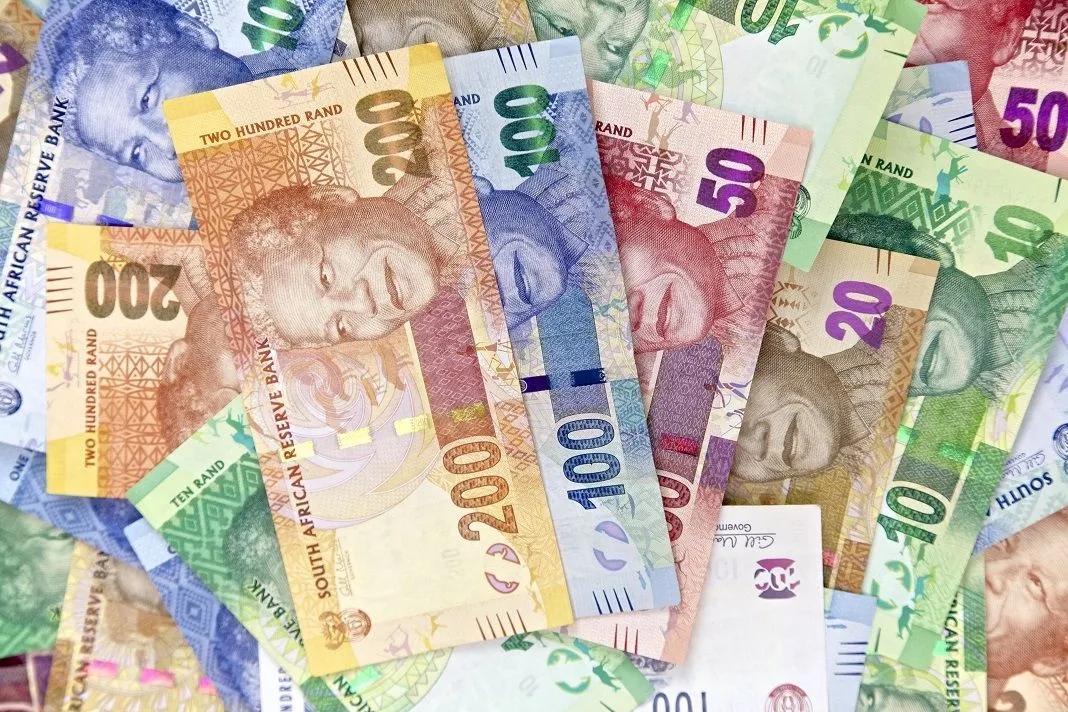
The South African rand surged past a key psychological barrier Monday, with USD/ZAR trading firmly below R17 for the first time in months, as investors cheered improving fiscal health, record foreign reserves, and a global risk rebound—boosted by South Africa’s high-profile G20 presidency kicking off this week.
The currency’s rally accelerated last week after a brief early-November dip to R17.58, with analysts pointing to a weaker U.S. dollar, rising commodity prices, and renewed confidence in Pretoria’s economic management.
USD/ZAR has broken decisively below R17, and the technical picture supports further downside, said Skerdian Meta, lead FX analyst at FXLeaders. The 200-week moving average capped upside, and momentum now favors the rand.
Fiscal Wins Underpin Rally
Finance Minister Enoch Godongwana’s mid-term budget last week delivered a rare dose of good news for markets:
2025 GDP growth revised up to 1.2% — double last year’s rate
National debt set to stabilise as a share of GDP for the first time since 2008
R4.8 billion saved from lower debt costs; R6.7 billion cut from underperforming programs
R15.8 billion in new spending on education, health, disaster recovery, and elections — funded by stronger tax collection
Despite a projected R15.7 billion revenue shortfall over two years, Treasury laid out a clear plan: crack down on social grant fraud, tighten municipal spending, and consider R20 billion in tax hikes in 2026 if needed.
Godongwana drew a line in the sand, said one Johannesburg-based economist. It’s either raise revenue or cut spending — no more borrowing to plug holes.
G20 Spotlight Adds Fuel
South Africa assumes the G20 presidency this month, hosting the leaders’ summit in Johannesburg on November 22–23 under the banner Solidarity, Equality, Sustainability.
It marks the first time an African nation has led the group, and Pretoria is pushing hard for:
Debt relief and climate finance for developing nations
A new global panel on inequality (led by Nobel laureate Joseph Stiglitz)
Stronger governance of critical minerals — a boon for South Africa’s platinum, manganese, and chrome exports
The African Union’s new permanent G20 seat further elevates the continent’s voice.
But tensions flared over the weekend when U.S. President Donald Trump announced a boycott, citing what he called persecution of white farmers — a claim swiftly rejected by President Cyril Ramaphosa as baseless.
Their absence is their loss, Ramaphosa said Sunday. We remain committed to multilateral partnerships with the EU, China, and others to drive energy transitions and sustainable growth.
Markets shrugged off the drama. Emerging-market currencies, including the rand, have held firm despite U.S. tariff threats, supported by easing U.S.–China trade tensions and gold prices topping $4,200/oz.
Record Reserves, FATF Exit Seal Stability
South Africa’s foreign exchange reserves hit an all-time high of $71.55 billion in October, driven by gold revaluation and foreign bond inflows.
The country’s removal from the FATF grey list earlier this year has also slashed borrowing costs and reopened capital markets.
SARB Decision Looms
All eyes now turn to Thursday’s South African Reserve Bank (SARB) meeting.
Markets are pricing an 80% chance of a 25-basis-point rate cut, but Investec chief economist Annabel Bishop warns the central bank may pause.
Inflation ticked up to 3.4% in September and could hover near 3.5% this quarter, she said. With the Fed staying cautious, SARB might delay easing to protect the rand.
October inflation and September retail sales data, due Wednesday, will be critical.
USD/ZAR was trading at 16.94 in early London trade Monday.