


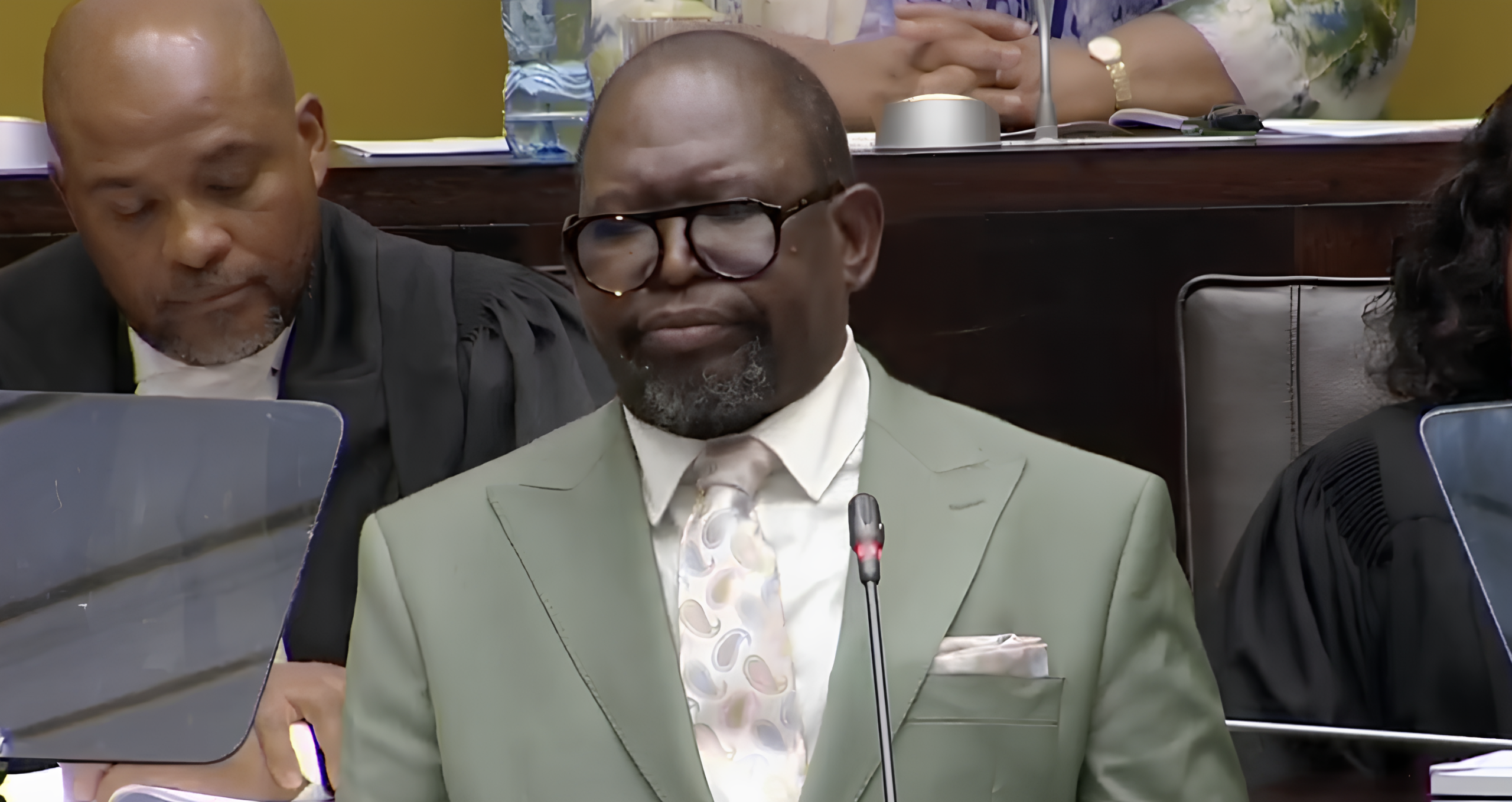
Finance Minister Enoch Godongwana presented the 2025 MTBPS in Cape Town earlier, outlining a cautiously optimistic fiscal path amid ongoing economic challenges. The statement reflects improved revenue collection, disciplined spending, and supportive monetary policy, building on the turbulent main budget process earlier this year. Below is a summary of the highlights, drawing from the minister’s remarks and official projections.
Fiscal Outlook and Targets
- Budget Deficit Improvement: The overall budget deficit is projected to narrow from 4.5% of GDP in the current fiscal year to 2.7% by 2028/29—the lowest level since 2008/09. This trajectory supports fiscal consolidation, with the main budget primary surplus for 2025/26 outperforming February estimates by achieving a surplus of 0.9% of GDP (up from 0.5% projected in 2024/26).
- Debt Stabilisation: Gross debt-to-GDP ratio stabilises at 75.3% in 2025/26 (down from an earlier forecast of 75.9%), then declines gradually over the medium term. Debt-service costs, currently absorbing 21% of revenue, are expected to ease as primary surpluses grow.
- Revenue Performance: Collections for the first half of 2025/26 reached R707 billion, 9.3% higher than last year and R17.5 billion above the main budget estimate. This R19.3 billion overrun for the full year stems from corporate once-offs and robust household spending, allowing frontloaded capital expenditure and priority funding without new taxes.
Economic Projections
- GDP Growth: Revised down to 1.2% for 2025 (from 1.4% in the May budget), with an average of 1.8% over the medium term. Growth is buoyed by better energy supply, agriculture rebound, tourism recovery, and consumer spending, though global headwinds persist.
- Inflation Target: Lowered to a 3% midpoint (from 4.5%) within a 3-6% band, aligning with South African Reserve Bank advocacy. This is anticipated to anchor lower interest rates, reducing borrowing costs and supporting private investment.
Expenditure and Policy Priorities
- Spending Adjustments: Real spending growth is protected under the revised inflation framework, with reductions in non-priority areas. Key allocations include infrastructure (frontloaded via revenue gains), social spending, and local government support to address service delivery declines.
- Reforms and Efficiencies: Emphasis on curbing “ghost workers” through biometric verification, efficient procurement, oversight of contingent liabilities, and private-sector partnerships for infrastructure. No immediate tax hikes, but a commodity windfall tax is confirmed to bolster revenues.
- Broader Impacts: Godongwana stressed that “healthy public finances are essential to create a platform for faster growth,” noting improved investor confidence post-FATF greylist exit and lower sovereign risk premiums. This has freed resources for inclusive development while maintaining fiscal anchors.
Context from Earlier Budget Chaos
The MTBPS contrasts sharply with February’s unprecedented postponement—the first since 1994—due to coalition disputes over a proposed VAT hike, leading to three budget iterations and final approval in May. Despite this, the document signals progress under the Government of National Unity, with fiscal discipline yielding tangible gains.
| Key Metric | 2025/26 Projection | Medium-Term Trend (to 2028/29) | Change from May Budget |
|---|---|---|---|
| Budget Deficit (% GDP) | 4.5% | Narrowing to 2.7% | Improved |
| Primary Surplus (% GDP) | 0.9% | Growing | +0.4 pp |
| Gross Debt (% GDP) | 75.3% | Declining | Stabilised (down 0.6 pp) |
| GDP Growth | 1.2% | Avg. 1.8% | Downgraded (-0.2 pp) |
| Inflation Target | 3% midpoint | Maintained | New (lowered) |
This MTBPS underscores a commitment to sustainability, though economists caution that structural reforms are needed to unlock higher growth beyond 1.8%.