


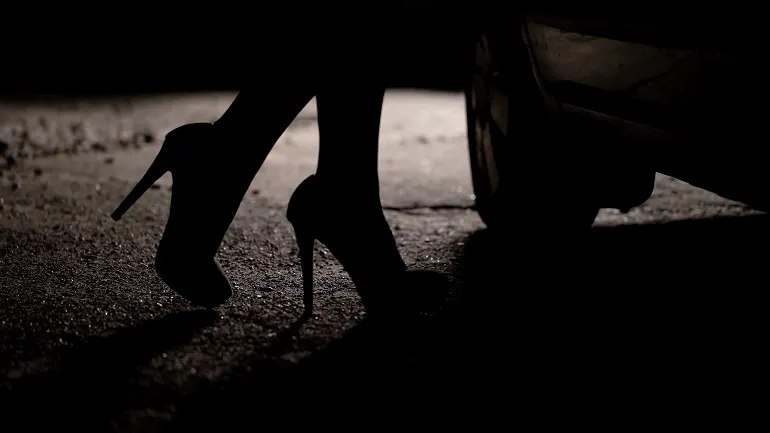
The recent withdrawal of funding from the US President’s Emergency Plan for AIDS Relief (Pepfar) has sent shockwaves through South Africa’s vulnerable sex worker community. Sisonke, an organisation advocating for sex workers’ rights, has expressed deep concerns regarding the fallout from this decision, which they say leaves their members exposed and without essential healthcare services.
President Donald Trump’s decision to pull the plug on Pepfar funding last month has raised alarms among public health officials and activists alike. Since its establishment in 2003, South Africa has received billions in US dollars through the initiative, aiding the country in its fight against the devastating impact of HIV/AIDS, a disease that significantly affects the sex worker population.
With over 100,000 individuals engaged in sex work within the country, the cessation of Pepfar funding is seen as a direct threat to their health and wellbeing. Sisonke National Movement Spokesperson, Yonela Sinqu, articulated the dire situation, stating, “The now closed mobile clinics provided non-discriminatory healthcare to our members. Those clinics used to offer not only HIV care but also psychosocial support for our members.” Sinqu went on to highlight how these clinics offered gender-affirming therapy for transgender individuals and support programs for drug users. “We’d also seen an increase in the number of clients of sex workers also engaging with these clinics,” she added, underscoring the far-reaching impact of the services provided.
In a recent Parliament debate, Health Minister Dr Aaron Motsoaledi made a poignant remark regarding South Africa’s stance following the aid termination. He stated emphatically that the United States owes South Africa nothing. “Trump doesn’t owe us a cent. We need to stand on our own,” Motsoaledi declared, challenging Parliament to engage in discussions about the national dependency on foreign aid amidst such difficult times.
Motsoaledi’s remarks reflect a growing sentiment in the country that South Africa must shift towards self-reliance, even as communities brace for the consequences of the funding cuts. With health services for critical populations already strained, there are increasing fears about the potential rise in HIV infections and a decline in healthcare access for sex workers, who already face numerous barriers.