


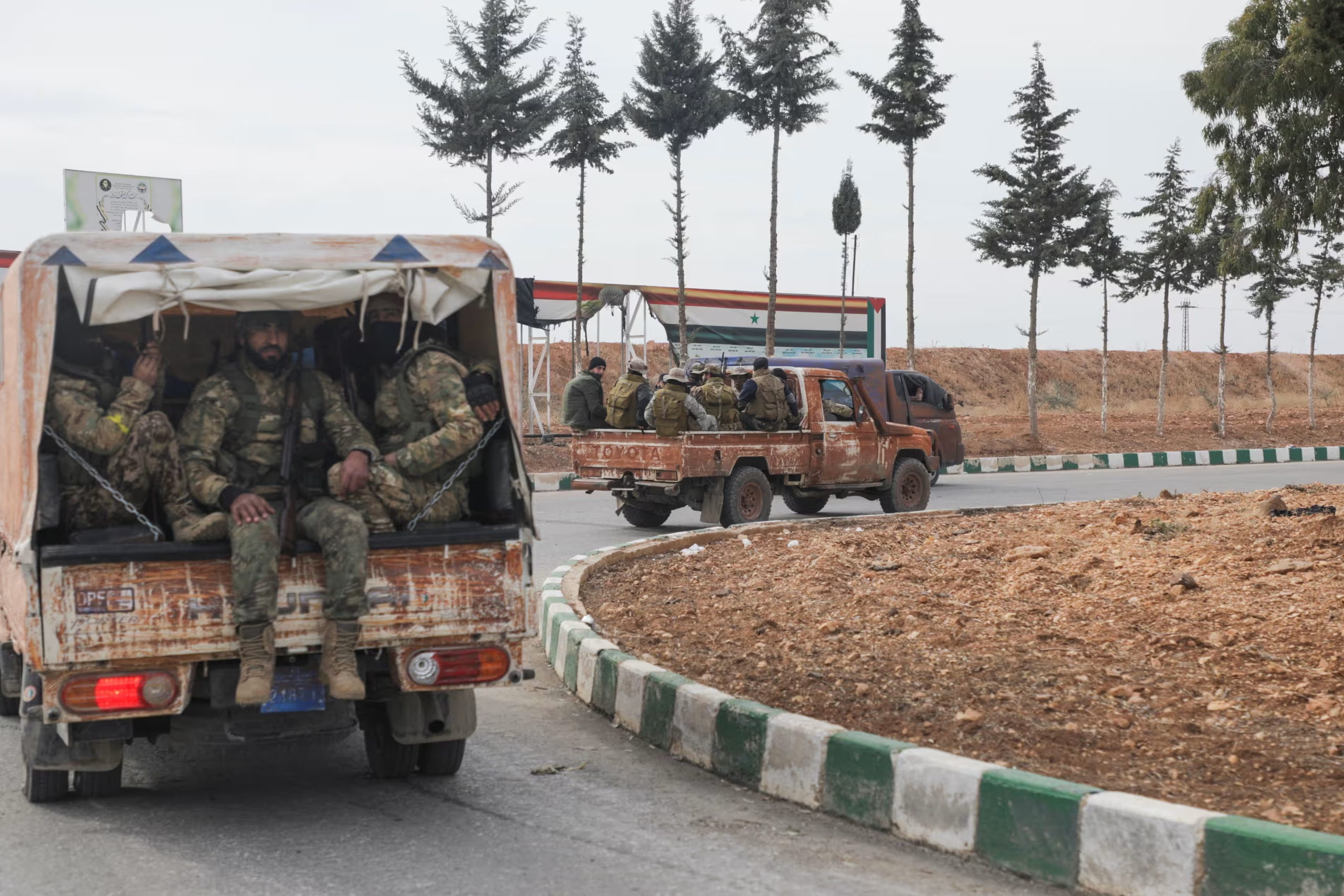
In a dramatic escalation of the ongoing conflict in Syria, opposition insurgents have reached the outskirts of Damascus, marking a significant shift in the power dynamics of the war-torn nation. As clashes intensify, reports from opposition activists and rebel commanders indicate that insurgent forces are effectively tightening their grip around the capital city, a stronghold for President Bashar al-Assad.
According to Rami Abdurrahman, the director of the UK-based Syrian Observatory for Human Rights, opposition fighters have been particularly active in Damascus suburbs Maadamiyah, Jaramana, and Daraya. This deployment signals a growing capability of insurgents to launch assaults closer to the regime’s nerve centre.
Adding to the sense of urgency, insurgent commander Hassan Abdul-Ghani took to Telegram to announce the “final stage” of their offensive, revealing that groups are advancing from southern regions of Syria towards the capital. “We are encircling Damascus,” Abdul-Ghani stated, a move that has generated concern within the Assad regime.
Opposition forces are also reportedly moving from eastern Syria towards Harasta, a strategic suburb of Damascus. This coordinated approach reflects a determined effort by rebel factions to seize the initiative in what has been a protracted and bloody conflict, which is now entering its third year.
With the stakes higher than ever, the implications of these developments could be vast—not only for Syria but for the broader Middle Eastern geopolitical landscape. As insurgents gather momentum, foreign powers and regional players may be forced to reevaluate their strategies regarding the ongoing conflict. The world watches closely as the situation unfolds, with fears mounting that increased hostilities could prompt a humanitarian crisis on an unprecedented scale.