


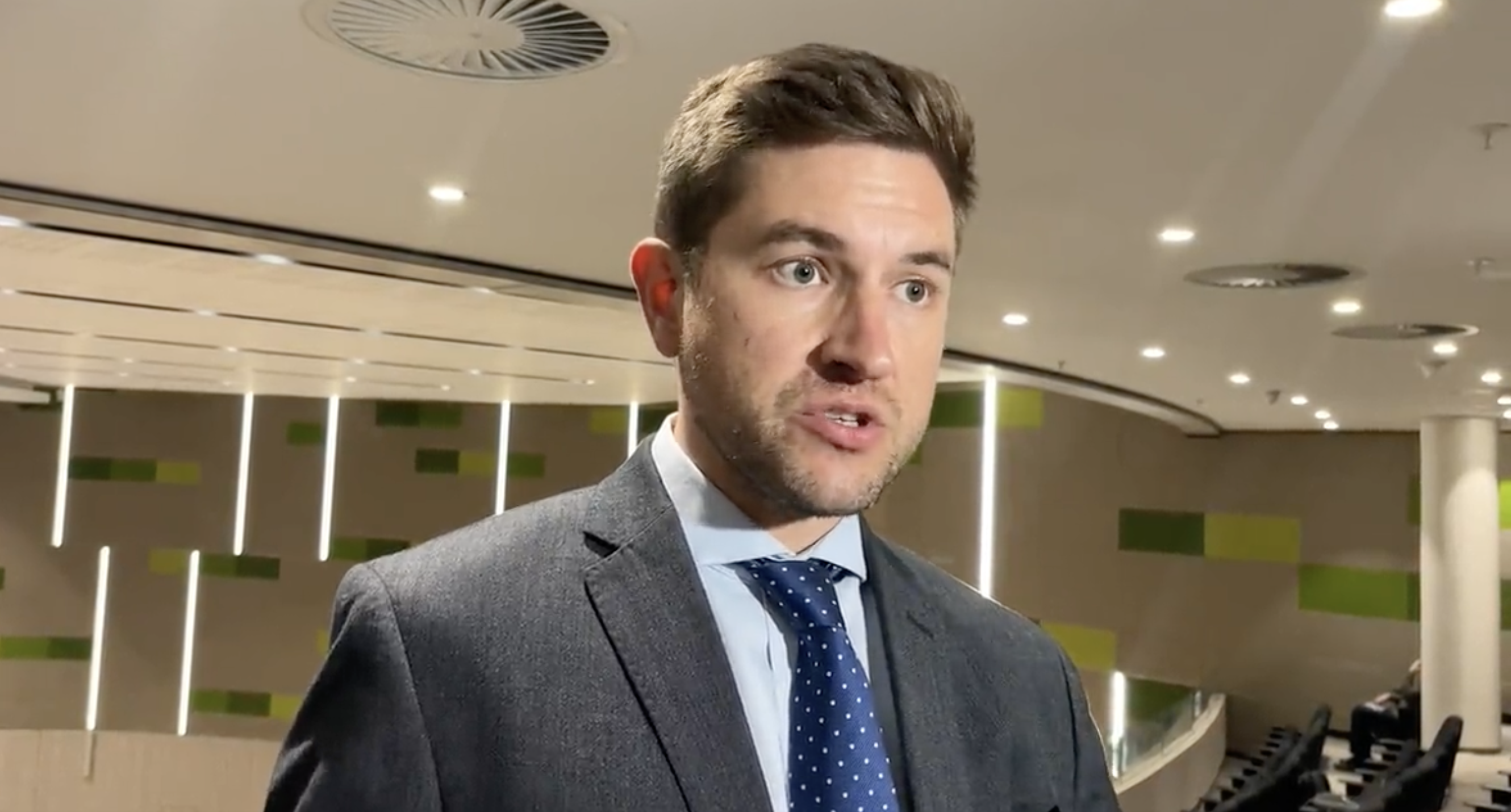
City of Tshwane Mayor, Cilliers Brink says the municipality has pumped R450 million over the next three years to resuscitate the refurbishment of the Rooiwal Wastewater Treatment Plant following an outbreak of Cholera in Hammanskraal that some say has been caused by a lack of clean water supply in the area.
The number of people who have died from the Cholera outbreak has risen to 17 and scores have been hospitalised while the Department of Health is still trying to establish the source of the outbreak which started in Hammanskraal, Tshwane.
The ANC has accused the DA-led municipality of abandoning the project when it took over the council. However, the DA has maintained that it put brakes on the project because of supply chain irregularities and the collapse of the Joint Venture partnership that failed to run the project.
The Plant is said to be at the center of the Hammanskraal water crisis and the South African Human Rights Commission, after an investigation, released a report in October 2021, that the failing Rooiwater project and its consequent pollution of water resources be declared a national disaster.
The SAHRC also recommended that the municipal managers who were at the helm when the Rooiwater project ground to a halt, be held accountable for the pollution in the City of Tshwane.
“Municipal managers who were in place during the deterioration of the Rooiwater Wastewater Treatment Plant in the City of Tshwane, and who allowed pollution to continue through failure to deliver on their statutory and constitutional obligations be held accountable in terms permissible by legislation, including, through criminal prosecution,” said the report.
It is not clear if the SAHRC recommendations were adhered to. Brink said the first priority for the city remains to determine the source of the cholera outbreak.
“We are expecting further test results today as we know the net of those tests have been cast wider after it was discovered that the water from the taps through the Temba system is not the source of the contamination. We still have to find the source because if we don’t we can’t contain the problem.
“Now we know that this crisis has drawn attention to the long standing problem of the quality of water being delivered to the people of Hammanskraal especially through the Tshwane supply area in Temba.
‘It is not an issue that can be ignored any longer. We have reached the end of a long line of failures and excuses. Today MMC Peter Sutton is presenting a budget in which the largest single allocation is made for the refurbishment of the Rooiwater Wastewater Treatment Plant
thus far. We are committing R450 million over the next three years. A R150 million in each of the years of the budget,” said the mayor.
Brink said the metro is looking at other financial institutions and national governments to fund the refurbishment of the plant.
“Now that is not enough to solve the problem. We have said over and over again that the resources of the City of Tshwane are simply too limited to do the upgrades there. We also have serious supply chain management issues with irregular tender being approved by this city in the past that we have got to be honest about.
“So we lack the resources. We lack the expertise. So we are going to need partnerships. But this contribution in the next three years and R150 million in the next financial year is a bold step to start solving the problems.
“We know we are going to have to partner with other spheres of government. We are talking to the Development Banks of Southern Africa. We will talk to other possible financiers to make up that gap. The second phase of the upgrade of the Rooiwal will cost R2,5 billion which we have emphasized is the entire capital budget of the city,” he added.

