


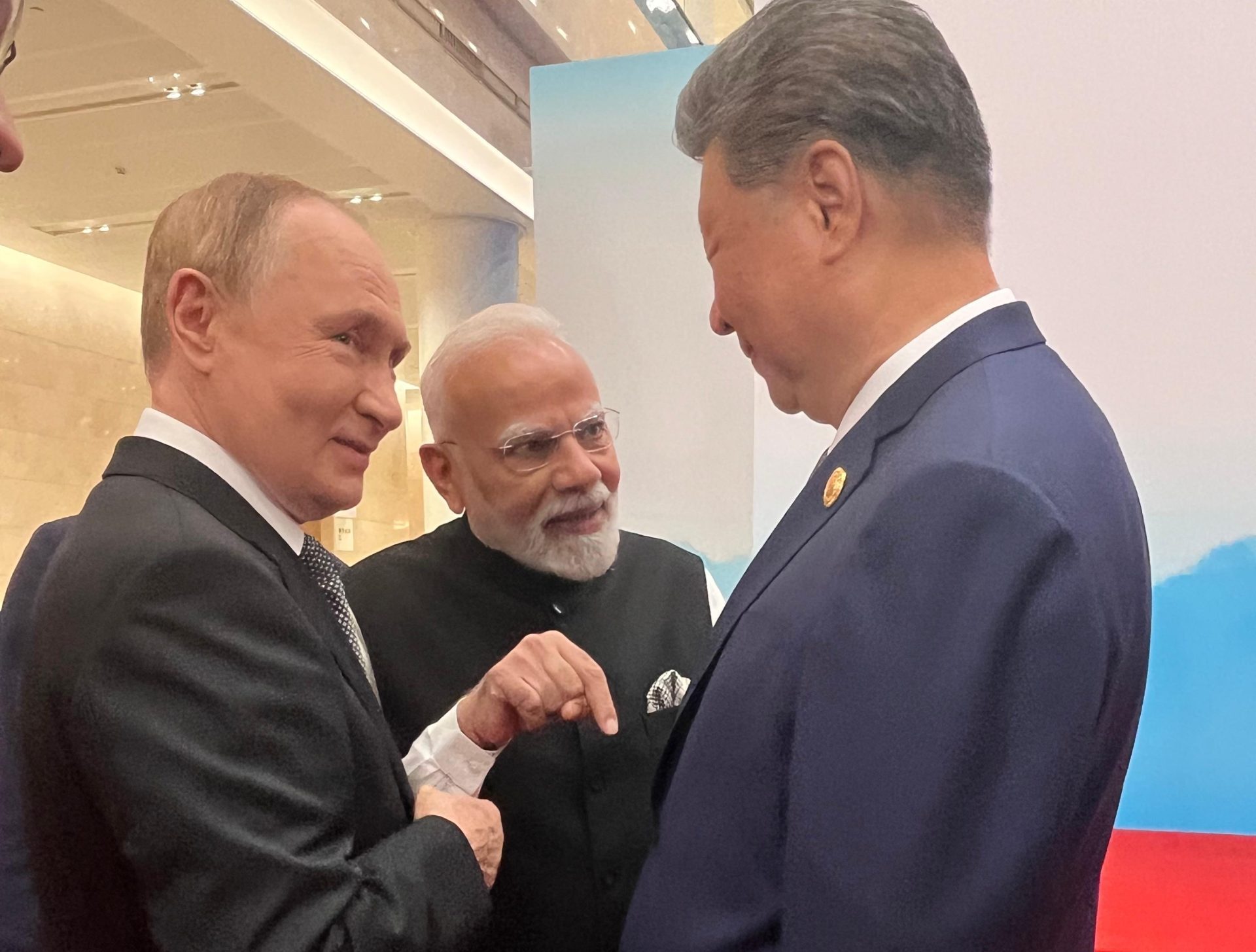
Tianjin, the bustling port city of China plays host to a historic gathering of over 20 world leaders, including Indian Prime Minister Narendra Modi and Russian President Vladimir Putin, for the 25th Shanghai Cooperation Organisation (SCO) Summit. The two-day event is framed under the resonant theme “Promoting the Shanghai Spirit: SCO in Action.”
This summit marks a significant milestone in diplomacy, particularly as Prime Minister Modi embarks on his first visit to China in seven years. Amid a backdrop of rising geopolitical tensions and shifting global trade dynamics, the SCO serves as a platform for reinforcing alliances, particularly among countries in the Global South, showcasing a united front against increasing economic pressures.
In a noteworthy sideline meeting, Chinese President Xi Jinping engaged in talks with Prime Minister Modi, underscoring the strategic importance of this gathering. At this juncture, the geopolitical landscape is underscored by US President Donald Trump’s recently imposed 50% tariffs on Indian goods, creating a storm in India’s export market. Market experts suggest that the timing of this summit could offer a glimmer of hope for investors navigating the turbulent waters of international trade relations.
According to Seema Shrivastava, a Senior Research Analyst at SMC Global Securities, the summit is opportune for India particularly as its capital markets face a testing period. “The steep tariffs have unsettled investor confidence, raising fears of a prolonged trade friction with the U.S.,” she notes. Furthermore, she highlights how the budding collaboration among Russia, India, and China could pave the way for an “R-Block” currency trade arrangement that may lessen the impact of U.S. economic coercion.
This SCO Summit represents a pivotal shift for India, symbolising its move toward exploring deeper regional partnerships instead of remaining reliant on concessions from the U.S. “China and Russia are now looking to further open their economies to India, potentially redirecting trade flows and alleviating the sting of U.S. tariffs,” explained Gaurav Goel, Founder & Director at Fynocrat Technologies. Such developments signal a pragmatic approach wherein India prioritises economic security and regional collaboration over historical rivalries.
Concurrently, the summit is set to expand its scope beyond trade, fostering cooperation in critical sectors such as energy, infrastructure, and payment systems. While immediate benefits may be elusive, these endeavours are integral to building long-term resilience and reducing dependency on U.S.-dominated frameworks.
However, as Shrivastava cautions, heightened volatility in equity markets is anticipated as these geopolitical realignments deepen. “Foreign investors may demand higher risk premiums resulting from this complex environment,” she adds. The bond markets could also feel the impact if capital outflows escalate due to fears surrounding currency depreciation.
Outlook-wise, while the tariffs cast a shadow across vital sectors such as IT, pharma, and manufacturing, the local currency trade framework encouraged by the SCO may provide partial relief. Notably, energy-related sectors may emerge as relative outperformers amid the ongoing reshaping of economic alliances.