


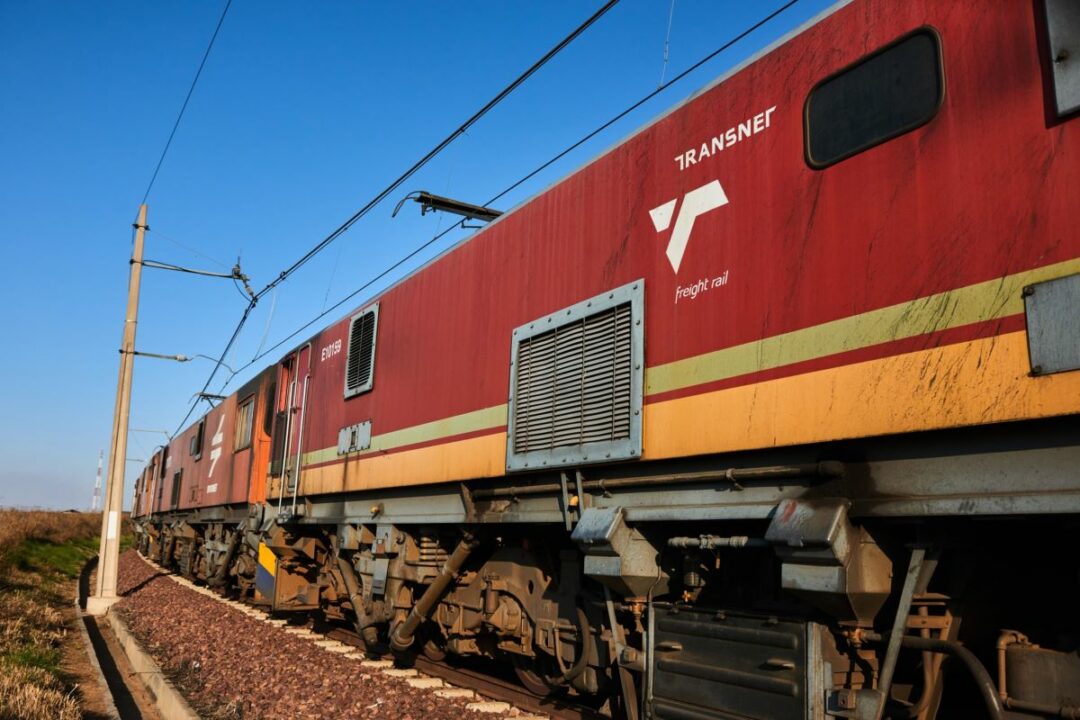
Transnet, the state-owned freight and logistics company, has successfully concluded a three-year wage agreement with the United National Transport Union (UNTU), following an extensive period of negotiations that necessitated the intervention of the Commission for Conciliation, Mediation and Arbitration (CCMA). In a statement released on Thursday, Transnet announced that the wage increment would be set at 6% for each of the financial years 2025/2026, 2026/2027, and 2027/2028.
This above-inflation wage agreement is projected to yield a cumulative increase of 18% over the three-year span. The agreement encompasses not only raises in basic salaries but also includes supplementary benefits such as the 13th cheque, pension fund contributions, medical aid subsidies, and housing allowances.
Transnet highlighted that finalising the three-year wage agreement will provide much-needed labour stability, thereby enabling the company to concentrate on its immediate strategic priorities, which include enhancing operational and financial performance while positioning itself for future growth. The agreement is expected to bolster job security and contribute to economic growth.
Expressing satisfaction with the outcome, UNTU general secretary Cobus van Vuuren marked this moment as pivotal following a challenging negotiation process. “The agreement was signed between the parties on Thursday evening, 12 June 2025, following engagements between UNTU and Transnet this week,” Van Vuuren stated. He noted that UNTU is confident that the newly signed agreement aligns with the overwhelming mandate received from union constituencies, which pushed for acceptance of the CCMA’s facilitator’s proposal after a detailed process involving two senior commissioners.
With a membership base of over 26,000 workers at Transnet, UNTU demonstrated the power of collective bargaining, having previously threatened a strike with a 48-hour notice had negotiations reached a deadlock. Van Vuuren reiterated that this agreement not only reflects a significant salary increment but also reinforces job security, one of UNTU’s primary demands throughout discussions. “We also secured back payment for the increased retrospective from 01 April 2025, as our members have made great financial sacrifices during this period,” he explained.
Significantly, the three-year agreement not only assures crucial labour stability but also lays the groundwork for Transnet to rebuild its operations. The pact is expected to restore service reliability and regain stakeholder confidence, with UNTU affirming that this contract supersedes a prior one signed with the minority union, the South African Transport and Allied Workers’ Union (Satawu).
Satawu’s general secretary, Jack Mazibuko, also confirmed that the same wage adjustment had been agreed upon for their union members. He mentioned that Satawu had put forth an alternative formulation for the retrenchment clause, securing a commitment from Transnet to avoid mandatory retrenchments during the duration of the wage agreement. The newly established clause outlines a process for any necessary restructuring that seeks to prioritise job security, including assessments by a multi-disciplinary committee comprising labour representatives to explore alternatives like retirement, redeployment, and reskilling.