


President Donald Trump has directed the United States to withdraw from 66 international organizations, marking one of the most sweeping retreats from multilateral institutions in modern American history. The move, announced on January 7, includes 31 United Nations-affiliated entities and targets bodies focused on climate change, gender equity, peacebuilding, and other global initiatives.
In a presidential memorandum, Trump cited a State Department review identifying these organizations as “wasteful, ineffective, or harmful” and no longer aligned with U.S. national interests. The withdrawals build on previous Trump-era exits from agreements like the Paris Climate Accord, the World Health Organization during the COVID-19 pandemic, UNESCO, and the UN Human Rights Council.
Among the affected UN entities are UN Women, the Peacebuilding Commission, the International Law Commission, and key components of the UN Framework Convention on Climate Change (UNFCCC), including the Intergovernmental Panel on Climate Change (IPCC). The decision makes the U.S. the first country to fully exit the foundational 1992 UNFCCC treaty.
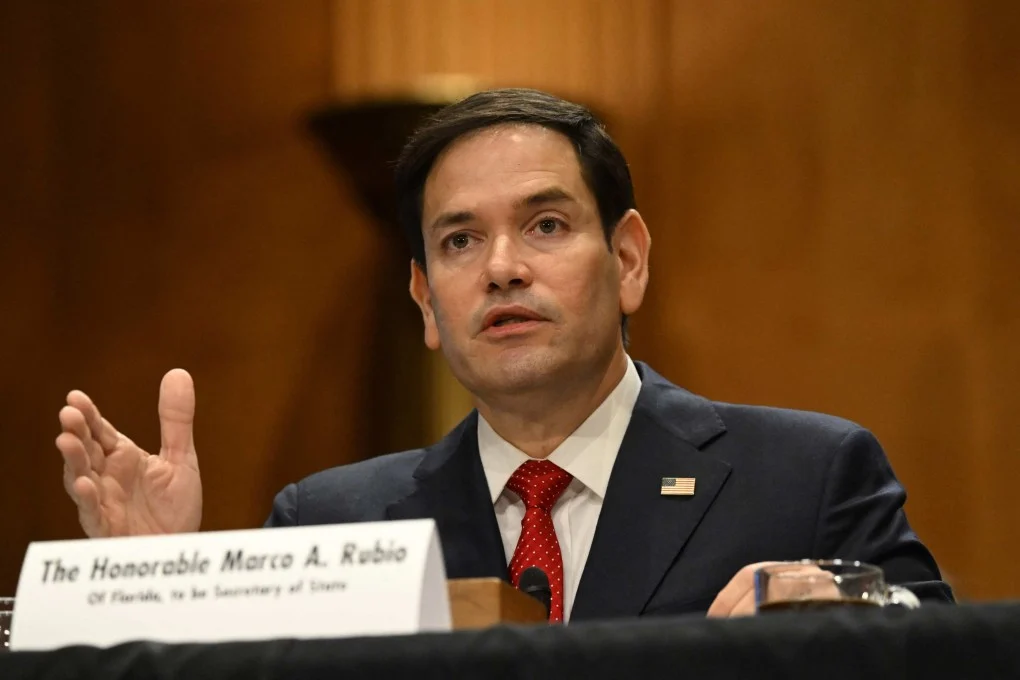
Secretary of State Marco Rubio, in an official statement, defended the action as part of an ongoing effort to eliminate redundancy and mismanagement in global bodies. “The Trump Administration has found these institutions to be redundant in their scope, mismanaged, unnecessary, wasteful, poorly run, captured by the interests of actors advancing their own agendas contrary to our own, or a threat to our sovereignty,” Rubio said.
He further criticized many of the organizations as “dominated by progressive ideologies” and detached from American priorities, specifically pointing to mandates on gender equity, climate policies, and diversity, equity, and inclusion (DEI) initiatives as serving a “globalist project.” “We will not continue expending resources, diplomatic capital, and the legitimizing weight of our participation in institutions that are irrelevant to or in conflict with our interests,” Rubio added.
The White House described the withdrawals as fulfilling an “America First” agenda, emphasizing that U.S. taxpayer funds and diplomatic efforts should prioritize direct national benefits over broad international cooperation.
International reactions have been mixed, with critics labeling the move as isolationist and damaging to global efforts on climate change and peace. Environmental groups and allies expressed concern over the UNFCCC exit, calling it “embarrassing” and a setback for worldwide emissions reduction. The United Nations has yet to issue a formal response but is expected to address the developments soon.
Supporters of the administration praised the decision as a necessary correction to overcommitment in forums seen as inefficient or biased against U.S. interests.
The full list of affected organizations has been published by the State Department and White House, spanning issues from climate and labor to trade and cultural exchanges. Implementation will involve ceasing funding and participation, with some withdrawals taking effect immediately and others following treaty protocols.