


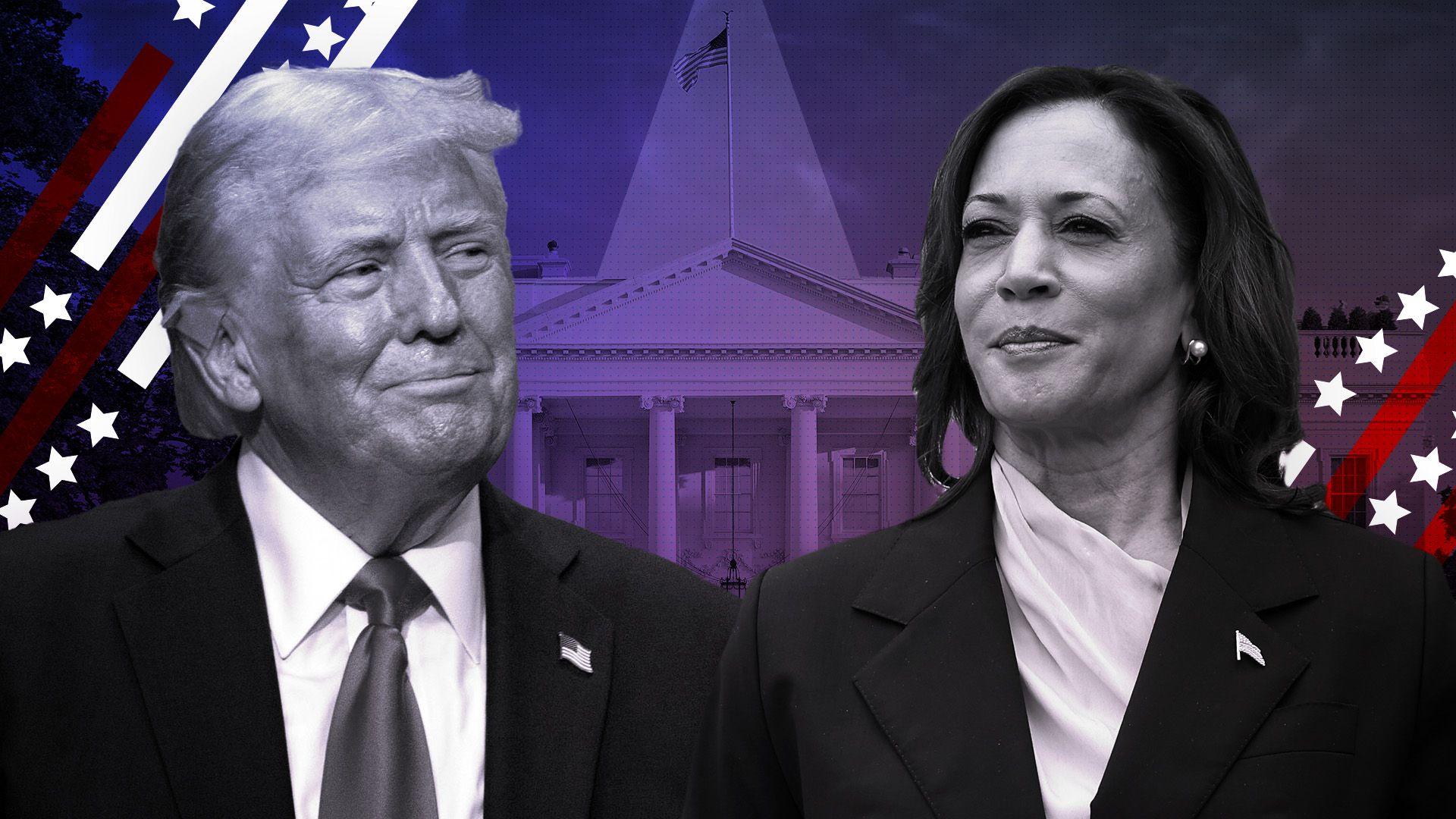
As the United States heads toward a monumental election on 5 November, the rivalry between Democrat Kamala Harris and Republican Donald Trump has intensified, with recent national and swing state polls indicating a dead heat between the two candidates. This unprecedented closeness raises the stakes not only for the candidates but also for voters who will take to the polls in a critical decision that may shape the political landscape for years to come.
The tightening of the polls suggests we are in for a razor-thin race that could hinge on just a few hundred votes in key battleground states—regions that are crucial for securing a victory in the electoral college. Several forecasts indicate that we may witness a recount in multiple locations, depending on how the counting unfolds on election night. Such developments are reminiscent of the tumultuous events following the 2000 presidential election, wherein Florida’s results were scrutinised for weeks.
However, this year’s electoral process may unfold somewhat differently than in previous years. Following substantial changes in voting administration since the 2020 election cycle, voters and analysts alike are bracing for a series of unexpected outcomes. Despite a general expectation of prompt results, the possibilities remain vast; outcomes could be announced as early as election night, the following morning, or even weeks later.
Several states, including all seven critical swing states that are poised to decide the election, have implemented new procedures that could either expedite or delay results. In Michigan, for instance, election officials have streamlined the vote-counting process, positioning the state to deliver its results more quickly compared with earlier elections. On the other hand, with significantly fewer people opting for mail-in ballots this year, the dynamic of vote counting could see a notable shift. The 2020 election was largely defined by mail-in voting due to the pandemic, but this year, as vote-by-mail usage dwindles, the speed of results is expected to change drastically.
Ultimately, the uncertainty surrounding the results this election cycle fuels both excitement and apprehension among proponents on both sides. While some states gear up for speedy counts, others may still grapple with unexpected delays, creating a complex mosaic of electoral responses. Political enthusiasts, pundits, and casual voters alike will be watching intently as ballots are cast and counted, hoping for clarity in a time of unprecedented electoral rivalry.