





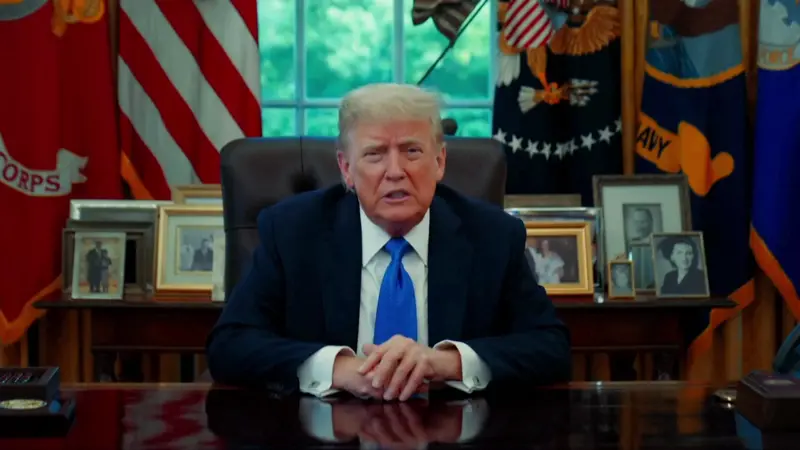
In a significant policy announcement that echoes actions from his first term, President Donald Trump has signed a ban on travel to the United States from 12 countries, including Afghanistan, Haiti, and Iran, citing the need to “protect Americans from dangerous foreign actors”. The travel ban, which follows a string of violent incidents in the US, is set to come into effect on June 9, fulfilling a promise made during Trump’s ongoing 2024 presidential campaign.
The newly enacted restrictions aim to address what Trump labels as “extreme dangers” posed by foreign nationals who lack comprehensive vetting processes. “We don’t want them,” he stated emphatically while addressing the nation via a video posted on his Truth Social platform. His comments come on the heels of a recent attack in Boulder, Colorado, where 12 people were injured during a gathering in support of Israeli hostages, reinforcing his argument regarding the filtering of migrants entering the US.
Details of the ban
Effective from June 9, the travel prohibition will apply to citizens from the following 12 countries:
- Afghanistan
- Myanmar
- Chad
- Congo-Brazzaville
- Equatorial Guinea
- Eritrea
- Haiti
- Iran
- Libya
- Somalia
- Sudan
- Yemen
Additionally, there will be partial travel restrictions for nationals from seven other countries: Burundi, Cuba, Laos, Sierra Leone, Togo, Turkmenistan, and Venezuela.
Exemptions and case-by-case basis exceptions
While the ban is comprehensive, there are specific exemptions; these include athletes travelling to major sporting events, certain Afghan nationals with Special Immigrant Visas, and dual nationals from unaffected countries. Furthermore, the Secretary of State has the authority to grant exemptions on a case-by-case basis, indicating a potential for flexibility within this stringent policy.
Legal challenges anticipated
This latest travel ban is expected to ignite legal challenges similar to those faced during Trump’s previous attempts to establish travel restrictions on predominantly Muslim countries in 2017. Critics argue that such measures are discriminatory and contravene foundational American values. Legal experts believe that challenges will arise swiftly as civil rights organisations mobilise against the administration’s latest policy adjustments.
As the debate continues, Trump maintains that the United States cannot sustain “open migration from any country where we cannot safely and reliably vet and screen those who seek to enter”. The president has indicated that the list of countries under the ban may be subject to revision depending on improvements in vetting capabilities and overall security threats.


