


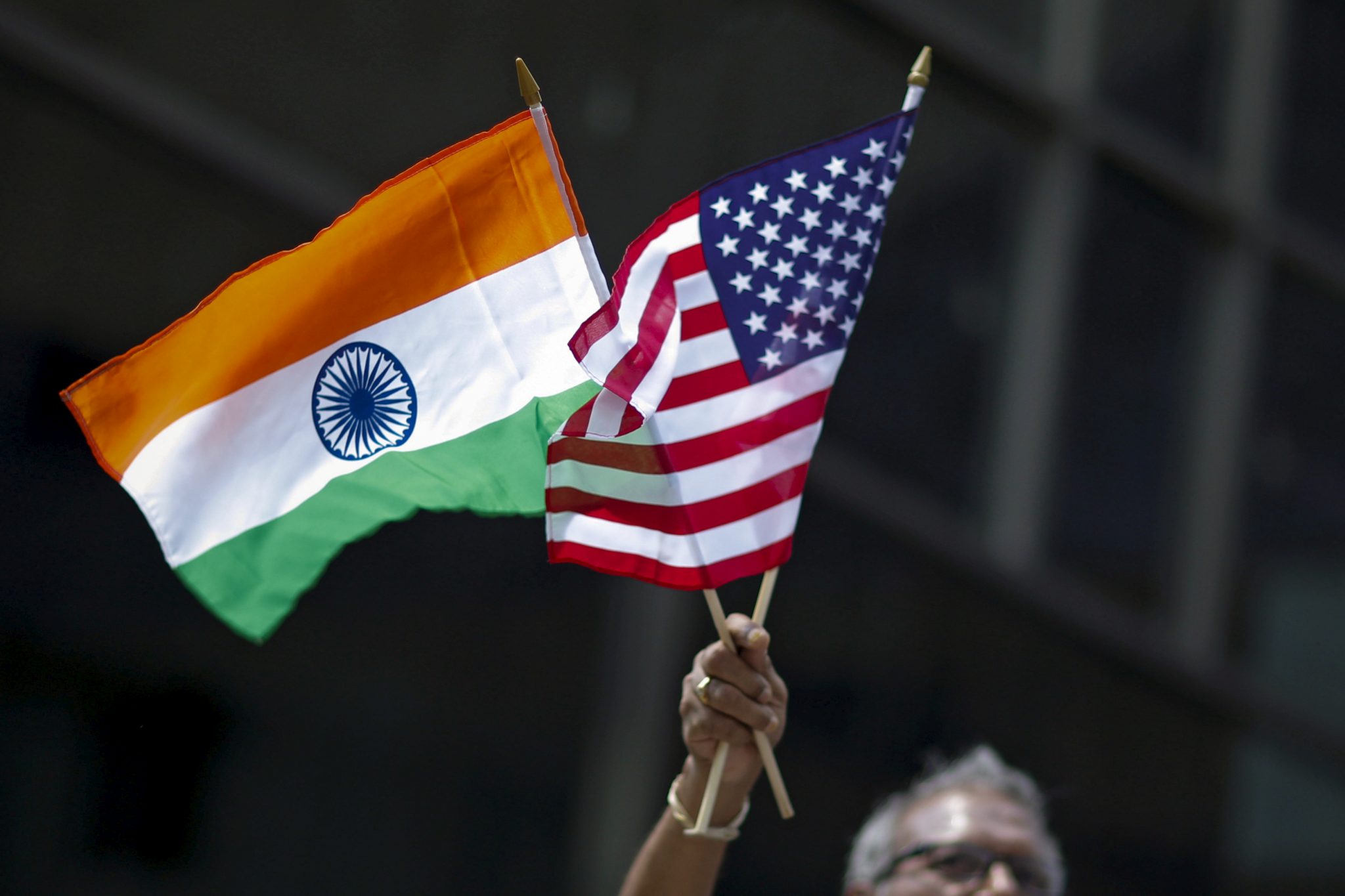
US President Donald Trump has imposed 50% tariffs on the majority of US imports from India, delivering a stark warning over the country’s continued purchases of discounted Russian oil. This aggressive move, taking effect just after midnight on Wednesday in Washington, has the potential to inflict severe damage on the Indian economy and disrupt global supply chains, raising alarm bells in both nations.Earlier this month, 25% tariffs had already been instituted on Indian goods, but Trump’s decision to double these levies signals a hardening of his administration’s stance towards one of the world’s largest economies. The president has openly linked India’s oil transactions with Russia to the ongoing war in Ukraine, arguing that such purchases indirectly fund the conflict. As tensions rise, the timing of this announcement has left many analysts questioning the longevity of US-India relations.Indian policymakers have voiced strong objections, claiming their country has been unfairly targeted for its trade dealings with Russia while pointing out that Europe maintains a far greater trade volume with Moscow. In a defiant response to the tariffs, Prime Minister Narendra Modi encouraged citizens to support local industries, urging them to buy ‘Made in India’ products.
“Pressure on us may increase, but we will bear it,” he declared, highlighting the resilience of the nation’s economic strategy.The stakes are significant, with Indian goods exports to the US totaling $87.3 billion last year. For the time being, certain products such as smartphones will escape the tariffs, but many sectors, particularly textiles, gems, jewellery, and seafood, are now facing daunting challenges ahead. Goldman Sachs’ chief India economist, Santanu Sengupta, warned that if tariffs remain at 50%, India’s GDP growth could slip below 6%, jeopardising both economic stability and livelihoods.As Indian exporters brace for the worst, the consequences of these tariffs are becoming evident. The Federation of Indian Export Organisations (FIEO) reported a halt in production for textile and apparel manufacturers in key regions like Tirupur and Surat. “Indian goods have been rendered uncompetitive compared to competitors from China, Vietnam, and other South Asian nations,” FIEO president SC Ralhan noted, exacerbating the challenges faced by businesses reliant on the US market.The impact reverberated through the Indian stock market, with the benchmark BSE Sensex plunging 1%, or 849 points, just ahead of the tariff implementation. With nearly 30% of India’s exports to the US remaining duty-free, vital sectors still have some buffer, but the threat looms large over others.Despite these rising tensions, there’s a palpable sense of mistrust permeating US-India relations. Officials are wary that Trump’s administration may undermine years of progress in establishing a robust strategic partnership.
“Trump has blown it,” an anonymous senior Indian trade official stated, emphasising that rebuilding trust will take time, especially in the current political environment.S. Jaishankar, India’s external affairs minister, has been vocal about the “unjustified” nature of US demands on India’s oil purchases, framing it as a matter of sovereignty and autonomy. While New Delhi has shown a willingness to engage in trade talks, trust issues complicate the path to any substantial agreements.Looking beyond the immediate economic implications, analysts warn that these tariffs could alter the geopolitical landscape. As India strengthens ties with Russia, often termed its “all-weather friend”, the prospect of greater engagement with both Moscow and Beijing could result in a recalibration of its relationships, particularly with the US.Ultimately, if the tariffs persist and diplomatic conversations fail to yield results, the future of US-India relations could remain perilously uncertain.