


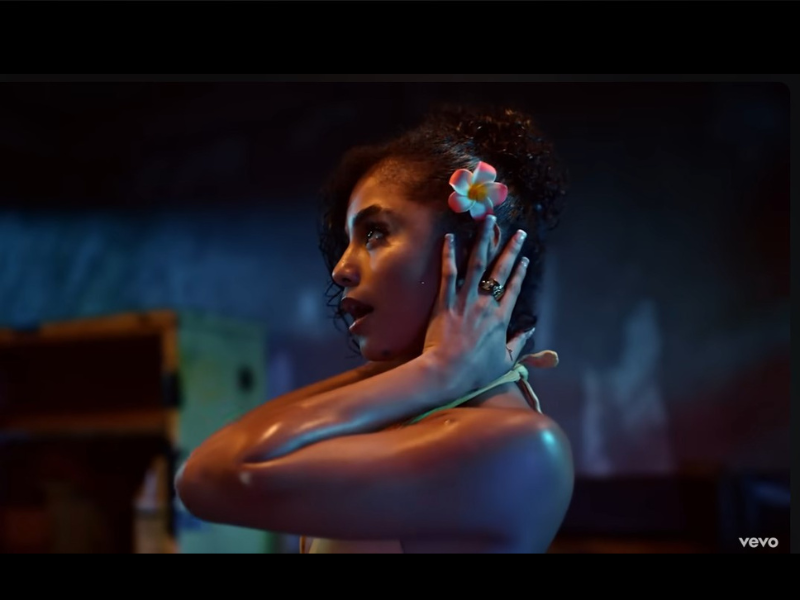
South African singer Tyla is facing legal action from two California-based songwriters, Olmo Zucca and Jackson LoMastro, who have accused her and producer Sammy SoSo, whose real name is Samuel Awuku, of denying them proper credits and royalties for their contributions to her acclaimed hit, Water. The lawsuit, filed on 25 July, 2025, also targets Sony Music Entertainment, squarely placing the spotlight on the often-contentious world of song royalties and credits.
The song Water, which has surpassed 1.1 billion streams on Spotify and garnered over 330 million views on YouTube, has become a significant cultural phenomenon, even winning the inaugural Grammy for Best African Music Performance. However, the commercial success of the track is now entangled in a web of legal disputes as Zucca and LoMastro assert that they have been unlawfully stripped of the recognition they deserve as top-line producers.
The duo’s allegations suggest that Awuku has attempted to assert exclusive ownership and credit over the production of Water, thereby depriving Zucca and LoMastro of their rightful place as co-composers and co-authors. In the lawsuit, they argue that this lack of recognition has not only harmed their reputations but has also adversely affected their careers and opportunities within the competitive music landscape.
The plaintiffs assert that their contributions were significant during the recording sessions held in March 2023, stating that all four producers involved—including accompany producer Rayan El-Hussein Goufar—made equal contributions. As detailed in the legal filing, Zucca and LoMastro produced various audio files crucial to the song’s final master recording, files which were later transferred to Awuku’s computer. They insist that this should warrant equitable sharing of credits and royalties amongst all involved producers.
“Because all four producers contributed equally to the production of the song, each should be receiving full top-line producer credit and an equal percentage of royalties,” the filing states emphatically, indicating that the matter extends beyond mere financial compensation; it’s about fairness in the crediting system that governs the music industry.
In a prior attempt to settle the disputes amicably, Zucca and LoMastro lodged similar claims earlier in March but dropped their case on 24 July before refiling a more robust version just a day later. Their renewed legal action appears to come after months of unsuccessful negotiations with Awuku, which they claim resulted in his adamant refusal to share credit or compensation adequately.
As the case unfolds, the plaintiffs are seeking a court declaration affirming their status as top-line producers and demanding both prospective and retroactive royalties, including a 12.5% share of the publishing royalties from the song. With the stakes high and the implications for artistic collaboration hanging in the balance, this legal battle not only sheds light on the intricate dynamics of songwriting credits but also raises broader questions about the protection of creative rights in the music industry.