


Venezuela’s interim government announced Friday it has begun exploratory diplomatic discussions with United States officials in Caracas, marking the latest development in rapidly evolving relations following the U.S. military operation that captured former President Nicolás Maduro on January 3.
The talks, described by Venezuelan Foreign Minister Yvan Gil as an “exploratory diplomatic process,” aim to re-establish diplomatic missions in both countries after relations were severed in 2019. A U.S. delegation, including senior diplomat John McNamara, arrived in the capital to assess the potential phased reopening of the American embassy. Venezuela plans to reciprocate by sending a delegation to Washington.
Interim President Delcy Rodríguez, who was sworn in shortly after the raid and has condemned the U.S. action as an “illegal attack” and “kidnapping,” emphasized that Venezuela remains “not subordinate or subjugated” but is pursuing cooperation through diplomatic channels. Rodríguez has vowed to confront the situation while seeking Maduro’s release.
The January 3 operation, codenamed Operation Absolute Resolve, involved airstrikes to neutralize air defenses followed by a special forces raid on Maduro’s compound in Caracas. Maduro and his wife, Cilia Flores, were extracted, transferred to a U.S. warship, and flown to New York, where they pleaded not guilty to federal charges including narco-terrorism, cocaine importation conspiracy, and weapons offenses. Venezuelan officials report around 100 deaths from the raid, including military personnel and civilians.
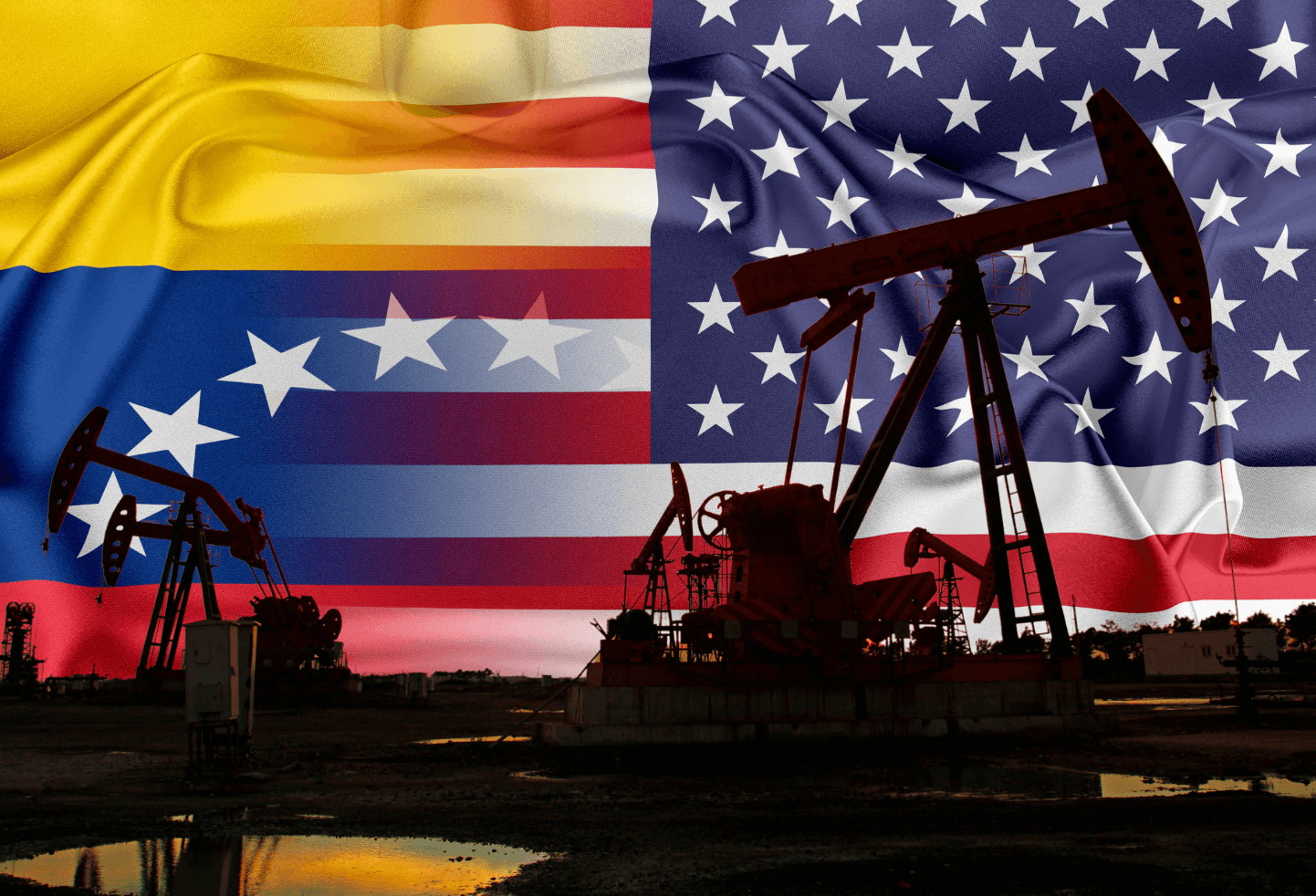
In Washington, President Donald Trump met Friday with executives from major oil companies, including ExxonMobil, Chevron, and others, urging them to commit up to $100 billion in investments to rebuild Venezuela’s dilapidated oil infrastructure — the world’s largest proven reserves. Trump described the post-Maduro environment as offering “total security” under U.S. oversight, with companies dealing directly with Washington rather than Caracas. He also announced plans for the U.S. to sell 30–50 million barrels of seized Venezuelan crude, with proceeds directed toward U.S.-made purchases for Venezuela.
Oil executives responded cautiously. ExxonMobil CEO Darren Woods called the country “uninvestable” without sweeping legal reforms, durable investment protections, and changes to hydrocarbon laws. While acknowledging the potential opportunity, leaders stressed the need for significant structural changes before committing major funds.
The U.S. has intensified maritime pressure, seizing a fifth oil tanker linked to Venezuelan crude in the Caribbean on Friday as part of ongoing efforts to control sanctioned shipments. PDVSA, Venezuela’s state oil company, described one recent return of a vessel as a “successful joint operation” with Washington.
Amid these developments, Venezuela has begun releasing some political prisoners — a move the U.S. has claimed credit for — with anxious relatives gathering outside jails. Daily protests continue in Caracas, with demonstrators demanding Maduro’s return and condemning U.S. influence, including the loss of life during the raid.
Trump has indicated plans to meet with Venezuelan opposition figure María Corina Machado next week and has called off further planned attacks, citing emerging cooperation. The situation remains highly fluid, with international criticism of the intervention as a violation of sovereignty, while some regional voices express cautious optimism about potential economic recovery.
This marks a dramatic shift in U.S.-Venezuela dynamics, blending military action, diplomatic outreach, and aggressive economic maneuvering centered on the country’s vast oil resources.