


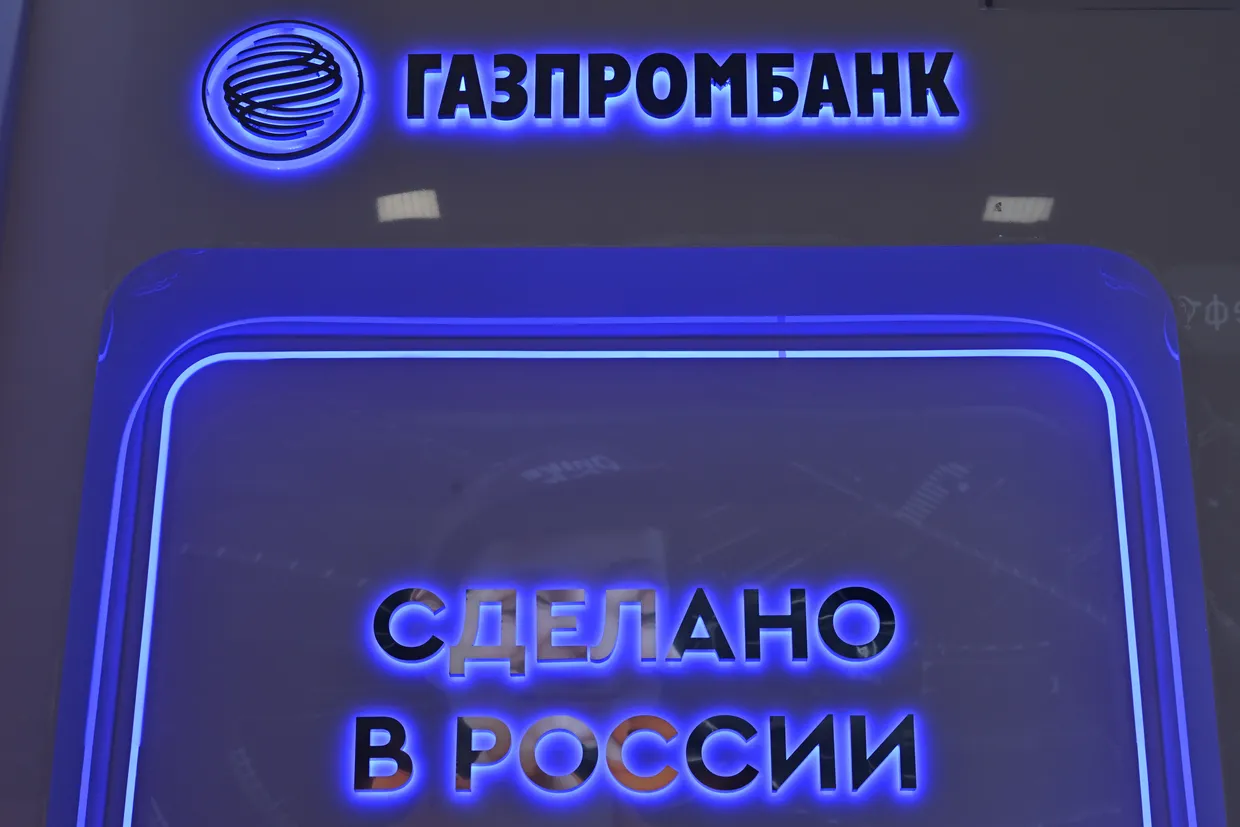
In a decisive move reflecting its escalating efforts to cripple Russia’s military funding, the U.S. Treasury Department has imposed sweeping sanctions on an array of Russian banks, including Gazprombank, along with various financial officials and securities registrars. The announcement, made on November 21, signals a dramatic shift in U.S. policy regarding the financial institution, which has been pivotal in facilitating energy payments between Russia and Europe.
Until now, the U.S. had avoided imposing strict measures on Gazprombank to enable European countries to procure Russian gas supplies. By acting against what was previously the largest non-designated bank in Russia, U.S. Treasury Secretary Janet Yellen has signalled a hardening of Washington’s stance against the Kremlin.
“Today’s sanctions targeting Russia’s largest remaining non-designated bank, as well as dozens of other financial institutions and officials in Russia, will further diminish and degrade Russia’s war machine,” Yellen emphasised during a briefing. This move is intended to close one of the last remaining avenues for Russia to engage with the international banking system, as Gazprombank has been implicated in financing military actions, purchasing equipment, and compensating families of soldiers killed in Ukraine.
Prior to these sanctions, Gazprombank had managed to serve as a critical channel through which European nations could continue their gas transactions with Russia, allowing the Kremlin to maintain a flow of revenue even amidst widespread global condemnation of its invasion of Ukraine. The Financial Times reported that the Kremlin has utilized Gazprombank’s services to ensure crucial military expenditures, enhancing its capacity to support troops on the ground.
In total, the U.S. Treasury’s Office of Foreign Assets Control (OFAC) sanctioned over 50 Russian banks, more than 40 securities registrars, and 15 financial officials in this latest round of measures. These actions are aimed at tightening the screws on Russia’s finances and making it increasingly difficult for the country to evade existing sanctions designed to stymie its military efforts.
Additionally, OFAC issued a critical alert highlighting potential risks associated with Russia’s financial messaging system. This system has been reportedly employed by the Kremlin to bypass current restrictions and could serve as another front in the ongoing economic warfare between the West and Russia.