


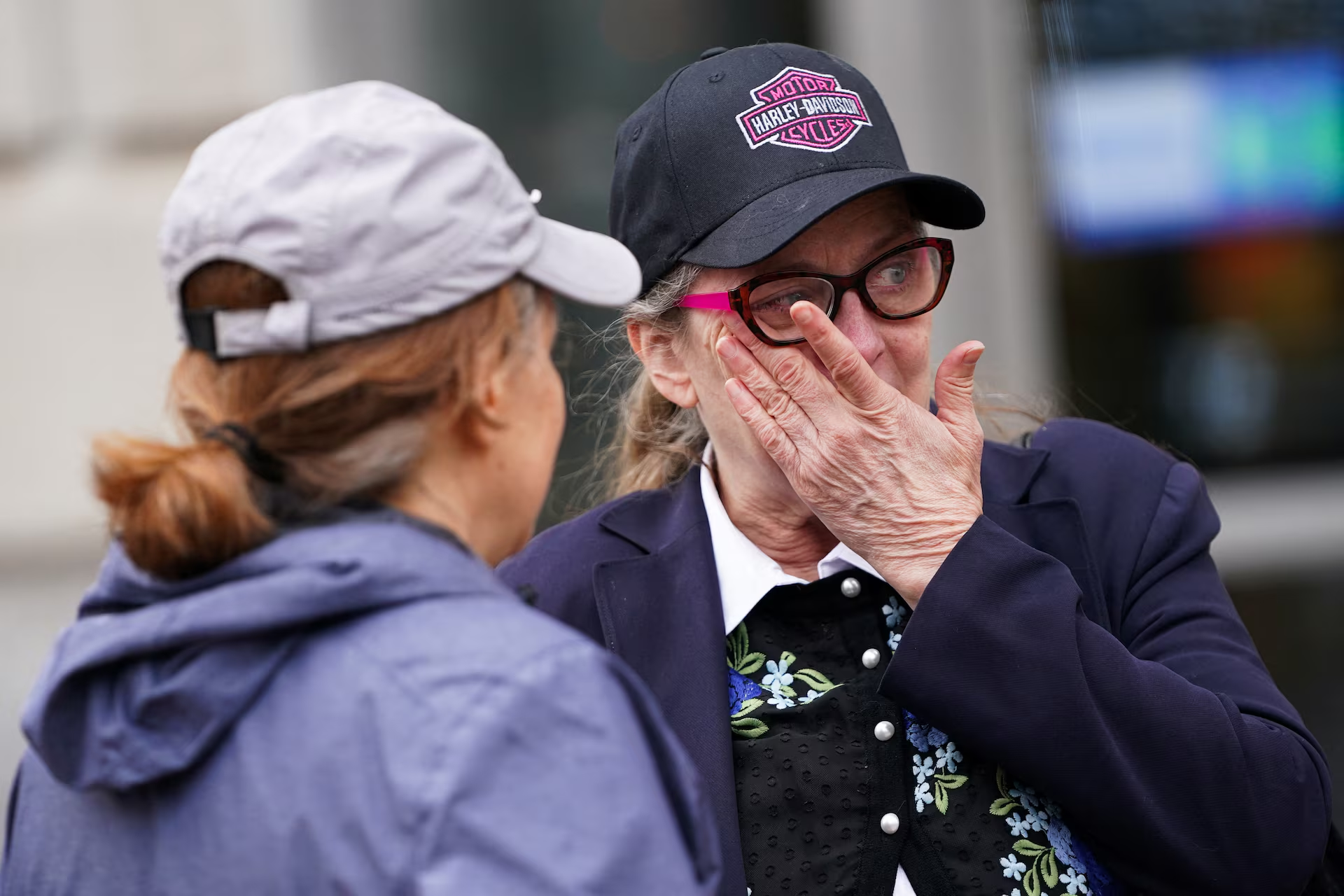
The Trump administration has ordered the slashing of over 90% of aid contracts from the U.S. Agency for International Development (USAID). Following a brief re-entry to their downtown Washington headquarters on Thursday, USAID staff members were met with applause from a gathering of supportive colleagues and members of the public as they left, boxes in hand, to the sound of cheers amidst a cold drizzle.
President Donald Trump had imposed a 90-day pause on all foreign aid in January to conduct an extensive review to align projects with his “America First” policy, initiating a shockwave across the humanitarian sector. Thousands of USAID staff members were placed on leave, many of whom may never return to their posts, a change unprecedented in scope, given the agency’s vital role in delivering food, medical aid, and support to vulnerable populations worldwide.
Mixed emotions filled the air as terminated employees like Angela Stephens, a communications officer at USAID since 2008, voiced their fears and lost hopes for the future, stating, “There is always change when a new administration comes in. What we didn’t expect was the entire dissolution of our agency.”
Additionally, the abrupt policy changes came with significant cuts to historically critical healthcare programs. Thousands of organisations in South Africa reliant on Pepfar funding have received termination notices, stating that continuance is “not aligned with Agency priorities” and is deemed “not in the national interest.” This includes the termination of programs combating HIV/AIDS, which have previously provided life-saving treatment to millions.
The U.S. State Department has cut 92% of multi-year awards from USAID, amounting to $54 billion in funding, and has also reduced State Department-related grants by nearly 30%. These drastic measures could amplify already dire health crises on the African continent, where countries like South Africa have benefitted from funded initiatives in battling HIV and tuberculosis.
Healthcare experts in South Africa have expressed their alarm at the sudden withdrawal of support. Reflecting the despair felt across the nonprofit and medical communities, Yvette Raphael of Advocacy for Prevention of HIV and Aids stated, “The Trump administration has declared war on the right to health globally,” demanding an accelerated governmental response to safeguard healthcare for its citizens.
Furthermore, organisations dedicated to disease prevention and management, such as the Anova Health Institute and the Wits Reproductive Health Institute, confirmed the impacts of funding cuts, interrupting vital services that have taken years to establish. Responses from health activists underline a call for urgent action as they worry the disruptions are a grim omen for the populations that rely on these services.
As the dust settles around this monumental shift, the question remains—who will fill the void left by the U.S. in global aid? Many fear that this will create a power vacuum that countries like China and Russia may exploit, threatening global stability and humanitarian integrity.