


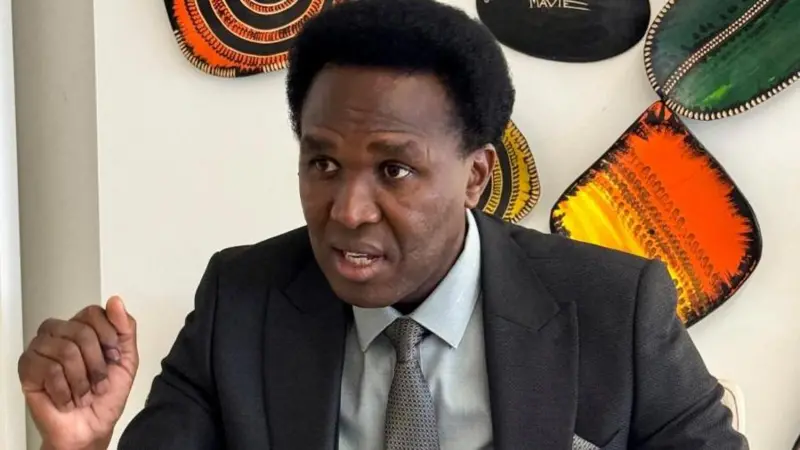
In a dramatic turn of events in Mozambique, Venâncio Mondlane, the leader of the country’s main opposition party, has announced his intentions to self-inaugurate as president on 15 January. This bold move comes as he openly rejects the existing political framework and recent electoral processes which he claims have undermined democracy in the nation.
Mondlane, who has voiced his concerns about electoral integrity and governance in Mozambique, stated, “The time has come for us to take control of our destiny as a nation. The current leadership has failed its citizens, and we can no longer wait for a system that perpetuates injustice.” His declaration has sparked widespread discussion, reflecting the growing discontent among many Mozambicans who feel disenfranchised by their government.
The opposition leader’s decision to declare himself president arrives amidst a backdrop of political uncertainty and unrest, following a series of contested elections that have seen claims of voter suppression and manipulation. Critics of the government argue that such actions have been detrimental to the democratic process, intensifying calls for reform and accountability.
The ramifications of Mondlane’s declaration are yet to be fully understood, but analysts predict that it could lead to significant political turmoil, exacerbating tensions between the opposition and the ruling party. “This is a bold gamble by Mondlane. Depending on how the government reacts, it could either galvanise his supporters or provoke a crackdown,” noted a political analyst based in Maputo.
Reactions from the ruling party are yet to be communicated, but there are increasing fears among political observers that Mondlane’s move might lead to civil unrest as supporters rally to back their new president and question the legitimacy of the current administration.