



Despite severe overcrowding and infrastructure challenges, the principal of one of Gauteng’s top-performing schools says a relentless work ethic and a clear vision have driven sustained academic success.
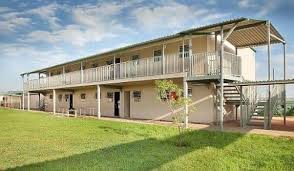
Rivalani Makhubele leads Kalfontein Secondary School, which currently accommodates more than 2,300 learners in mobile container classrooms originally intended as a temporary solution. The school was designed for just 1,100 learners, but demand continues to rise.
“The waiting list grows constantly. Even when a learner leaves, the space is immediately filled,” Makhubele said.
Speaking to Newsnote after Kalfontein achieved a 96% pass rate in the 2025 matric examinations — results announced on Tuesday by the Gauteng provincial government — Makhubele said the school made a conscious decision not to allow difficult circumstances to dictate its performance.
“Our slogan is Excellence Against All Odds. When we plan for the academic year, we deliberately put challenges aside and focus entirely on performance,” he said.
Makhubele explained that overcrowding significantly reduces effective teaching and learning time, prompting the school to introduce additional instructional hours beyond those allocated by the education department.
“Although the department allocates 27.5 teaching hours per week, we felt that was insufficient,” he said. “We introduced extra teaching time in the mornings, afternoons and on Saturdays as part of our School Improvement Plan.”
Classes run from 7am to 4pm, with Saturday sessions dedicated to difficult content. The school also introduced Sunday revision classes and overnight study sessions for learners who fall behind. These interventions apply across all subjects.
According to Makhubele, the school’s success is the result of collective effort.
“Everyone plays a role — from teachers to kitchen staff. Our action plan allows us to complete the syllabus by June, revise it a second time, and give extra attention to struggling learners,” he said.
Learners also work through question papers from the past five years in every subject. The school’s Red October programme identifies pupils not yet ready for final examinations and provides intensive revision support.
“These strategies have yielded strong results, including learners who were initially not promoted but later achieved diploma and bachelor passes,” said Makhubele.
When he took over three years ago, the school’s pass rate hovered just above 50%. It rose to over 90% in his first year as principal and has remained above that mark ever since.