


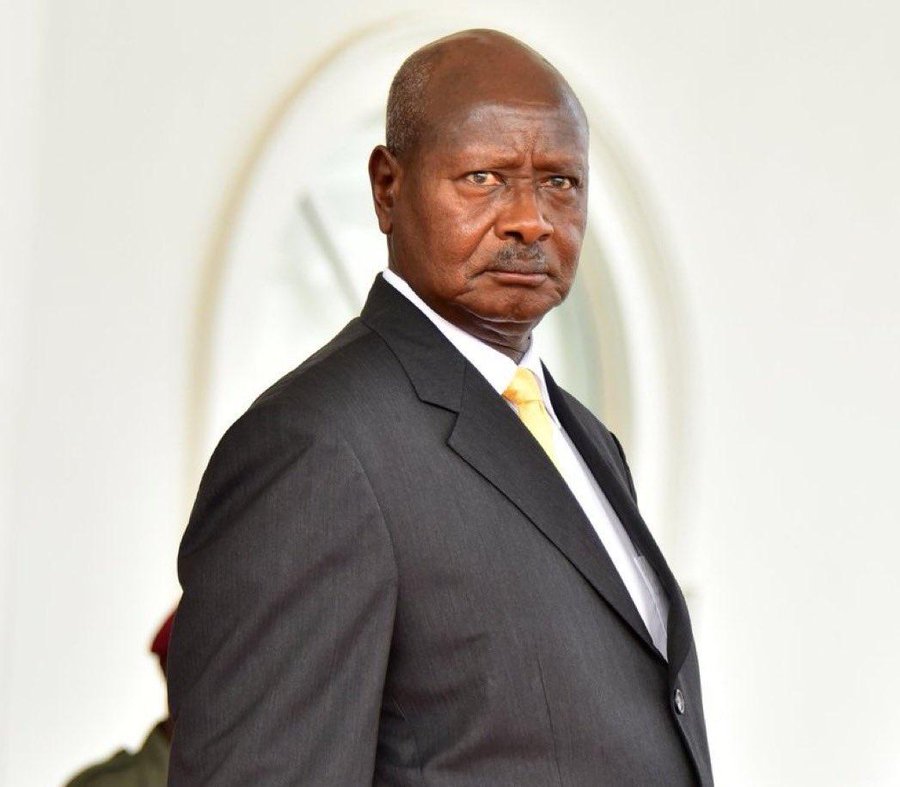
Uganda’s Electoral Commission officially declared President Yoweri Museveni the winner of the January 15, 2026, presidential election on January 17, securing his seventh term and extending his rule since 1986 to over four decades.
According to the commission’s announcement, Museveni of the National Resistance Movement (NRM) received 71.65% of the votes, totaling approximately 7.94 million to 7.95 million votes (figures cited as 7,944,772 in some reports). His main rival, opposition leader and musician Bobi Wine (real name Robert Kyagulanyi) of the National Unity Platform, garnered 24.72%, or about 2.74 million votes (around 2,741,238). Turnout stood at roughly 52.5%, with other candidates receiving far smaller shares.
The election unfolded amid significant controversy and restrictions. Authorities imposed a nationwide internet shutdown starting around January 13 to curb what they described as potential misinformation, with connectivity restored only after results were declared. Pre-election reports highlighted arrests, intimidation, violence (including deaths during related protests), and disruptions such as malfunctioning biometric voter verification kits in opposition strongholds.
Bobi Wine swiftly rejected the official results as “fake” and a “fiction,” alleging widespread irregularities including ballot stuffing, the kidnapping or detention of polling agents and party officials, and other forms of fraud. He called for peaceful protests while going into hiding after reportedly escaping a security forces raid on his home; his wife and others were said to remain under house arrest or detention.
In his victory speech, the 81-year-old Museveni thanked security forces for their role, accused opponents of foreign-funded attempts to bribe or destabilise the country, and remarked that many of his supporters had stayed home despite the strong official margin.
Regional leaders and the African Union extended congratulations to Museveni. International observers and media outlets, including the BBC, Reuters, AP, Al Jazeera, NPR, The Guardian, and The New York Times, described the vote as highly disputed, citing concerns over repression, lack of fairness, and an uneven playing field.
The country remains tense, with attention on possible further protests, opposition legal challenges to the results, and broader questions about political succession in Uganda under Museveni’s long-standing leadership.