


Stakeholders in the sector, including the Independent Electoral Commission (IEC), have begun preparing for the elections following President Cyril Ramaphosa’s announcement that the municipal elections will be held on 4 November 2026.
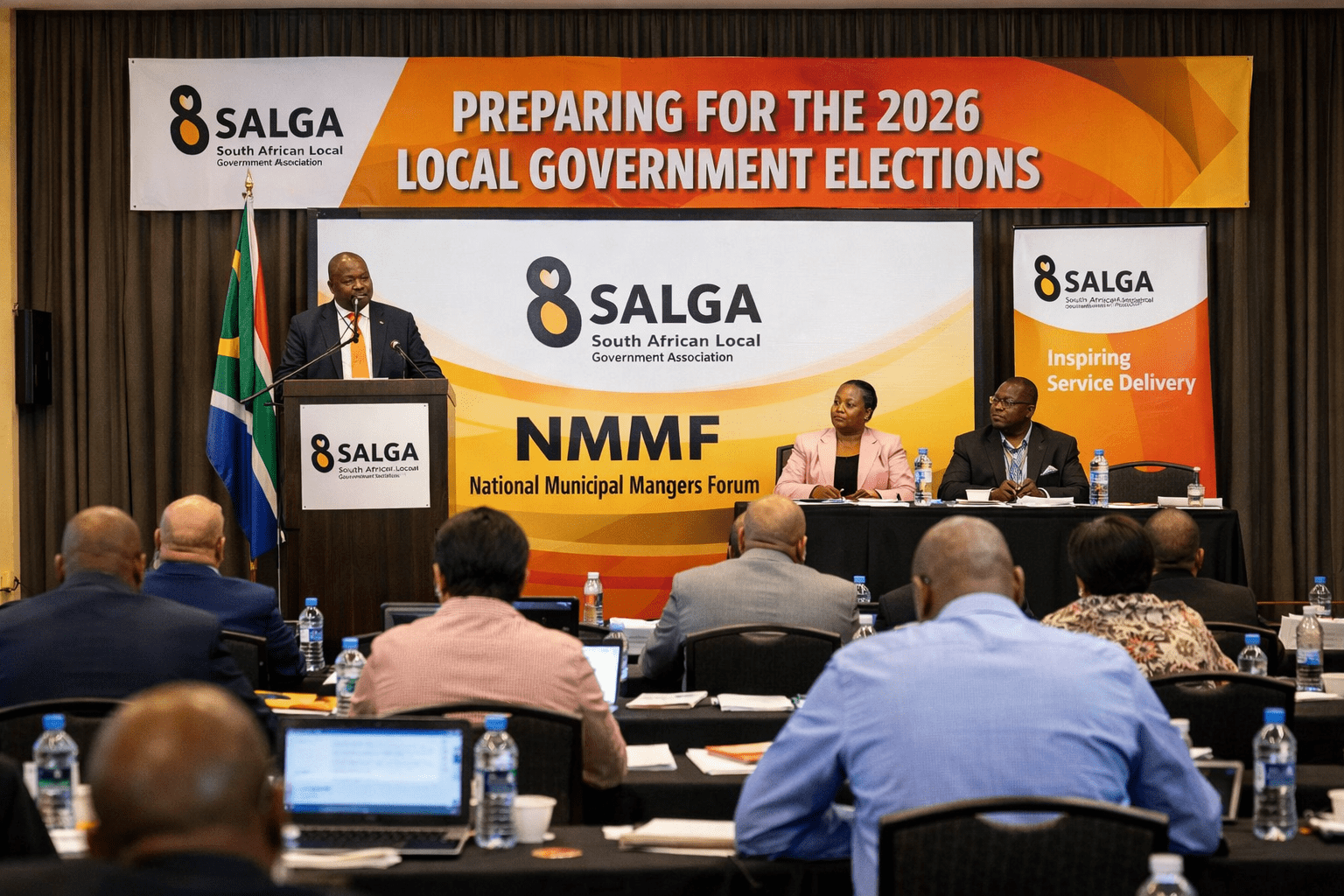
The South African Local Government Association (SALGA) said it has convened the National Municipal Managers Forum (NMMF) in Johannesburg from Wednesday to Thursday, bringing together municipal and city managers from across the country’s 257 municipalities at a pivotal moment in the local government calendar.
Speaking on YOU FM Newshour, SALGA national spokesperson Motalatale Modiba said the forum will focus on strengthening the readiness of municipalities to navigate the pre-election period, the transition phase, and the post-election environment.
“From SALGA’s point of view, it is important that we ensure a smooth transition from the 6th administration to the 7th term of democratic and people-centred local government.
We have been conducting this series of engagements and workshops with stakeholders, including, most importantly, accounting officers within municipalities, as well as municipal and city managers and their senior managers.
These are the people expected to ensure that during this transition period service delivery is not compromised, that municipalities continue to render services, and that while politicians are involved in campaigning, water continues to flow from the taps, electricity remains available, and refuse collection still takes place,” Modiba explained.
Modiba highlighted that the forum will prepare municipal and city managers for the three different phases of the election period, comprising the pre-election, election, and post-election periods.
“During these periods, managers are expected to perform their duties, including participating where required to assist the IEC with election venues such as municipal buildings or infrastructure to ensure the smooth running of the elections, assist in the nomination of candidates for respective parties, and finally during the declaration of the final election results,” said Modiba.
He emphasised that effective transition management is essential to safeguard service delivery, maintain institutional memory, and support newly elected leadership to govern effectively from day one.
“The municipal and city managers are also expected to ensure that measures are in place to allow for inaugural meetings of the new councillors and the election of the new Speaker and Mayor of their respective municipalities.
SALGA will continue to use platforms such as the NMMF to drive innovation, strengthen coordination between political and administrative leadership, and champion a capable, people-centred local government system,” remarked Modiba.
Meanwhile, the previous local government elections in 2021 marked a clear departure from earlier cycles dominated by single-party control, with several municipalities returning no outright majority, resulting in “hung municipalities” and making coalition governments a political necessity.
As the much-anticipated and highly competitive local government elections draw closer, preparations to ensure a smooth and effective transition across the local government sphere have officially commenced.
Stakeholders in the sector, including the Independent Electoral Commission (IEC), have begun preparing for the elections following President Cyril Ramaphosa’s announcement that the municipal elections will be held on 4 November 2026.
The South African Local Government Association (SALGA) said it has convened the National Municipal Managers Forum (NMMF) in Johannesburg from Wednesday to Thursday, bringing together municipal and city managers from across the country’s 257 municipalities at a pivotal moment in the local government calendar.
Speaking on YOU FM Newshour, SALGA national spokesperson Motalatale Modiba said the forum will focus on strengthening the readiness of municipalities to navigate the pre-election period, the transition phase, and the post-election environment.
“From SALGA’s point of view, it is important that we ensure a smooth transition from the 6th administration to the 7th term of democratic and people-centred local government.
We have been conducting this series of engagements and workshops with stakeholders, including, most importantly, accounting officers within municipalities, as well as municipal and city managers and their senior managers.
These are the people expected to ensure that during this transition period service delivery is not compromised, that municipalities continue to render services, and that while politicians are involved in campaigning, water continues to flow from the taps, electricity remains available, and refuse collection still takes place,” Modiba explained.
Modiba highlighted that the forum will prepare municipal and city managers for the three different phases of the election period, comprising the pre-election, election, and post-election periods.
“During these periods, managers are expected to perform their duties, including participating where required to assist the IEC with election venues such as municipal buildings or infrastructure to ensure the smooth running of the elections, assist in the nomination of candidates for respective parties, and finally during the declaration of the final election results,” said Modiba.
He emphasised that effective transition management is essential to safeguard service delivery, maintain institutional memory, and support newly elected leadership to govern effectively from day one.
“The municipal and city managers are also expected to ensure that measures are in place to allow for inaugural meetings of the new councillors and the election of the new Speaker and Mayor of their respective municipalities.
SALGA will continue to use platforms such as the NMMF to drive innovation, strengthen coordination between political and administrative leadership, and champion a capable, people-centred local government system,” remarked Modiba.
Meanwhile, the previous local government elections in 2021 marked a clear departure from earlier cycles dominated by single-party control, with several municipalities returning no outright majority, resulting in “hung municipalities” and making coalition governments a political necessity.

