


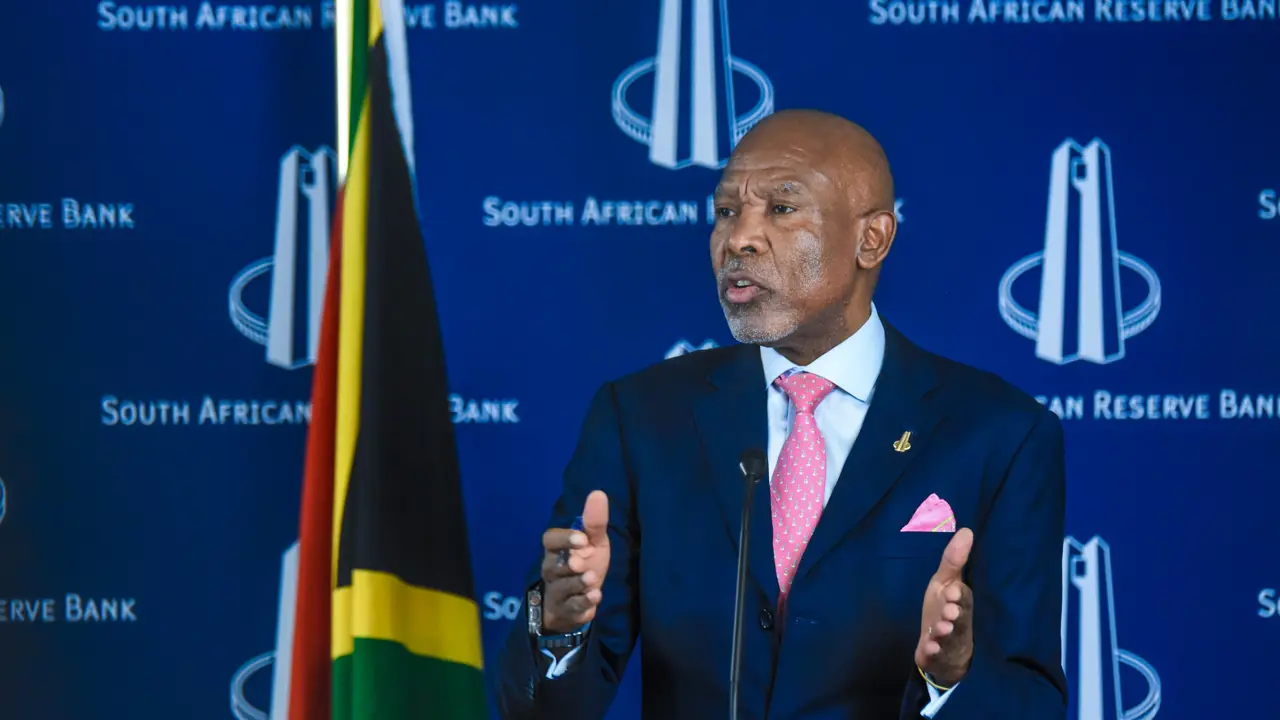
The South African Reserve Bank (SARB) has increased interest rates by 25 basis points, citing rising inflationary pressures driven by global geopolitical tensions and higher fuel costs.
The Monetary Policy Committee (MPC) voted to raise the repo rate to 7.0%, while the prime lending rate increases to 10.50%. Four members of the committee supported the hike, while two voted to keep rates unchanged.
The decision comes amid renewed volatility in global oil markets following escalating conflict in the Middle East, including disruptions linked to the Strait of Hormuz — a critical route through which a significant share of global oil shipments pass.
Fuel prices, which rose by 11% in April, contributed to headline inflation increasing to 4.0%, nearing the upper limit of the SARB’s revised 3% inflation target band.
The central bank now forecasts headline inflation to average 4.4% in 2026 before easing to 3.7% in 2027, with expectations of a return to the 3% target thereafter. However, the outlook remains subject to upside risks, particularly from higher oil prices, which could further increase transport, food, and fertiliser costs.
Despite the rate hike, SARB Governor Lesetja Kganyago said the domestic economy is showing signs of resilience. He pointed to improved trade conditions, structural reforms, and a more positive outlook from ratings agencies as supportive factors, although global conflict continues to weigh on the growth trajectory.