


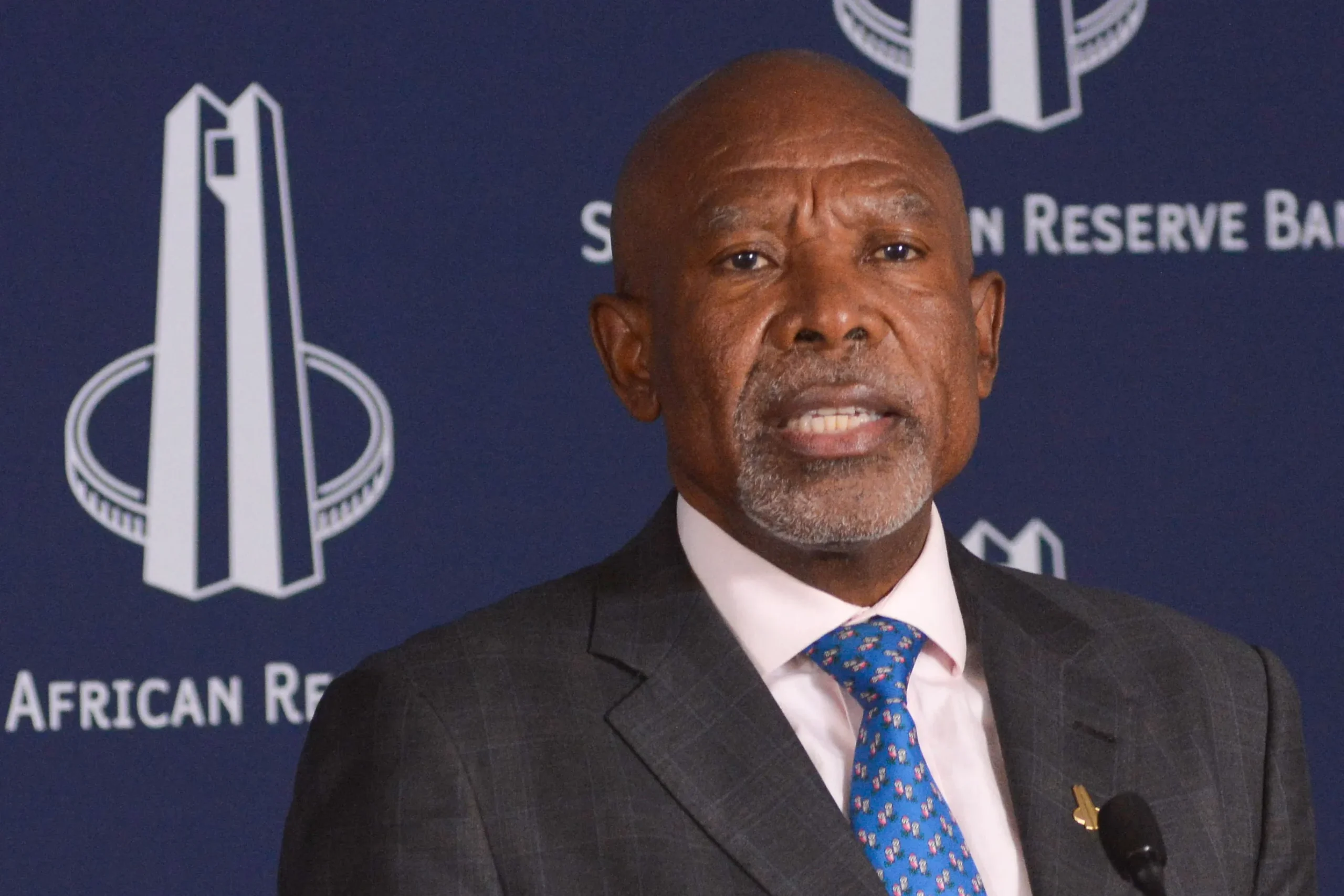
South African households are facing increased financial pressure following a decision by the Reserve Bank to raise interest rates, further tightening already stretched budgets.
The Monetary Policy Committee (MPC), led by Governor Lesetja Kganyago, warned that the local economy is moving into a more challenging phase after earlier signs of recovery.
Higher borrowing costs are expected to reduce disposable income, weigh on household spending, and place additional strain on debt-laden consumers already grappling with rising living expenses.
Kganyago said global uncertainty, weaker demand, and persistent inflation risks are likely to dampen both consumption and investment, which are key drivers of economic growth.
The MPC has also revised its economic growth forecasts downward for the next two years, signalling a slower recovery ahead.
According to the Reserve Bank, all assessed scenarios indicate the likelihood of higher interest rates combined with weaker economic performance.
The bank highlighted external risks, including geopolitical tensions that continue to push up food and fuel prices, as well as the potential impact of severe weather conditions linked to El Niño, which has already contributed to flooding in parts of the country.
Kganyago warned that a renewed global inflation surge may already be emerging, reinforcing the need for tighter monetary policy to prevent price pressures from becoming entrenched.
While acknowledging that monetary policy cannot prevent initial supply shocks, he stressed the importance of long-term inflation control.
The Reserve Bank also cautioned that prolonged instability in global conflict zones could weaken the rand further and increase imported inflation, adding more pressure on households and businesses already under strain.