



Several prominent African football figures have reportedly been denied entry into 2026 FIFA World Cup host countries, raising questions about the impact of immigration and security policies on tournament participation.
The latest case involves Ivory Coast striker Elye Wahi, who was denied a visa to enter Canada ahead of his country’s Group E clash against Germany on Saturday. Reports suggest Canadian authorities rejected his application due to an ongoing investigation into alleged match-fixing in France.
According to The Athletic, Wahi is accused of deliberately receiving a yellow card while playing for Nice against Metz in May, allegedly to profit from betting markets. He has not been charged with any offence.
Ghana midfielder Thomas Partey has also been denied entry into Canada and missed his country’s opening World Cup match in Toronto. Canadian immigration authorities deemed Partey inadmissible while he faces multiple rape and sexual assault charges in the United Kingdom. He has pleaded not guilty and denies the allegations.
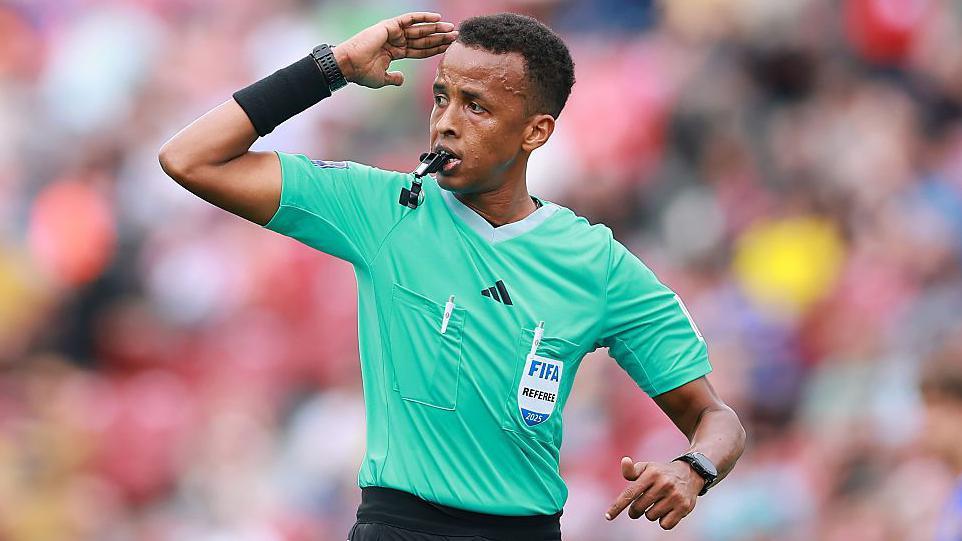
Earlier in the build-up to the tournament, Somali referee Omar Abdulkadir Artan was denied entry into the United States despite being appointed by FIFA as an official for the World Cup. Artan, who would have become the first Somali referee to officiate at a World Cup, was reportedly refused entry over security vetting concerns. U.S. authorities later linked the decision to alleged associations with individuals suspected of ties to terrorist organisations.
FIFA has stated that visa and immigration decisions remain the responsibility of host governments and are outside the governing body’s control.
The incidents have sparked debate over how immigration and security policies are affecting participation in football’s biggest tournament, with players and officials finding themselves sidelined by decisions made away from the pitch.

