


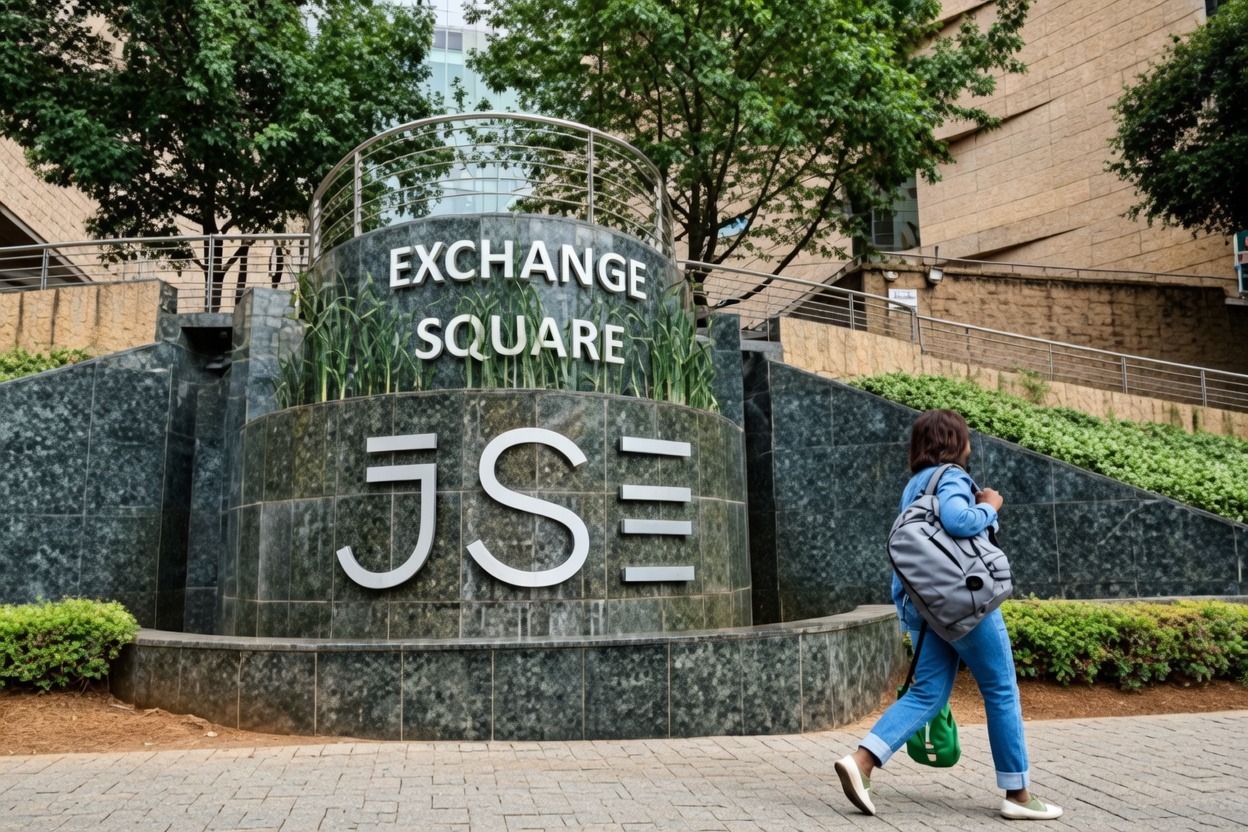
The Johannesburg Stock Exchange (JSE) is increasingly positioning itself not just as a resilient financial market, but as a reform-driven institution seeking to modernise South Africa’s capital markets amid global uncertainty and domestic economic constraints.
While the exchange has acknowledged short-term volatility triggered by geopolitical tensions, its leadership says the bigger story lies in long-term structural transformation aimed at improving market efficiency, attracting listings, and strengthening investor confidence.
JSE executives argue that South Africa’s liquidity makes it highly sensitive to global shocks, but also uniquely positioned to channel capital quickly when conditions stabilise. However, they say this advantage can only be sustained through deep reforms in regulation, infrastructure, and investment facilitation.
Central to this shift is “Operation Phumelela”, a capital markets reform initiative designed to align private sector efforts with broader national economic reforms. The programme aims to streamline listings processes, improve market access, and enhance competitiveness against other emerging market exchanges.
JSE leadership says the initiative reflects a growing recognition that capital markets cannot function optimally without coordinated structural reform across government and industry.
Rather than focusing solely on volatility, the exchange is now framing itself as a driver of economic reform—working alongside policymakers to strengthen South Africa’s appeal as a global investment destination.
Analysts say this marks a shift in narrative: from reacting to global shocks to actively reshaping the conditions under which South African capital markets operate.