


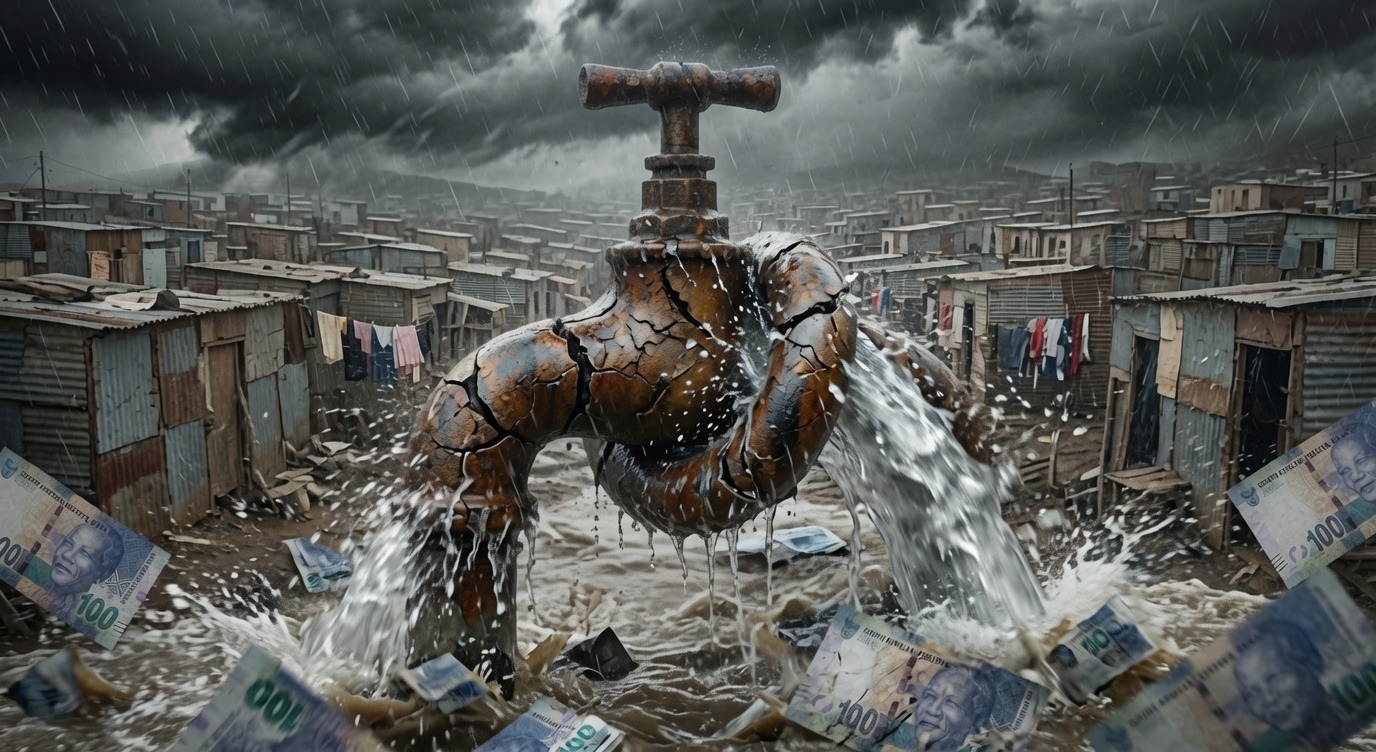
The National Treasury has warned that, if left unchecked, non-compliance by municipalities could lead to the collapse of businesses, including state entities.
The warning follows a decision to withhold funds from 69 municipalities across several provinces for various breaches of regulations.
The Treasury said during a media briefing in Pretoria that among the entities that faced collapse as a result of non-payment by municipalities were two water boards, which have since been paid and are now financially stable.
The affected municipalities have been instructed to take immediate remedial action, including providing documentation to support any claims they make, as well as submitting payment plans for their outstanding debts.
“Whether it’s water boards, Eskom, the Auditor-General, SARS or pension funds, what we are requesting from those municipalities is for them to give us a payment plan that has been signed by both themselves and the creditors. Once they give us that, we’ll release a portion of the money, probably one-third, for them to pay those accounts as agreed with the creditors.
“Once they have done that and provided us with proof, we release the remaining money. Essentially, it means your money could be withheld for only two weeks. It depends on how quickly the municipality acts,” said Ogalaletseng Gaarekwe, Deputy Director-General for Intergovernmental Relations at the National Treasury.
She said municipalities are being compelled to comply in an effort to end a culture of non-compliance, which has led to widespread irregular expenditure, including the adoption of unfunded budgets.
“We’re saying to them, on the accounts that are not disputed, give us a payment plan. The payment plan should be reasonable, to the extent that the debt should be settled within the current financial year. It should not be spread over a number of years.
“We had one province that said it would pay R700 million over seven years, which is unreasonable. We are in the process of writing back to them to say we’ve analysed their response and, in some cases, we believe the payment plans are unreasonable,” she said.
The affected municipalities are:
Eastern Cape: Buffalo City, Nelson Mandela Bay, Makana, Sundays River Valley, Inxuba Yethemba and Port St Johns.
Free State: Mangaung, Letsemeng, Kopanong, Mohokare, Xhariep District Municipality, Masilonyana, Tokologo, Matjhabeng, Nala, Dihlabeng, Nketoana, Maluti-a-Phofung, Phumelela, Mantsopa, Ngwathe and Mafube.
Gauteng: City of Johannesburg, Emfuleni, Lesedi, Sedibeng District Municipality, Merafong City and Rand West City.
KwaZulu-Natal: iMpendle, uMzinyathi District Municipality, Newcastle, eMadlangeni, Amajuba District Municipality, AbaQulusi and uMkhanyakude District Municipality.
Limpopo: Mopani District Municipality, Musina, Thabazimbi, Modimolle-Mookgopong and Fetakgomo Tubatse.
Mpumalanga: Victor Khanye, Emakhazeni and Nkomazi.
Northern Cape: Kamiesberg, Khâi-Ma, Ubuntu, Umsobomvu, Emthanjeni, Renosterberg, Thembelihle, Siyathemba, !Kai !Garib, Magareng and Phokwane.
North West: Madibeng, Kgetlengrivier, Tswaing, Mafikeng, Ditsobotla, Ngaka Modiri Molema District Municipality, Naledi, Mamusa, Dr Ruth Segomotsi Mompati District Municipality, City of Matlosana, Maquassi Hills and JB Marks.
Western Cape: Theewaterskloof, Laingsburg and Beaufort West.
Gaarekwe said the withholding of funds is not expected to affect service delivery.
“I can assure you that by early August we will have released the money for everyone. It depends on how quickly the municipalities finalise and submit their payment plans, allowing us to release a portion of the funds to them.
“Once that portion is released, they must immediately pay the relevant pension fund, creditor or water board. After they have done that, we release the full amount for them to continue operating.
“We’re not expecting this to affect service delivery because, as you know, the majority of local government funding is generated through municipalities’ own revenue,” said Gaarekwe.