


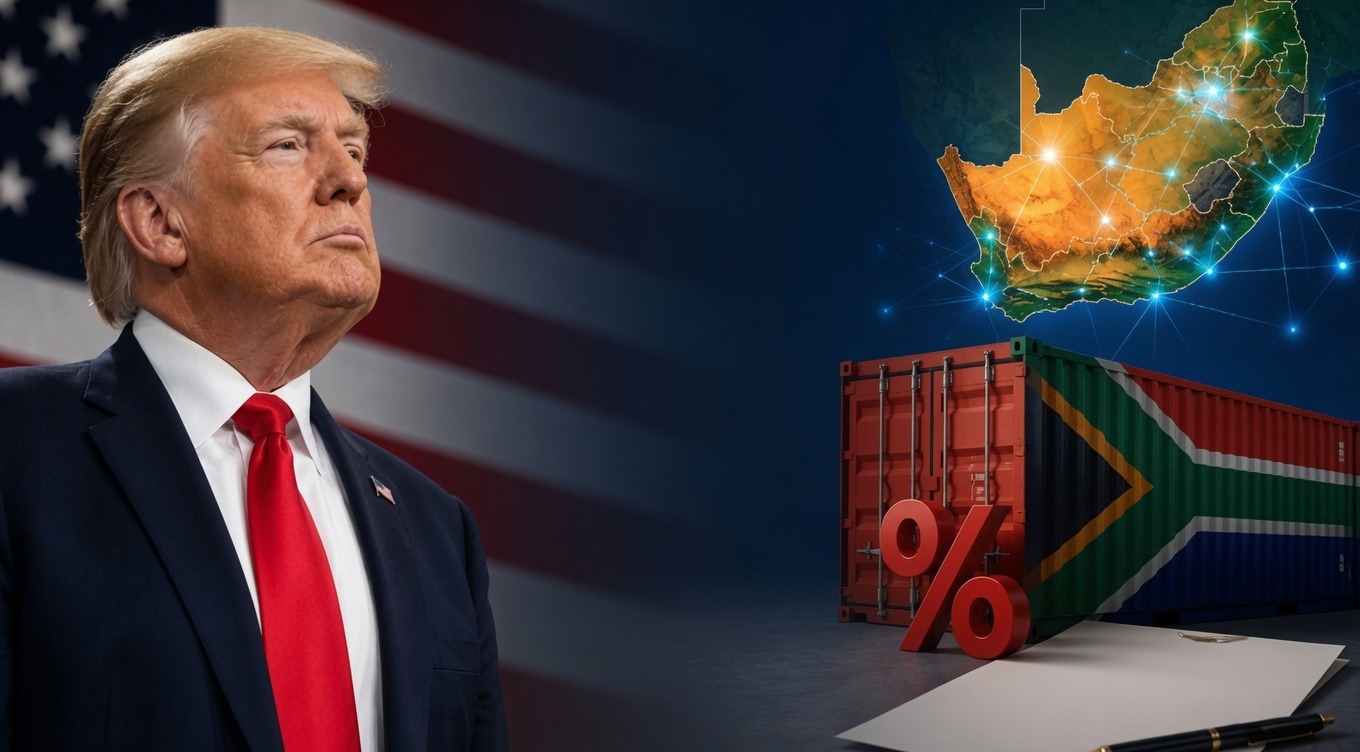
South African exporters are facing renewed uncertainty after the United States introduced a 12.5% tariff on selected goods, raising concerns over the future of trade between the two countries.
The new Section 301 tariffs came into effect on Friday after Washington accused South Africa of failing to do enough to prevent the importation of goods linked to forced labour.
South Africa has rejected the allegations, insisting that the country has strict laws in place to prohibit forced labour and the entry of products made under such conditions.
The tariff decision places South Africa among countries in the highest tariff category, alongside major economies such as China, Japan and South Korea.
The Trump administration said the measures followed months of investigations, public hearings and discussions with governments around the world.
While the tariffs represent a setback for Pretoria’s trade relationship with Washington, the impact on key sectors may be limited, with some major agricultural exports remaining exempt from the additional duties.
South African farmers have welcomed the lower-than-expected tariff rate, after concerns that exports could face a 30% duty under earlier proposals.
Agricultural Business Chamber of South Africa chief economist Wandile Sihlobo said the new rate provides some relief for exporters and keeps South African agricultural products competitive with those from other countries.
“Just a few months ago, we were hit by much higher tariffs in the US. So, to be at these levels that we are in and in line with our competitors is something that I think at least means that SA could still continue to do business fairly well in agricultural products in the US,” Sihlobo said.
However, exporters remain cautious as businesses assess the long-term impact of the tariffs on costs, competitiveness and access to one of South Africa’s most important international markets.